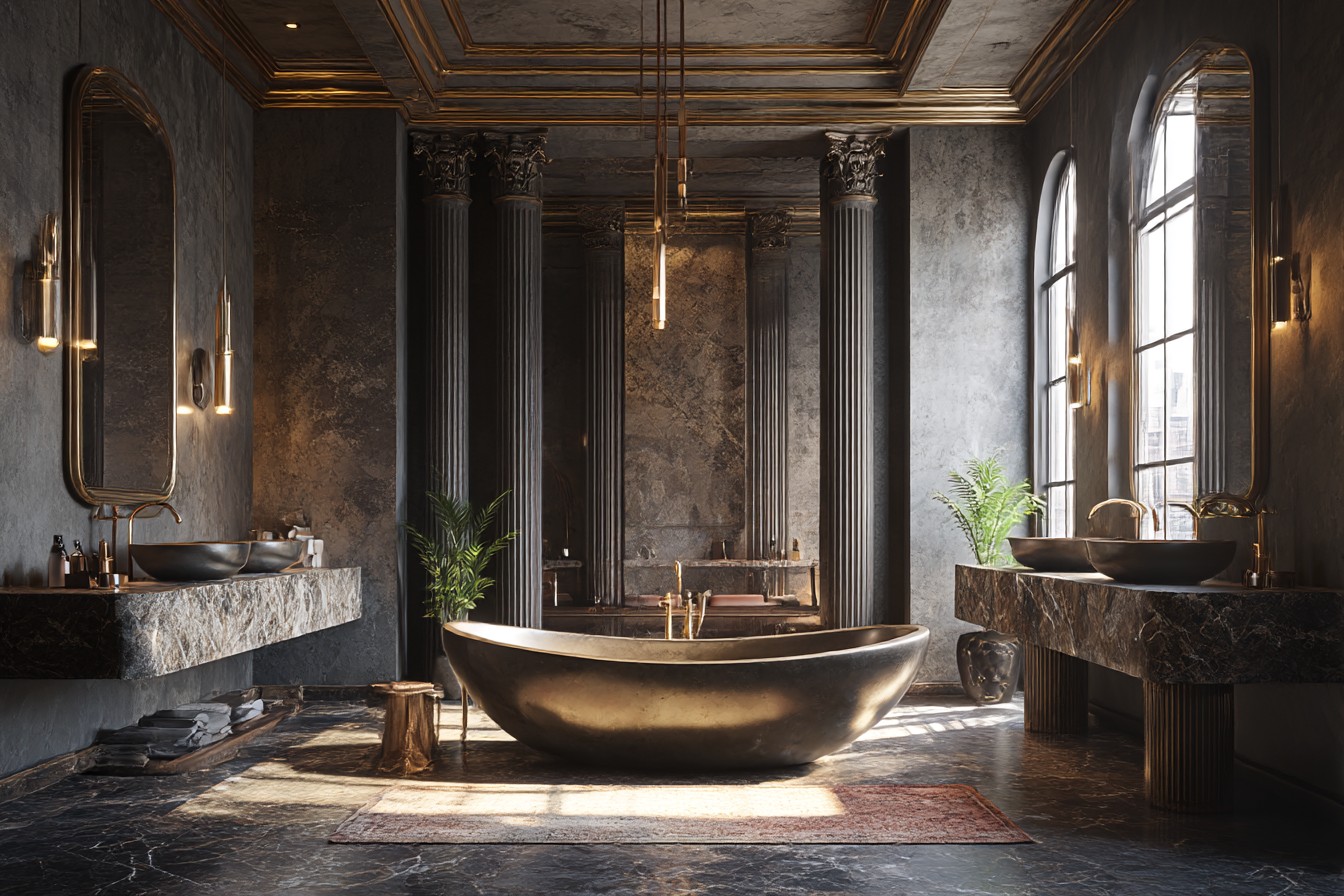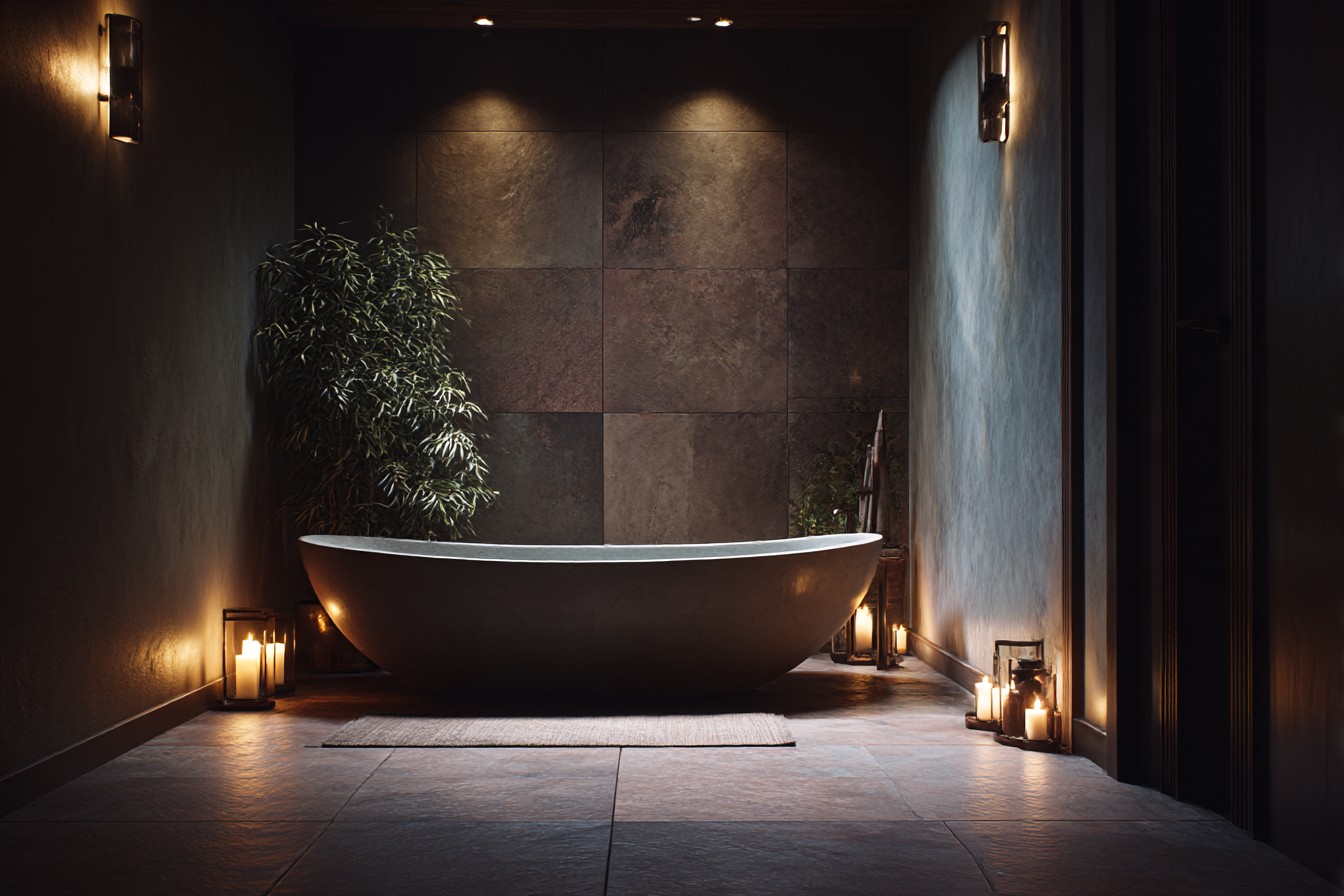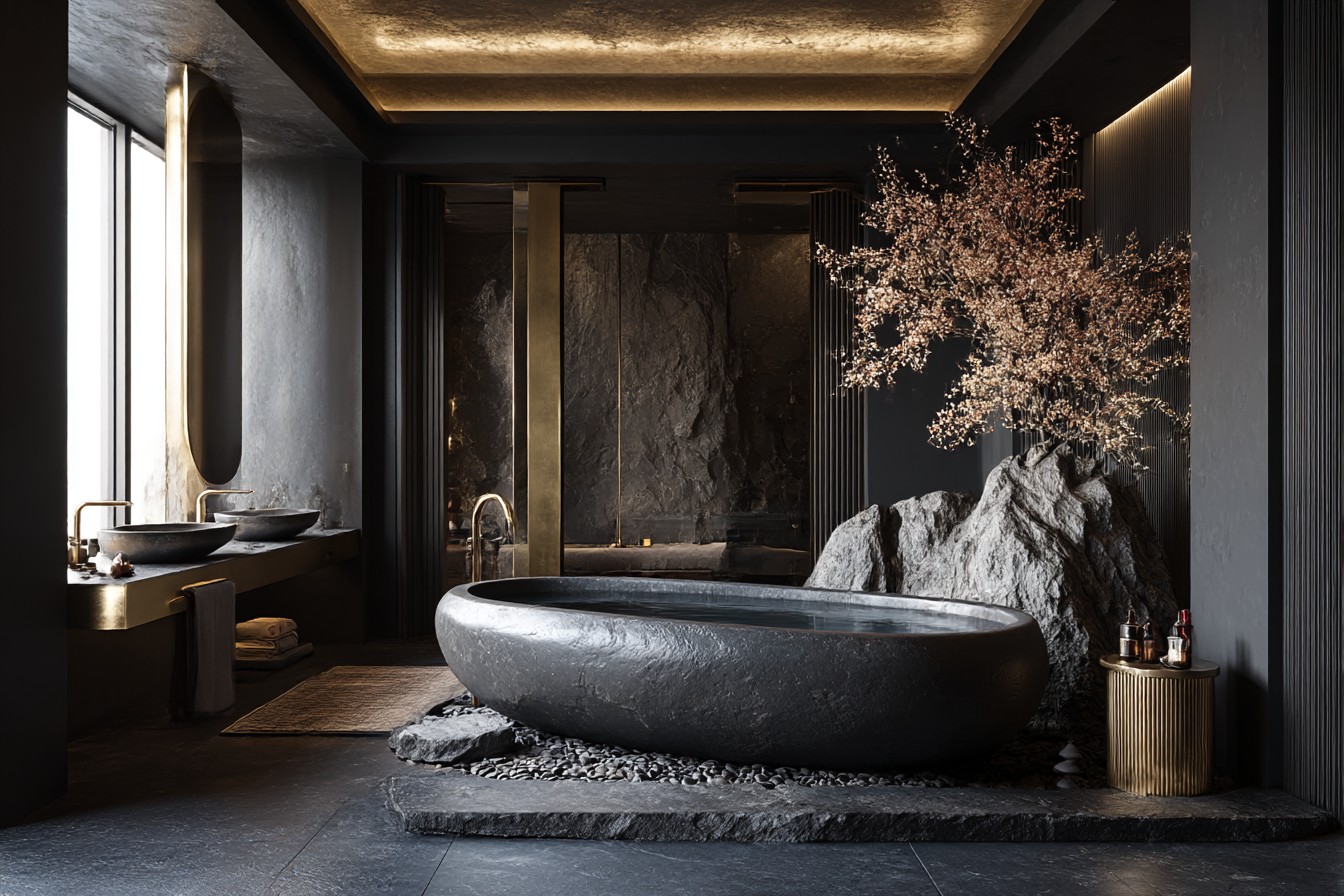
The first time I walked into Sarah’s bathroom – she’s another teacher at our school – I genuinely thought she’d hired some expensive designer. My shoulders literally dropped, you know that feeling when you don’t realize you’re tense until you’re not? Turns out she’d just painted the walls a nice colour and bought some wooden accessories from TK Maxx. “I was sick of feeling like I was getting ready in a service station,” she said, which honestly summed up my own bathroom situation perfectly.
Our flat’s bathroom when we moved in… Christ, where do I start? Imagine if someone took everything depressing about British public toilets and somehow made it worse. Fluorescent strip lighting that buzzed like an angry wasp, those horrible white tiles that looked grubby no matter how much you scrubbed them, and a color scheme I can only describe as “what happens when beige gives up on life.” Every morning felt like I was preparing for the day in a medical facility, not exactly the vibe you want when you’re already dreading another day of explaining the formation of oxbow lakes to year 9s.
That visit to Sarah’s place properly got me thinking though. I started researching this whole zen bathroom thing – partly procrastination from marking homework, let’s be honest – and discovered it’s not actually about spending hundreds on fancy bamboo everything. It’s more about understanding why certain spaces make you feel stressed and others don’t. Apparently our brains are constantly processing visual mess as actual stress, which explains why I felt overwhelmed every time I looked at our bathroom counter with its collection of random bottles and tubes scattered everywhere.
My girlfriend had been dropping hints about sorting the bathroom for months. She’s got a proper eye for this stuff – works in marketing so she understands how environments affect people – while I’d been perfectly happy to ignore the problem and focus on lesson planning instead. But after seeing what Sarah had achieved on a teacher’s budget, I figured we could probably manage something similar without breaking the bank or hiring professionals we definitely couldn’t afford.
Started with materials because that seemed manageable. Swapped all the plastic dispensers and accessories for wood and ceramic alternatives. Found this bamboo bath mat at a little market in St Nicholas – cost fifteen quid and lasted years longer than the synthetic ones I’d been replacing constantly. There’s something about having substantial, natural materials under your hands that just feels better, less like everything’s going to crack if you breathe on it wrong.
The paint situation became a proper learning experience. Sarah had this gorgeous warm gray that looked like morning mist, so naturally I assumed I could just copy that. Spent ages in B&Q trying to match the colour from a photo on my phone – first mistake right there. Turns out lighting completely changes how colours behave, and our south-facing bathroom gets completely different light to her north-facing one. The gray I’d chosen looked muddy and depressing by afternoon, absolutely not the calming vibe we were going for.
Ended up with three different test patches on the wall and about forty pounds worth of paint I couldn’t return before finally settling on this barely-there sage green. My girlfriend was getting properly fed up with the indecision, but when we finally got it right it felt like being wrapped in eucalyptus every time you walked in. Sometimes the expensive mistakes teach you more than getting it right first time, though I wouldn’t recommend that approach if you’re on a tight budget.
The minimalism thing sounds dead simple until you actually try it. Spent months trying to figure out what “just enough stuff” actually meant in a bathroom context. Too little and it felt like a Travelodge, too much and that stressed feeling crept back in. The sweet spot ended up being everything you actually use daily visible and beautiful, everything else hidden away properly.
Installed these floating shelves made from reclaimed wood – found them at a salvage place near Temple Meads for twelve pounds each, bit of a bargain really. They hold exactly what we use every morning: face wash, moisturizer, electric toothbrushes. All the backup products and random bottles live in a woven basket under the sink that I got from a charity shop for eight quid. Looks intentional rather than like we’re just hiding mess behind pretty storage.
The lighting change was probably the most dramatic improvement for the least money. That buzzing fluorescent strip had been making everything look harsh and clinical, like we were performing surgery rather than brushing our teeth. Replaced it with warm LED bulbs in a simple linen shade, then added one of those salt lamps on the windowsill. The warm amber glow in the evening feels like proper candlelight without the fire risk of actual candles in a small space. Cost about sixty pounds total but the mood shift was immediate and obvious.
Plants seemed like an obvious addition until I remembered my track record with keeping things alive. My first attempt was this fiddle leaf fig that looked amazing in the shop but died within two months because apparently bathrooms are humid, temperature-variable environments that most houseplants actually hate. What works is a snake plant – practically indestructible, even I can’t kill it – and some air plants in glass orbs near the window. They clean the air and add life without requiring daily attention I definitely won’t give them.
Textures became really important for creating that spa feeling people talk about. I layered different materials throughout the space: smooth river stones in a small dish, rough linen towels, a soft cotton bath mat. Each texture tells your skin something different, and the variety keeps things interesting without being overwhelming. The stones came free from a weekend trip to Weston-super-Mare, the linen towels were an investment at thirty pounds each but they’ve aged beautifully and still look elegant rather than shabby.
This might sound like overcomplicating things, but I added a small tabletop fountain that completely changed how the space feels. Not some massive waterfall feature – just a simple ceramic bowl with a quiet pump that cost twenty-five pounds online. The gentle trickling sound masks noise from the street and creates instant calm. Turn it on during evening routines, off when leaving. Simple but surprisingly effective for something so small.
Storage needed to be both functional and actually nice to look at. Those clear plastic containers everyone recommends online looked cheap and showed every fingerprint and water spot. Instead found these ceramic canisters with bamboo lids that hold cotton pads, bath salts, and other necessities while looking like proper decorative pieces. Cost more initially – about fifteen pounds each – but they’ve never looked dated or out of place.
Replaced the standard medicine cabinet mirror with a round one in a thin brass frame. The softer shape feels more organic than harsh rectangles, and the warm metal adds just enough detail without being flashy or overwhelming. Mirrors reflect the entire space back at you, so getting this choice right amplifies all your other decisions.
What genuinely surprised me was how these changes affected daily routines. Mornings became less frantic because the space felt calm rather than chaotic. Evening skincare turned into something I actually looked forward to rather than rushing through to get it over with. The bathroom became somewhere I wanted to spend time, not just get through as quickly as possible before escaping.
Total cost ended up around three hundred pounds spread over six months, buying things gradually rather than all at once. Not nothing on a teacher’s salary, but hardly a complete renovation either. More importantly, every single change improved how the space actually worked, not just how it looked in photos. That’s probably the difference between decorating and proper design – one affects your daily life, the other just makes things look nice for Instagram.