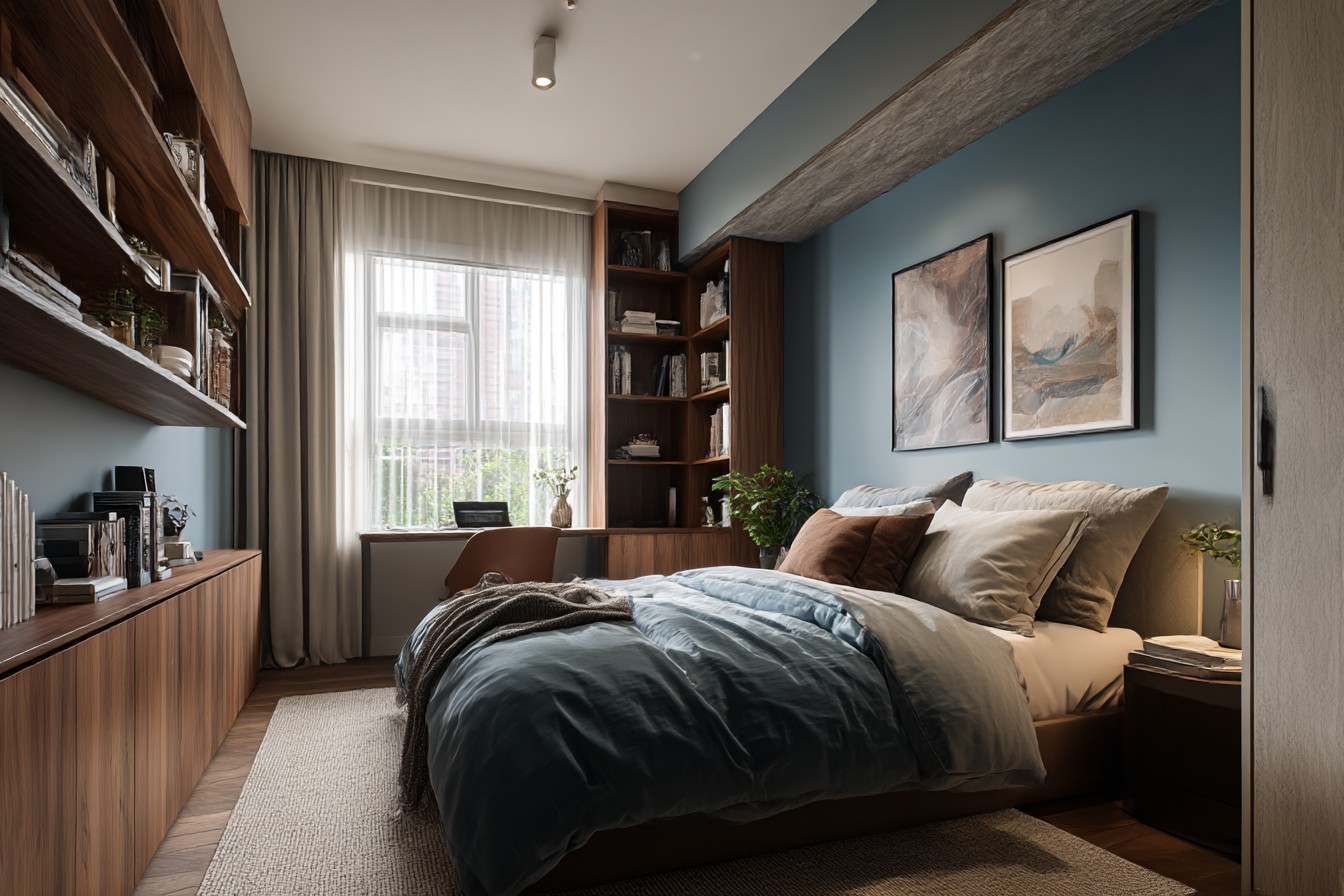
The bedroom that I currently call home is roughly the same size as a good sized walk-in-closet. As soon as I moved into the flat, I stood in that room with my measuring tape trying to figure out if I had made a huge mistake. The estate agent called it “cozy” and, let’s be honest, “cozy” is really just realtor-speak for “you will have to breathe very heavily to even close the wardrobe door.”
But, there are some benefits to small bedrooms. They can encourage you to think creatively and to create a more functional space than many larger rooms where you simply place furniture in whatever space is available. I have spent the last three years transforming this shoebox into a highly functional space and I don’t just mean aesthetically pleasing, I mean it is genuinely livable.
One of the largest changes I made was raising the bed. Yes, I am aware that everyone tells you to raise the bed and most people do it incorrectly. I purchased a metal bed frame that raises the bed 24 inches off the floor (I measured it myself using my tape measure as I crawled through IKEA like a furniture detective). Underneath the bed I placed four large storage boxes on wheels that can be pulled out with ease. Two of the boxes are filled with out-of-season clothing, another is filled with extra bedding, and the final box is my “someday I may need this” box (spoiler alert I rarely do) and the last one is my gift wrapping station.
Having the wheels underneath the boxes was key. If the boxes were stationary, then they would essentially be black holes that everything would fall into and you would never bother to pull everything out just to retrieve one jumper. I learned this lesson the hard way when I originally used non-movable boxes and ended up purchasing two sets of identical Christmas decorations because I didn’t want to dig through all of the stuff to find out if I had them.
I found that wall mounted bedside tables greatly improved the functionality of my small bedroom. In a small bedroom, floor space is limited and every square inch of space is valuable. I installed floating shelves with small drawers that hang approximately 18 inches over the bed. The ideal height for my glasses, phone charger, and the constant presence of a water glass. Additionally, I can now vacuum under the bed without having to play furniture tetris every week.

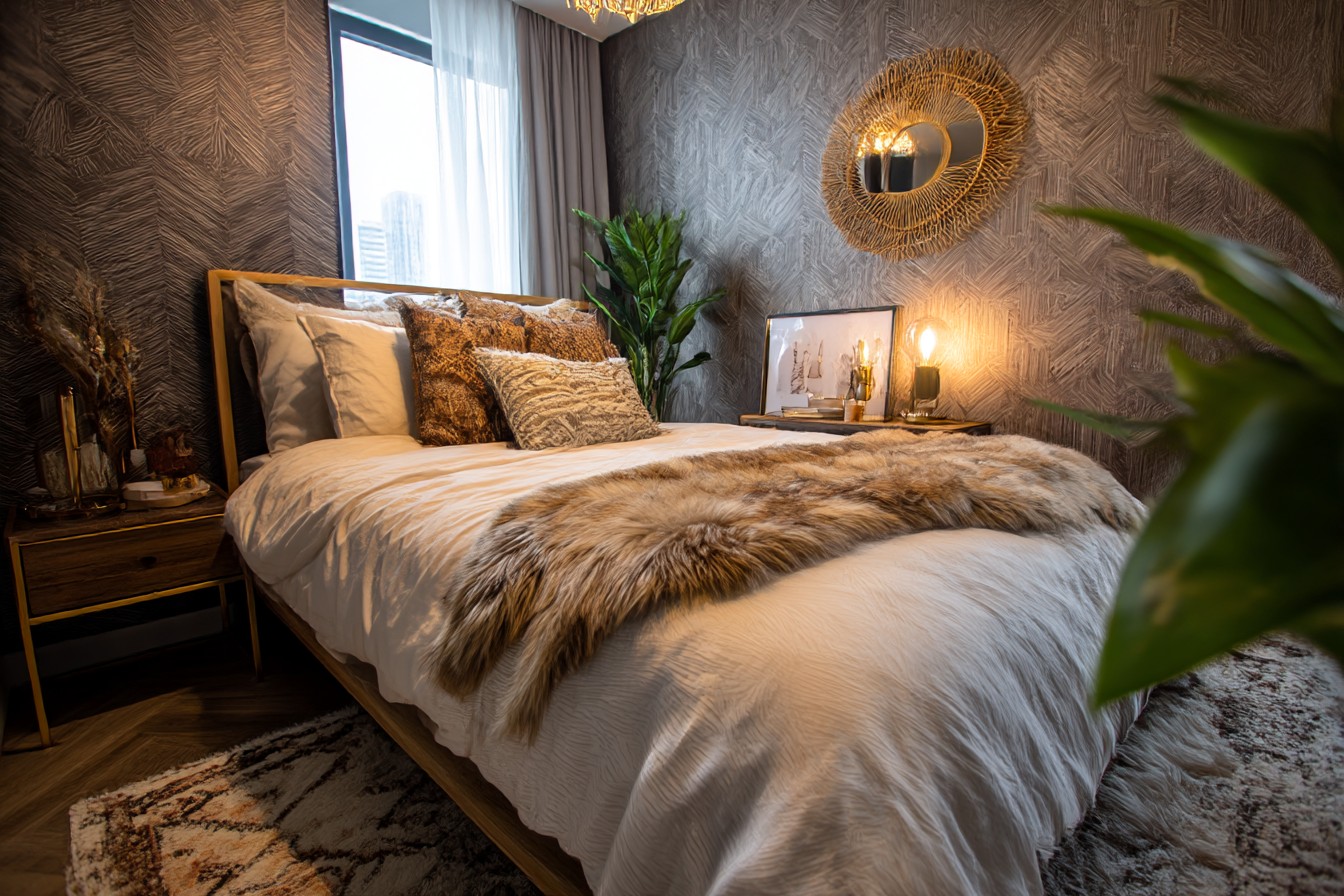
Regarding walls mirrors are not just for checking yourself before heading out. I hung a large mirror on the wall opposite my single window and the room instantly felt brighter and significantly larger. However, placement is extremely important. Initially, I hung the mirror directly in front of the bed, which made me paranoid about how I would look sleeping (weird, I know). After moving the mirror to reflect natural light coming from the window, I found it to be the perfect placement.
The wardrobe was an area that required a lot of thought. The built-in wardrobe has sliding doors that never quite line up properly (you know the type they come off their track if you even glance at them wrong). Instead of constantly struggling with them, I removed the doors completely and hung a tension rod across the opening with a curtain. While it appears somewhat makeshift, it does appear intentional, particularly with a nice fabric. More importantly, I can now see everything at once, rather than playing the guessing game as to which side my work clothes are hiding behind today.
Utilizing the vertical space inside my open wardrobe was a great solution. I installed additional rods at varying levels one for shorter items such as shirts and skirts, and a second higher up for longer pieces. Those hanging organizers with multiple shelves hold folded items, shoes and accessories. Everything is now visible, everything is now accessible.
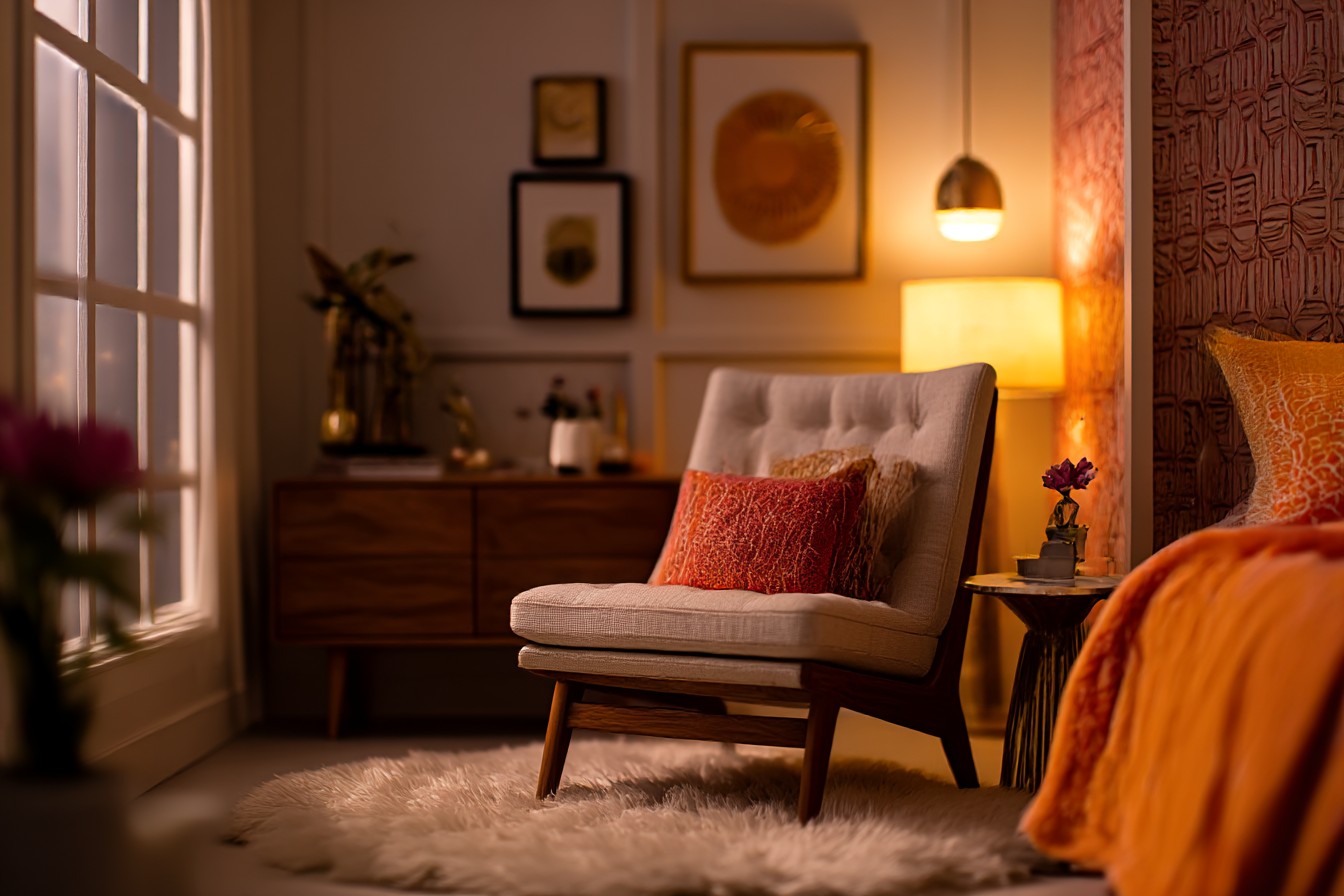
Lighting should receive its own section as it has been one of the major differences between my old bedroom and my new one. Overhead lighting in small bedrooms can be harsh and unflattering. I replaced my ceiling fixture with three different light sources: string lights around the headboard (yes, it sounds college-student-ish, but the warm LED ones look surprisingly sophisticated), a small table lamp on one floating shelf, and a floor lamp in the corner that reflects light off the ceiling. The layering effect creates a much larger feeling in the space and is much warmer and inviting.
In terms of color options, you should consider them more in small spaces than any other space. I painted three of the walls a soft, warm white, and I painted the wall behind my bed a deep navy blue. The contrast creates a sense of depth without making the space feel cramped. You can actually use dark colors effectively in small spaces if you utilize them correctly. The dark-colored wall behind my bed makes the other walls appear farther away, thus creating a greater sense of space.
Using multi-functional furniture has been a necessity since I stopped battling against the space of my room. My bedside “table” is actually a small stool that I can use for seating when friends visit. The trunk at the bottom of my bed holds winter clothing, but it also serves as an additional seat and surface for folding laundry. That floor lamp I mentioned? It has a small table built into its base perfect for placing a book and tea mug on.

Finding the correct window treatment was a process. Using heavy curtains made the room feel smaller and darker. Leaving the window uncovered felt too exposed. I eventually settled on white linen curtains hung as close to the ceiling as possible and extend slightly past the window frame on each side. This technique makes the window and the room appear larger, while still maintaining adequate privacy.
Storage became an art form. Each piece of furniture had to earn its right to exist based on multiple functions. The ceramic bowl on my dresser holds jewelry, but it also adds to the aesthetic of the room. Small hooks on the back of the door hold bags, scarves and that robe that I actually wear. A narrow bookshelf fits perfectly in the corner and holds books on most of the shelves, but leaves the top shelf for plants (who says that small bedrooms can’t have plants?).
My most unexpected finding? Small bedrooms can actually be more restful than large ones. There is something cozy about an organized small space that creates a sense of safety and intimacy. When everything is in its designated spot and that spot is within arms reach, your evening routine becomes smoother and mornings feel less chaotic.
Not one of the solutions I provided costs a fortune. The most expensive individual item was the bed frame at £180, and most everything else came from high street stores and/or online retailers. It is not about having an endless budget it is about changing the way you think about how space operates and being willing to challenge the rules about how furniture is arranged in a bedroom.