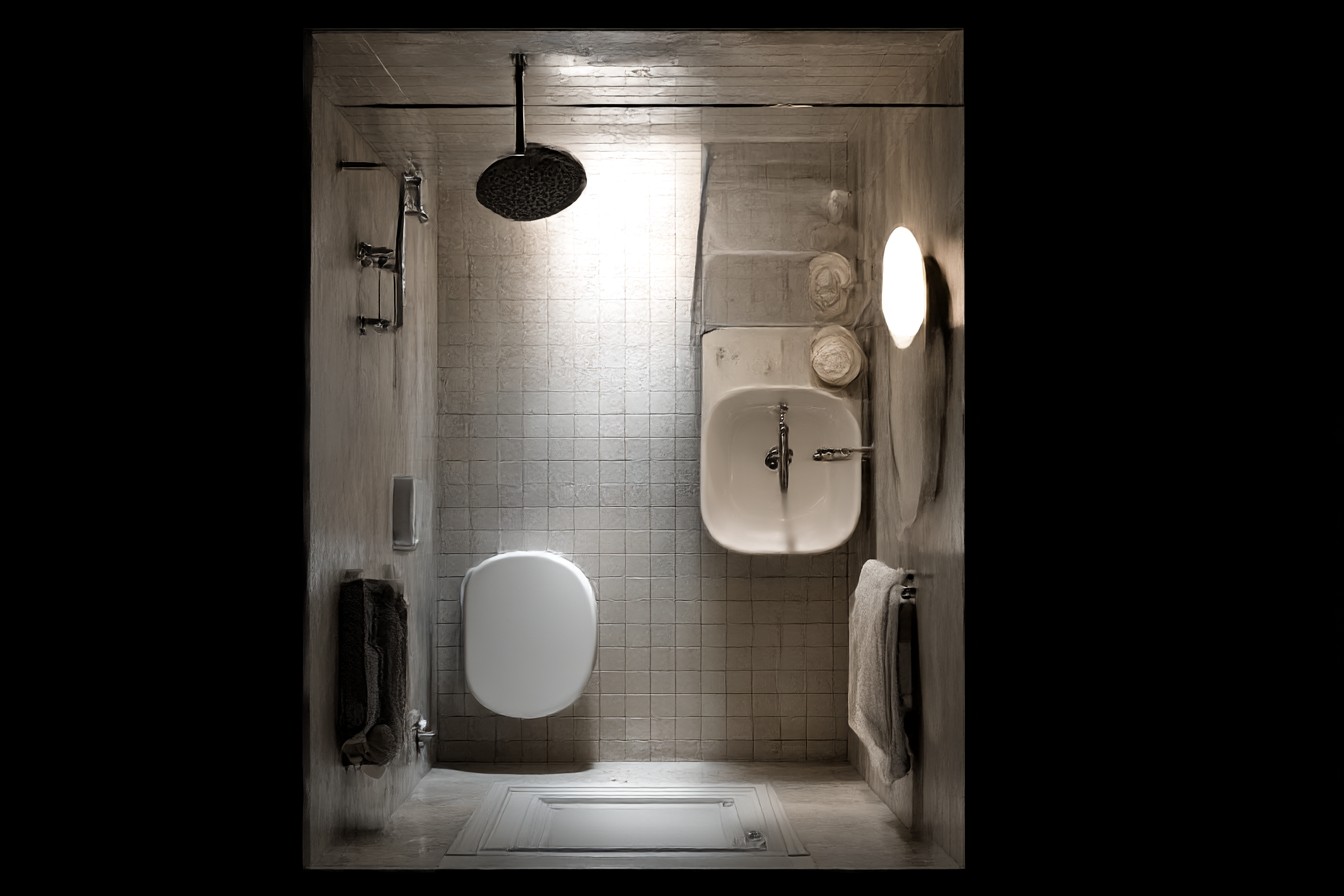
You know that feeling when you get out of the shower and your bathroom floor just about turns into an ice rink? I experienced that exact situation for almost eighteen months after I first moved into my flat. I selected these very fancy porcelain tiles – super-expensive ones that looked absolutely fantastic in the showroom – however, once water touched them, it was like walking on a skating rink. When you’re sliding around on the floor of a bathroom the size of a cabinet, you don’t have anywhere to hold onto.
Bathrooms are a small space each and every decision you make seems to be amplified. What appears to be a magnificent selection of flooring when you see a tiny sample in a showroom instantly becomes a major player when it’s the primary element in a cramped area. I’ve been involved with making nearly every bathroom flooring disaster imaginable, either through my own lack of knowledge or through assisting friends with their homes, and I believe I could potentially spare you from experiencing similar disasters as I did.
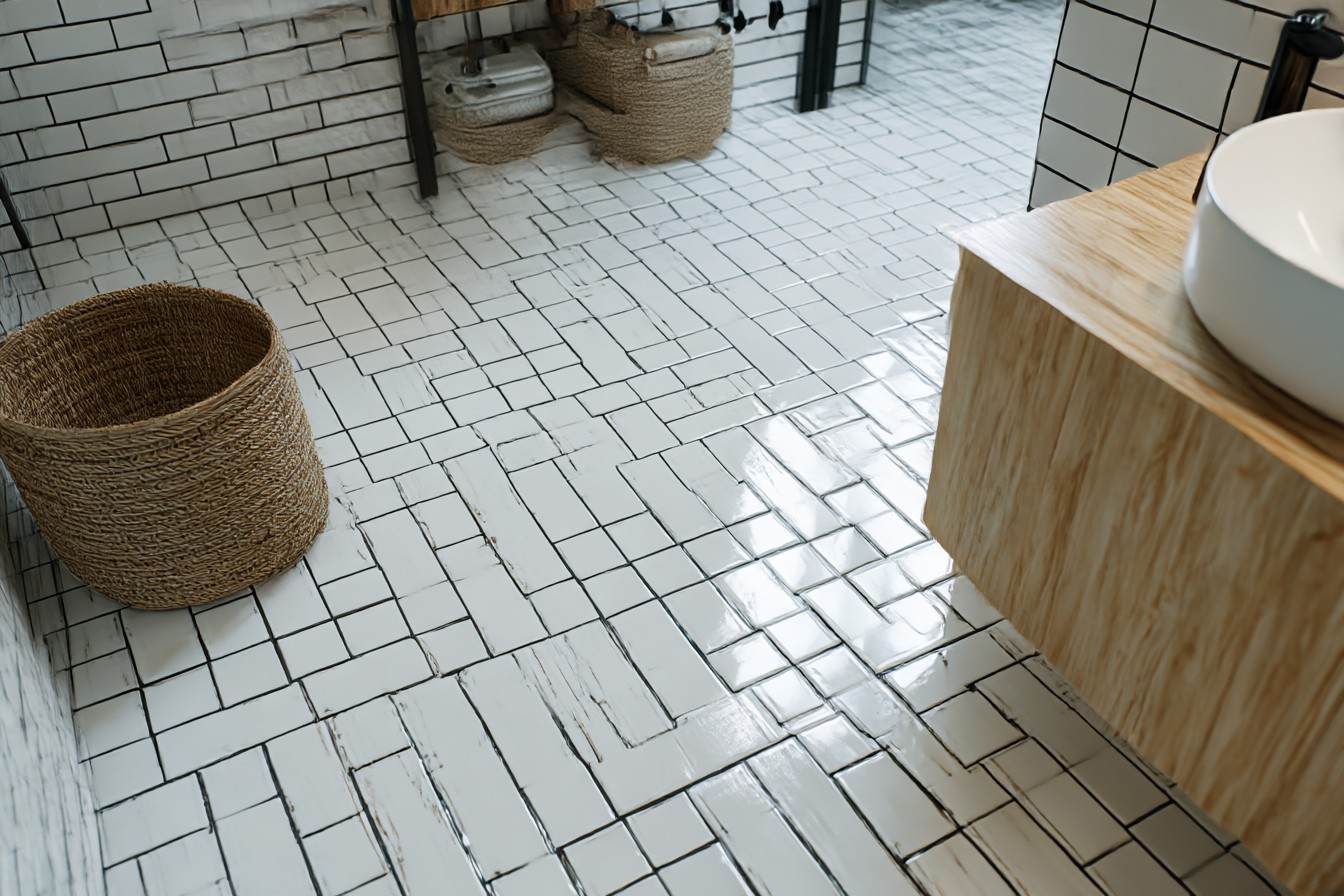
I currently use luxury vinyl planks (LVP) on the floor of my bathroom in what they described as “weathered oak” – possibly sounds a bit pretentious, but actually looks great. The cost was approximately £180 for the materials, and I fitted it by myself over a weekend while my girlfriend stayed with her mother as apparently my cursing gets quite creative when I’m struggling to get the measurements correct. Saved probably £300 in installation costs, and although the installation process itself was not particularly difficult to learn, I found that it was easier once I figured out how to cut the planks correctly. After three years, the LVP still looks the same as when I originally laid it – which is more than I can say for most other projects I have attempted to complete.
What I found clever about laying the LVP was how I placed the planks – I ran them lengthwise across the bathroom, which creates the illusion that the space is larger than it actually is. This is one of those visual illusions that actually does create the desired effect – unlike many of the ideas presented online. My bathroom is probably about four meters long, but due to the placement of the LVP, it feels much larger.
When I first moved in, the previous owner of the property had laid tile mosaics throughout the bathroom. I am sure you know the type – thousands of tiny squares with grout lines that were specifically designed to catch soap scum and turn gray within a couple weeks of installation. Every time I cleaned the bathroom, I would find myself crawling around on my hands and knees with an old toothbrush, scrubbing away like some sort of deranged cleaner, and yet the tiles would never appear truly clean. In a small bathroom, everything shows; therefore, the maintenance required to maintain flooring in a small bathroom quickly becomes your arch-nemesis.
The slippery nature of the flooring when you do not have adequate room to recover after losing your balance is a huge issue. My neighbor upstairs Sarah, a lovely woman but questionable DIY judgment recently installed polished concrete in her en-suite. The polished concrete looked absolutely beautiful magazine worthy but she had to install rubber bath mats in every area of the bathroom to prevent falling while exiting the shower. Does that not defeat the purpose of installing beautiful flooring when you must cover it with unsightly bath mats?
In my experience working in small bathrooms, here are the flooring elements that work well: textured vinyl. Modern textured vinyl is incredibly impressive. The new versions are far superior to the horrible textured vinyl of the 1980s. They have the ability to be waterproof in such a manner that you can finally relax about spilling water in the bathroom instead of frantically wiping up every drop of water. Textured vinyl also costs roughly one-quarter of the price of natural stone. I choose to purchase a textured vinyl product with minimal texture. Enough to provide a level of traction, but not so much that it will be difficult to clean.
Sheet vinyl receives a lot of negative press; however, the new versions of sheet vinyl are surprisingly good. My sister used sheet vinyl in her en-suite and I mean extremely small, you have to close the door to be able to reach the sink. She purchased a design that resembles expensive marble. After eighteen months of daily abuse from her two teenage sons who seem to be unable to take showers without flooding the floor, the sheet vinyl is performing well. The secret to successfully installing sheet vinyl is applying a bead of silicone along the edges, which took us about an hour to accomplish. This prevented water from seeping under the sheet vinyl and causing damage in the future.
Large format tiles – I am referring to tiles that are at least 60×60 cm in size can be used in small bathrooms as long as you are mindful of your selections. Large format tiles result in fewer grout lines, which results in less scrubbing and a cleaner appearance in a small bathroom. My friend Dave had large porcelain planks (approximately 60×120 cm in size) with a concrete finish professionally installed in his bathroom. The improvement in the appearance of the bathroom was incredible. The overall appearance of the bathroom appeared to be at least double the actual size of the bathroom. Additionally, the cleaning of the bathroom transitioned from being an all-day task to a simple wipe-down.
Your grout color matters more than you realize. Grout is white when it is new, but it will quickly discolor. It will display every stain from soap, shampoo, etc. I always recommend that my customers select a grout color that is one shade deeper than the color of the tile. This will help to conceal the eventual staining of the grout and create the impression that the staining was intentional rather than indicative of poor cleaning habits. No one wants to be judged based upon their cleaning habits.
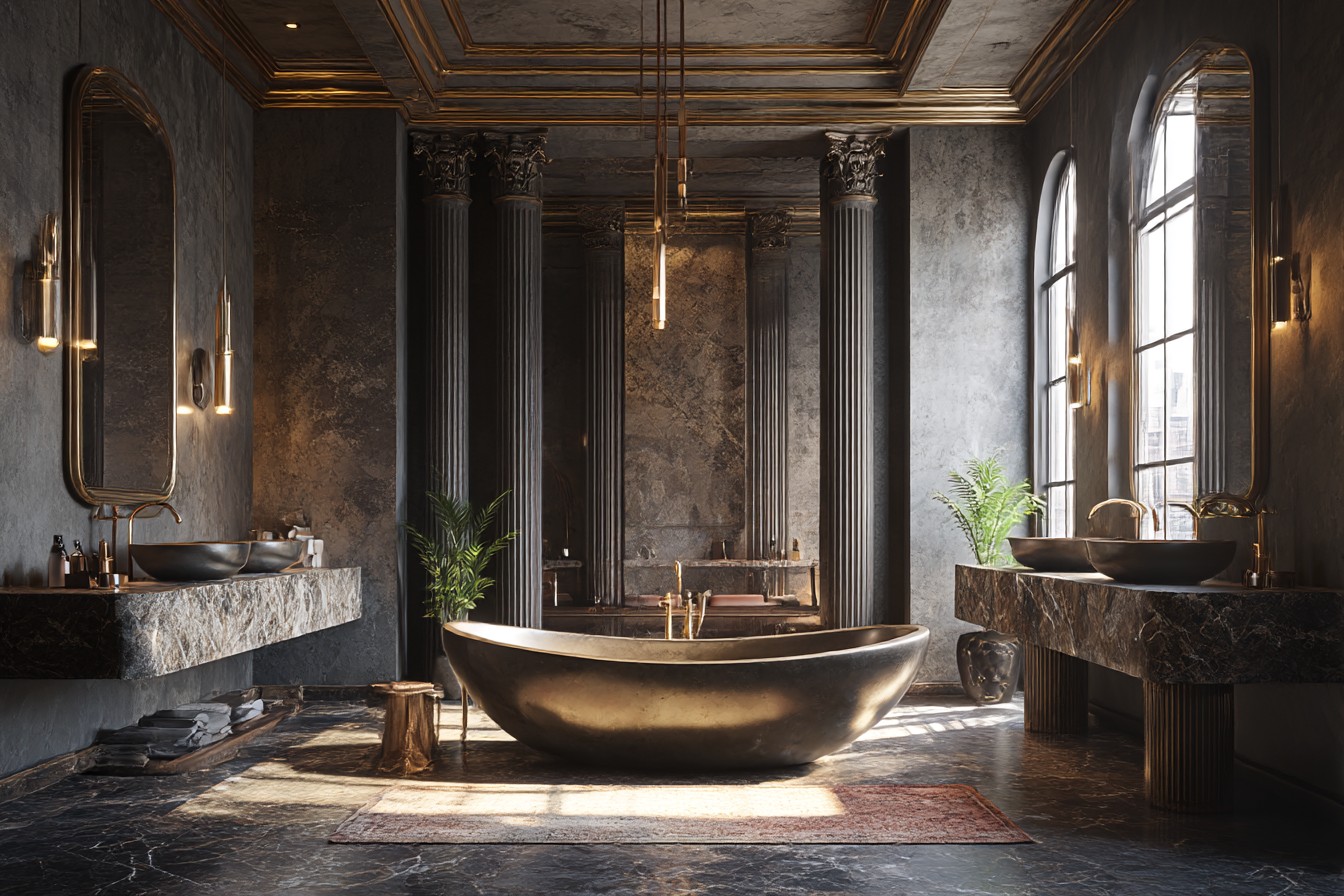
While natural stone may present an image of luxury, in a small bathroom, the potential for water spots and staining is significant. Darker stone such as slate can create a dark and cave-like environment in a small bathroom. While polished marble presents an attractive image, it will reveal every water spot. If you are determined to use stone, I recommend selecting a honed finish. Honed finishes tend to hide water spots and provide a greater degree of traction when stepping out of the shower.
One tip I learned from watching too many YouTube videos during lockdown: When you are working with a small bathroom, consider running the flooring material up the wall approximately ten centimeters to serve as a baseboard. This provides a cohesive look that creates the illusion of a larger space. I utilized this technique with my vinyl planks and it is one of those details that people notice without realizing why the space appears more finished and upscale than it actually is.
From a monetary perspective, luxury vinyl generally costs £15-£30 per square meter. Ceramic tiles can range from £20-£60 per square meter plus installation costs. Sheet vinyl can range from £8-£15 per square meter. Based on a small bathroom – say twelve square meters or less – the difference between budget-friendly options and mid-range options can be as little as £150-£200. However, the difference in performance on a daily basis is significant. At times, paying that little bit more now can save you hours of maintenance later.
The largest error I see people make including myself initially is selecting flooring solely on how it looks in ideal showroom conditions without considering the realities of daily life. The gorgeous natural stone that photographs so well for Instagram may look fantastic; however, if it causes you stress regarding water marks and requires you to perform a weekly deep clean, you will not enjoy using your bathroom. I would rather have flooring that looks okay and functions well than flooring that looks spectacular but is a constant source of frustration.