Right, so this might sound mental, but I’ve become completely obsessed with three-bedroom house plans. Not in a weird way – well, maybe slightly weird – but in a “I’ve finally figured out why our house drives me absolutely mad every morning” way. You know that feeling when you’re trying to get everyone sorted for the day and it’s like your house is actively working against you? That was me, every single day, stumbling over school bags and hunting for car keys while Phil shouted from the kitchen about where we’d put the dinner money.
We’re in this little terrace in Armley that I love, don’t get me wrong, but the layout is just… odd. Typical Victorian setup where they’ve clearly just divided up space without thinking about how people actually live. Narrow hallway that becomes a dumping ground, living room that’s too small for the sofa we’ve got, kitchen that feels miles away from everything else. When I was working full-time on the wards, I didn’t really notice because I was hardly home. But once I started spending more time here, especially when my mental health was rough and I needed the house to feel supportive rather than stressful, I realised how much the layout was affecting my mood.
That’s when I started looking at house plans online. Started innocently enough – I was browsing Pinterest for room inspiration and kept seeing these gorgeous American homes that were smaller than ours but somehow looked so much more liveable. Three bedrooms, compact footprints, but everything just seemed to flow better. I got properly sucked into it, spending hours on building websites looking at floor plans, sketching room layouts on the backs of envelopes, driving Phil mad by constantly showing him pictures of houses we absolutely couldn’t afford.
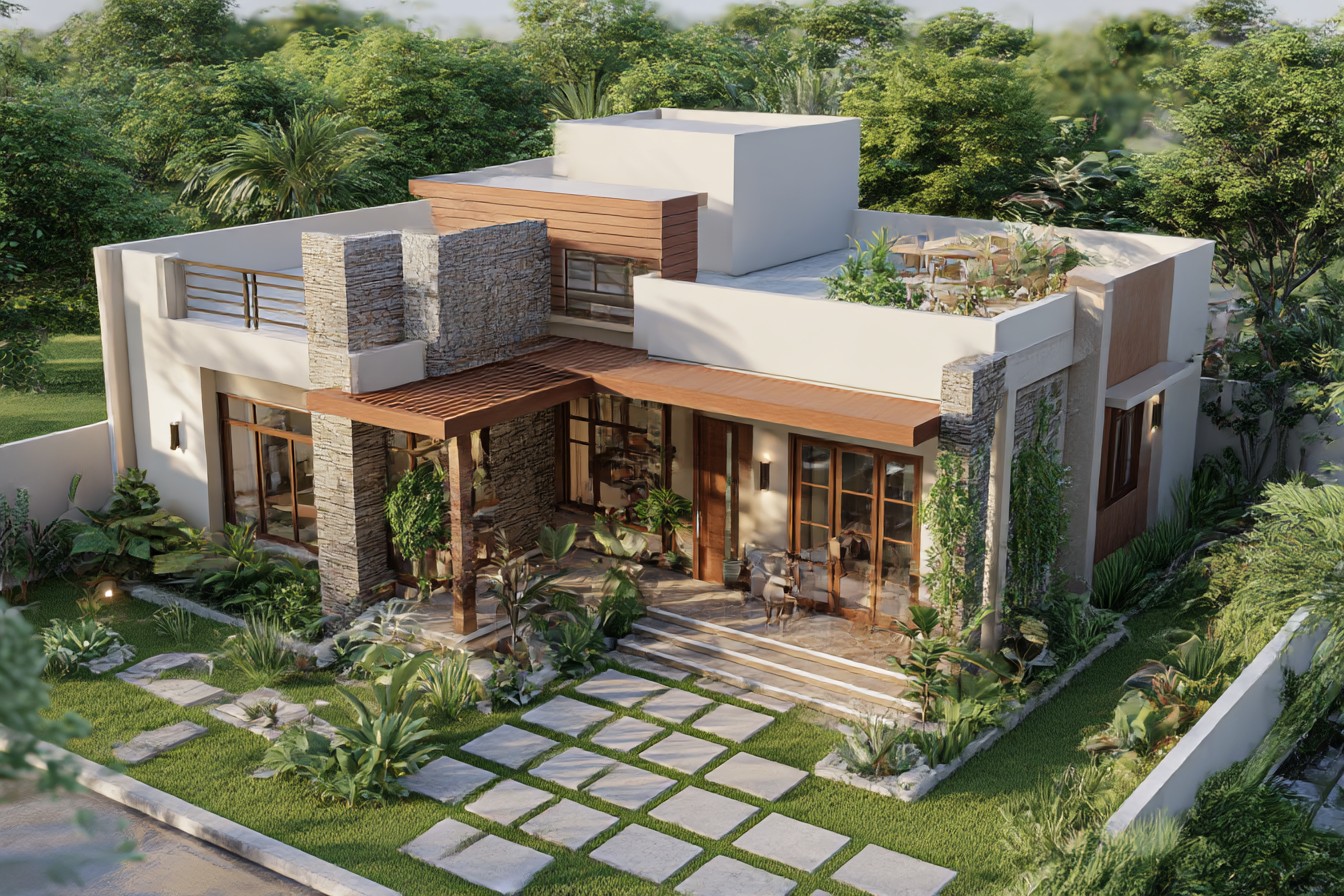
But here’s what I figured out – it’s not about having loads of space, it’s about having the right space in the right places. I found this plan called something like the Meadowbrook (American builders love these twee names, don’t they?) that was only about 1,100 square feet but was laid out so cleverly. The front door opened into a proper entrance area with hooks and storage, not just straight into the living room like ours does. The kitchen had this island thing that faced the living area so you could cook and still see what was happening, plus homework could happen right there where you could supervise without hovering.
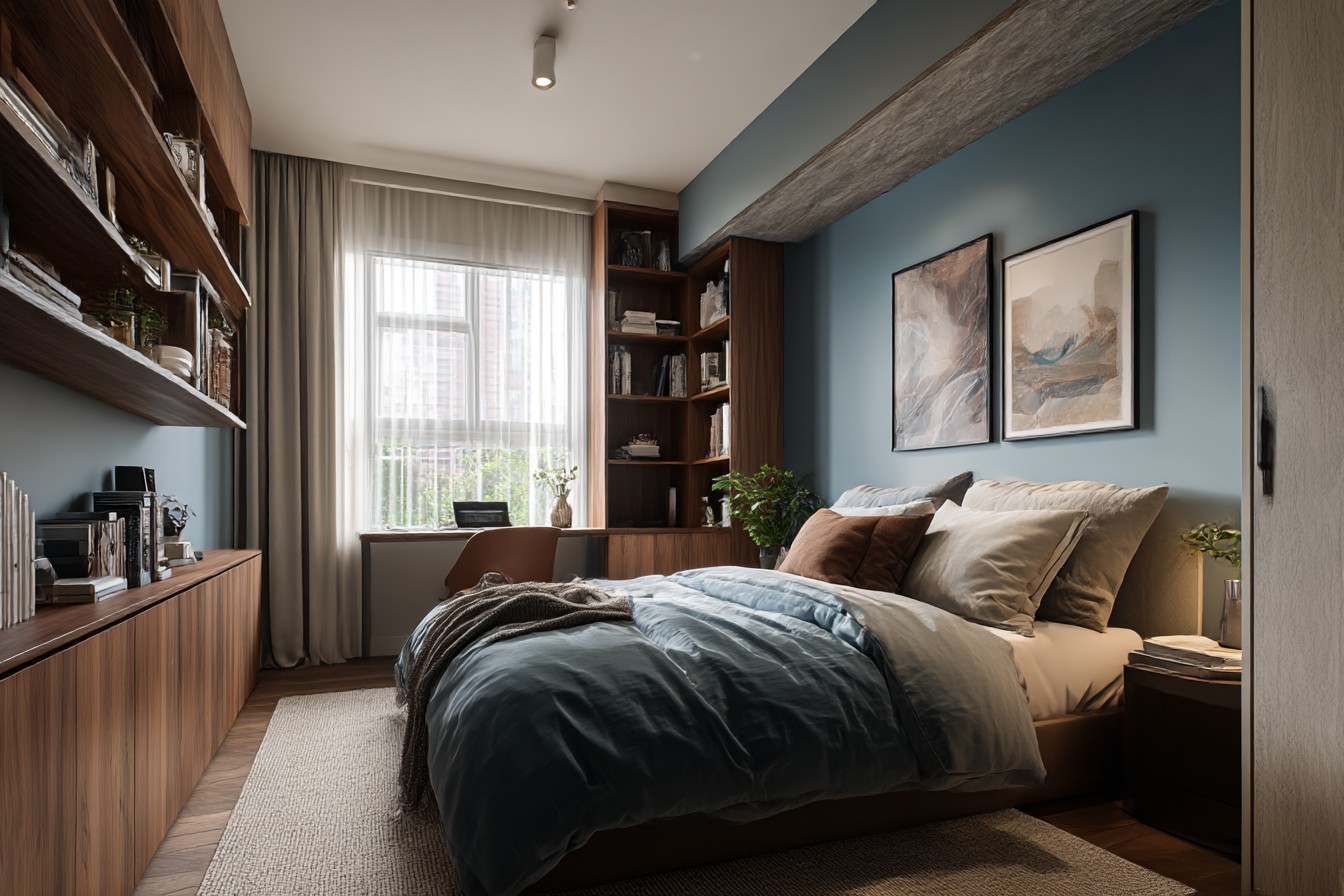
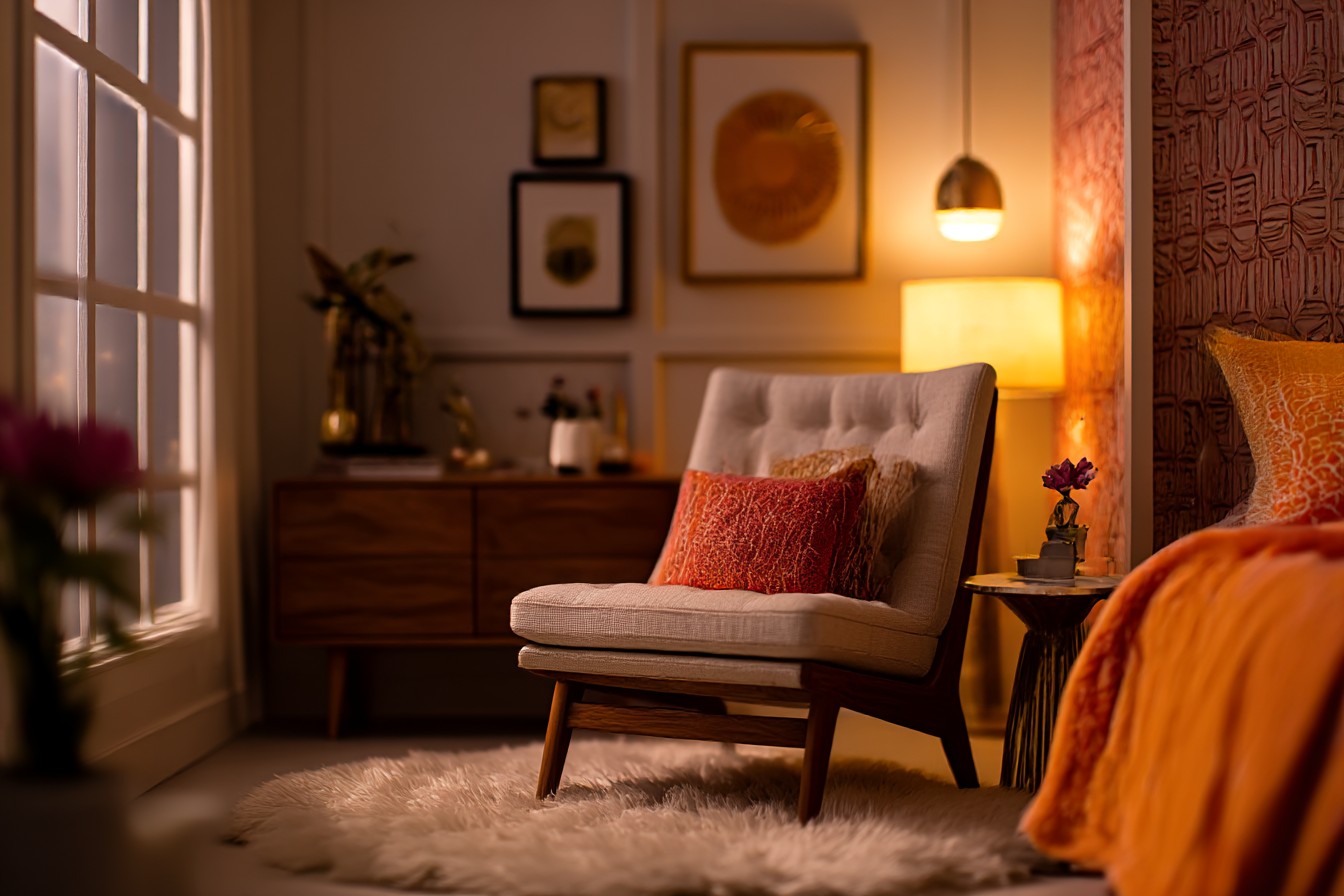
I actually went to see a show home last summer that was based on a similar design – dragged my sister along because Phil refused to spend his Saturday looking at houses we weren’t buying. It was in one of those new developments outside Harrogate, all identical but actually quite thoughtfully done. The master bedroom was smaller than what we’ve got now, maybe 12 by 14 feet, but it felt cosy rather than cramped. Had this lovely built-in wardrobe that actually used the space properly instead of just being a massive empty cupboard like the one we’ve got.
The two smaller bedrooms were about 10 by 12 each, which sounds tiny but worked perfectly. One had a desk area built into an alcove under the window – brilliant for homework. The other had these floor-to-ceiling shelves in the corner that would be perfect for all the random stuff kids accumulate. Both rooms felt light and airy because the windows were positioned properly and there wasn’t loads of unnecessary furniture cluttering things up.
What really struck me was how everything connected. No long, pointless corridors like Victorian houses have. No rooms you’d never use – you know those formal dining rooms that just become storage areas for Amazon deliveries and ironing you never do. Every single bit of space had a purpose and worked with the rest of the house rather than against it.
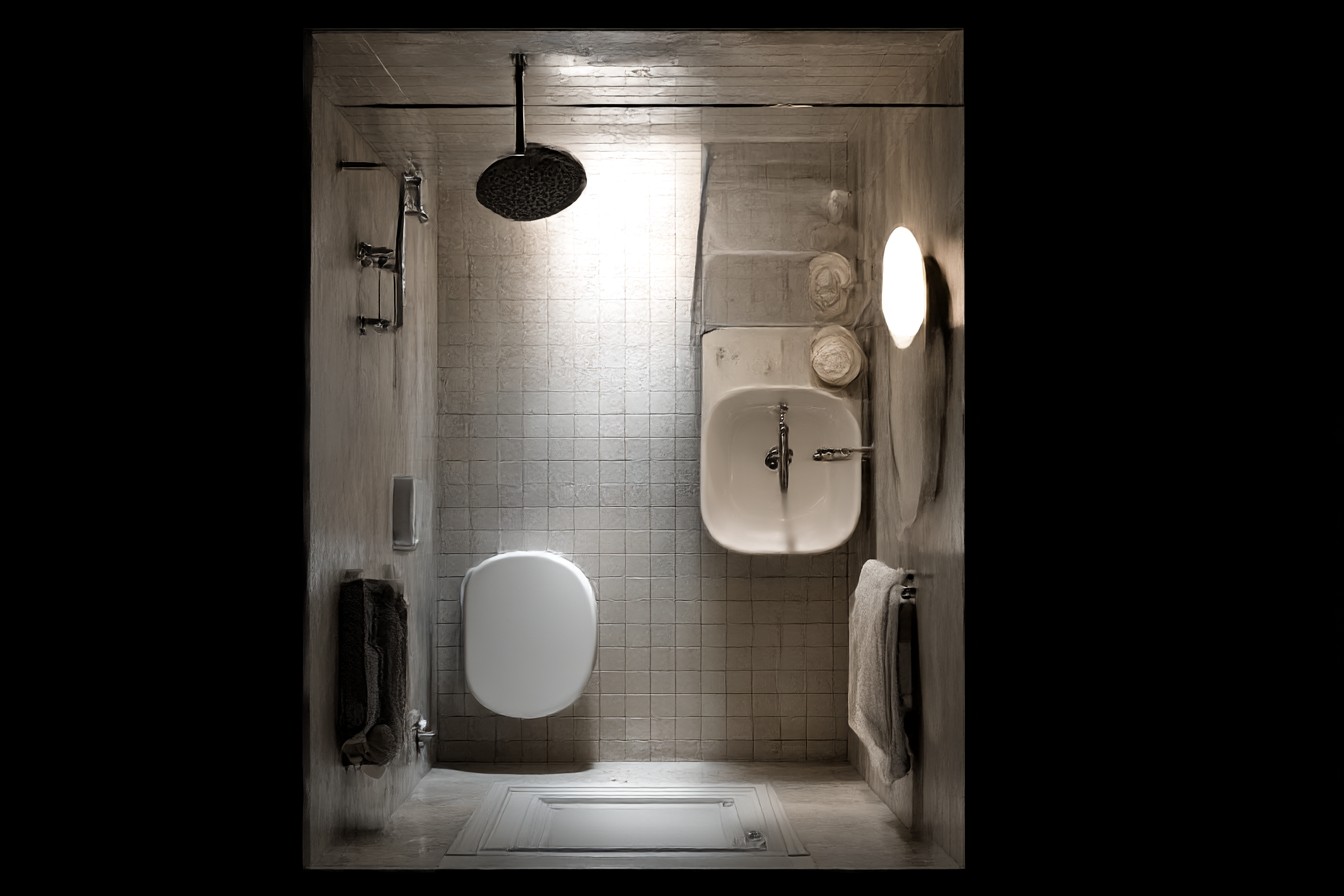
The best three-bedroom plans I’ve seen group all the bedrooms together with one good-sized family bathroom that’s actually designed sensibly. Not like the bathroom setups you see in some houses where the loo faces the door (honestly, what are architects thinking?) or where there’s no natural light and nowhere to put towels. I’m talking about bathrooms with windows, proper storage, maybe even a separate loo area if you’re really lucky.
I remember visiting my friend Sarah last autumn – she’d bought this new-build three-bedroom house that was only about 1,200 square feet but felt massive. The secret was the open-plan living area that flowed from kitchen to dining to sitting room without any walls blocking things up. They’d used different ceiling heights and flooring to separate the areas subtly, so you still had distinct spaces but everything felt connected. Her kitchen island had bar stools for breakfast and homework, storage underneath for all the school paperwork, and faced the telly so she could cook while keeping an eye on everything.
Her kids’ bedrooms were probably 11 by 11 each – not huge, but perfectly planned. Each one had a window seat with storage underneath (apparently cost about £600 to have built, but looks amazing and so practical). The master bedroom was maybe 13 by 15 with a walk-in wardrobe that was actually organised with proper shelving and hanging space, not just an empty room with a rail like so many places have.
The real test of these house plans is daily life, isn’t it? Getting everyone ready in the morning, supervising homework while making dinner, tidying up at weekends – does the layout actually support how families live or does it make everything harder? The best small three-bedroom houses I’ve studied all have certain things in common. The kitchen always has a view of the main living area and often you can see into at least one of the bedrooms. There’s always proper storage near the front door – built-in cubbies, coat cupboards, or at least decent hooks and somewhere to sit while you’re putting shoes on.
The master bedroom is positioned so you get privacy but you’re not completely cut off from family life. Usually at the opposite end of the house from the kids’ rooms, or separated by the living areas. I’ve been in small houses where you can hear absolutely everything from every room and it’s exhausting rather than cosy – nobody gets any peace.
Money-wise, these smaller three-bedroom houses make loads of sense. Less square footage means lower building costs, smaller heating bills, less furniture and decoration needed. I’ve seen gorgeous examples that cost £150-180 per square foot to build, which is significantly less than bigger houses because you’re not paying for wasted space or rooms you’ll never properly use.
The trick is finding plans that make every inch work without feeling cramped. Look for designs with higher ceilings if possible – even an extra foot makes a massive difference to how spacious rooms feel. Windows positioned thoughtfully, built-in storage solutions, sensible room shapes that actually fit furniture properly. Avoid plans with long narrow hallways or weird angles that waste space.
One thing I learned from studying all these floor plans – and this might seem obvious but it wasn’t to me – you need to think about door swings and where furniture will actually go. That lovely 10 by 12 bedroom might not actually fit a double bed and chest of drawers if the door opens into the room and there’s only one wall where the bed makes sense.
The families I know who live in well-designed three-bedroom houses are genuinely happier with their homes than friends who’ve got loads more space but poor layouts. Less cleaning, lower costs, but somehow more functional for actual daily life. Their kids seem to spend more time in the communal areas instead of disappearing into massive bedrooms. Parents say they feel more connected to what’s happening with the family.
I think there’s something lovely about homes that bring families together rather than spreading everyone out into separate corners. These compact three-bedroom plans do exactly that – they create cosiness without sacrificing privacy, efficiency without feeling restrictive. When space is designed thoughtfully, you realise how little you actually need to live well. Makes me want to redesign our whole house, if only we had the money and Phil’s enthusiasm for major building work. Maybe one day.