You know that feeling when you walk into someone’s bathroom and think “bloody hell, how did they make this tiny space feel so good?” Had that exact moment last month at my mate Jen’s place. Her bathroom’s probably smaller than our old one in Bulwell – maybe six feet by five if you’re being generous – but it felt spacious and proper modern without looking like she’d blown her inheritance on it.
The thing is, it wasn’t because she’d gone mad at some fancy showroom. Just smart choices that actually worked together, you know? Clean but not clinical, quality stuff but not the kind that makes your credit card weep. And honestly, that’s what I’ve learned after mucking about with our own bathroom disaster for the past few years.
I keep thinking about small bathrooms because that’s where you really can’t hide your mistakes, can you? Every surface is staring you in the face. Every inch matters. And most of us are stuck with spaces that were designed when people thought avocado bathroom suites were the height of sophistication.
Our bathroom journey started when we bought the house – and I’m using “bathroom” quite generously here. The previous owners had painted everything this horrible magnolia colour (why is it always magnolia?), shoved in one of those massive vanity units that took up half the floor space, and installed strip lighting that made everyone look like they were dying. Not exactly what you want first thing in the morning when you’re already questioning your life choices.
First thing I figured out – and this might seem obvious but stick with me – small doesn’t have to mean you feel like you’re trapped in a phone box. Spent ages measuring everything, trying to work out why some tiny bathrooms feel alright while others make you want to leg it straight back out. Turns out it’s mostly about giving your eyes somewhere to rest.
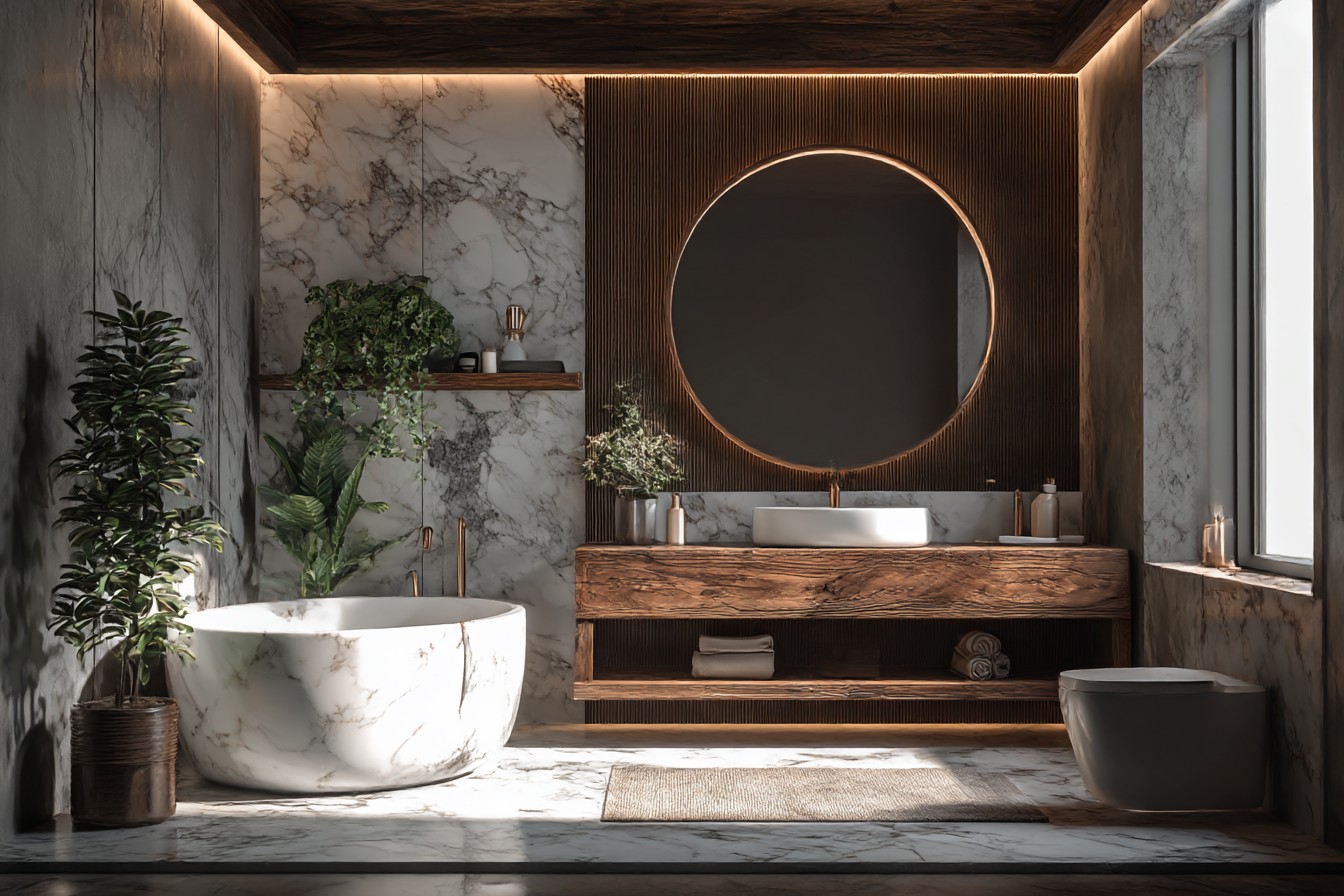
Wall-mounted vanities were my first proper breakthrough. I’d been a bit skeptical, thought they might look a bit try-hard, but seeing that extra bit of floor underneath genuinely makes the room feel bigger. Found a local bloke who made us a simple oak one – nothing fancy, just clean lines and drawers that don’t slam when Danny’s getting ready at half past five in the morning. Cost about half what the posh places wanted and it’s been brilliant.
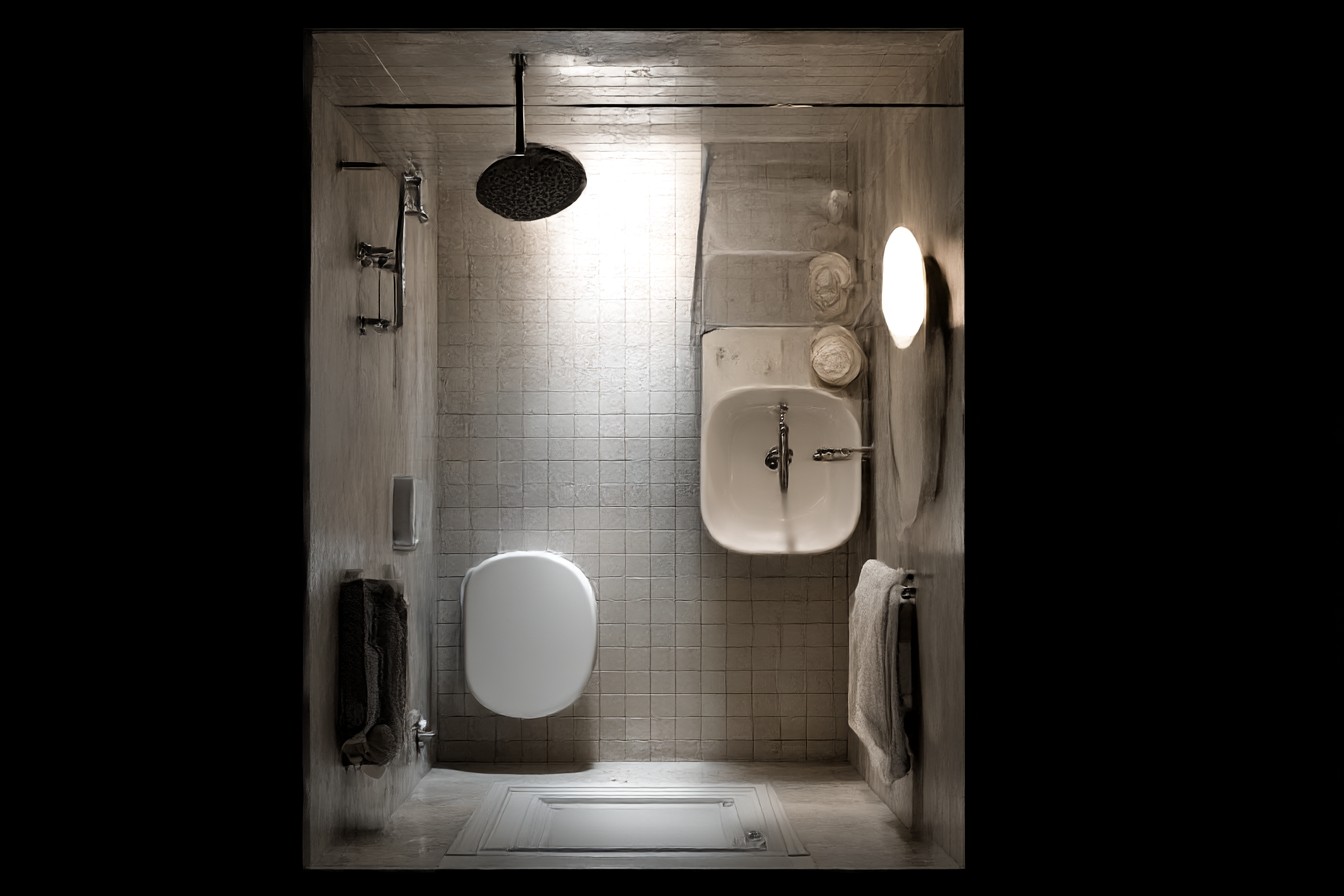
Choosing the sink was a nightmare. Must’ve looked at hundreds online, got completely obsessed with all the different types, worried about cleaning round weird shapes. Eventually just went with a simple rectangular ceramic one – white, obviously, but with slightly rounded corners so it doesn’t collect muck in the edges. Boring but practical, and practical always wins in my book.
Here’s something I wish someone had told me about tiles before I started – matte ones don’t show water spots as much as shiny ones, but they’re harder to properly clean if you get them dirty. We went with larger tiles, about 12×24 inches, because fewer grout lines means less scrubbing later. But they need to be put up perfectly or every tiny wobble shows, so definitely not a job for amateurs.
Luckily our tiler was ace. Used light grey tiles with a bit of variation in them, put them vertically on the main wall to make the room look taller. Same tiles in the shower but smaller ones on the floor for grip. Sounds simple but keeping everything consistent makes it look like we actually knew what we were doing rather than just winging it.
The lighting took me ages to get right. Read loads about how you need proper lighting for doing your makeup, mood lighting for relaxing, how overhead lights make everyone look terrible. Ended up with LED strips behind the mirror so you can actually see your face properly, a simple light for general brightness, and little spots in the shower. Sounds like loads but they’re all on dimmers so I can go from “gentle wake-up” to “find the earring I’ve dropped” depending on what’s needed.
Instead of one of those medicine cabinets that’s always too small and too shallow, I went with a big rectangular mirror right across the vanity. Reflects more light, makes everything feel wider, and you can actually see yourself from different angles. Simple black frame because it goes with everything and won’t date quickly.
Storage was the real headache. Small bathrooms collect so much stuff – shampoo, towels, cleaning bits, hair dryer, spare loo roll, all the random things that multiply when you’re not looking. Built a narrow cupboard floor to ceiling next to the shower, painted it the same colour as the walls so it doesn’t stand out. Inside it’s all organized with adjustable shelves so things don’t turn into a complete mess.
The shower was the biggest change. Ripped out the old bath (honestly, who’s got time for baths?) and put in a walk-in shower with one of those big rainfall heads plus a normal handheld one. Glass screen instead of a curtain because it doesn’t get as grotty and you can see across the whole room.
Choosing colours was harder than I expected. Wanted something that felt current but wouldn’t look dated in five years. Went with warm white walls – not stark white, not cream, something in between – with dark grey bits and the oak from the vanity. Feels calm, works with the light changes during the day, and means I can swap out towels and bits without having to repaint everything.
But what really makes it work isn’t any single thing. It’s how it all fits together, you know? Nothing looks out of place. The materials make sense. Nothing screams “look at me, I’m this year’s trend” because good design should outlast whatever’s fashionable right now.
The whole thing took about two months – would’ve been quicker but we had to work around Danny’s shifts and my other projects. Cost less than I’d budgeted too, mainly because I didn’t go mad at the expensive showrooms. More importantly, it’s been three years now and I still walk in there every morning and feel… right. Not amazed or anything dramatic, just comfortable and ready to get on with the day.
That’s the real test, isn’t it? Not how something looks in photos, but how it feels to actually live with it day in, day out.