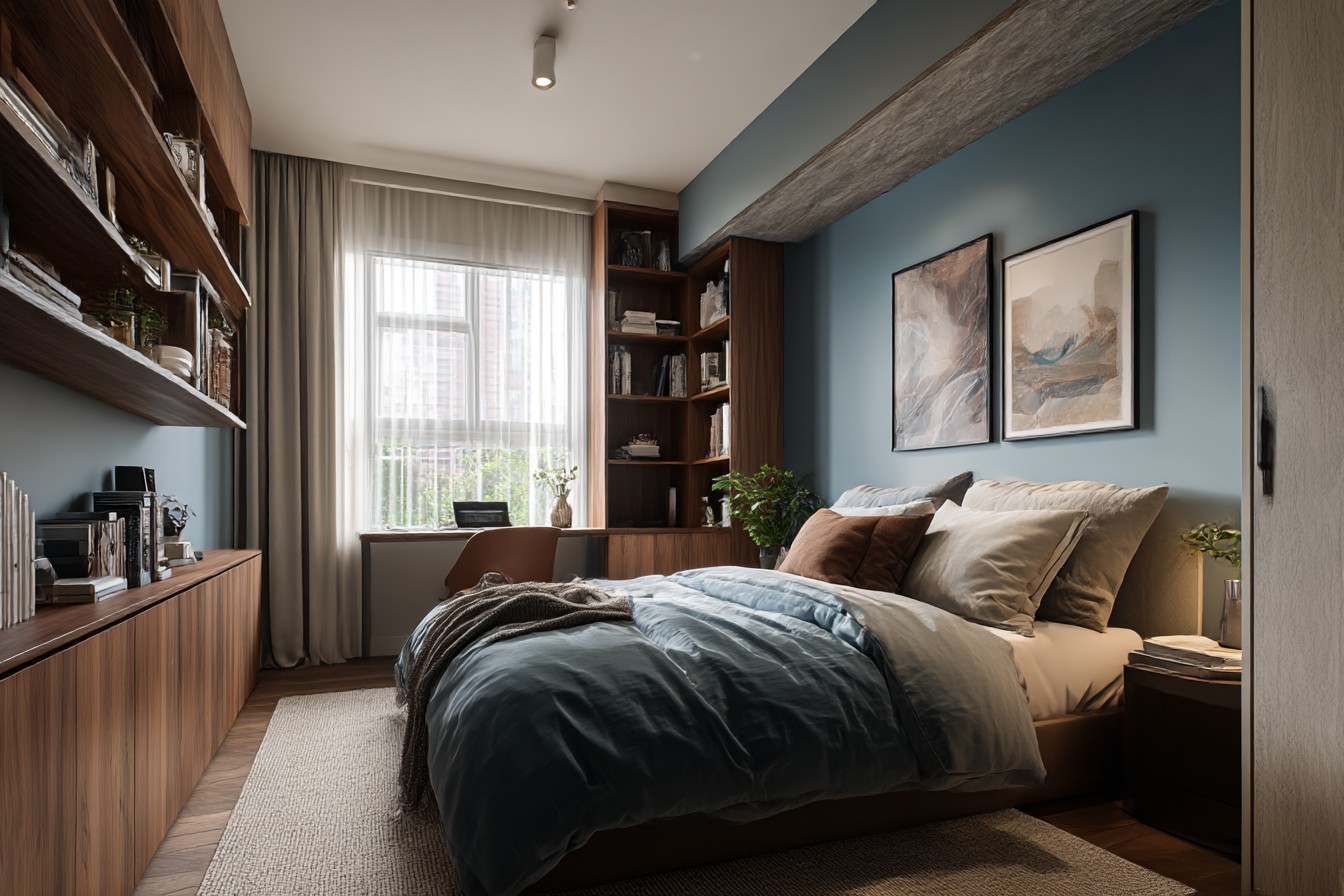
I was lying in bed one week ago, likely dodging the homework marking for Year 9 if I am to be truthful, and it hit me our bedroom does not feel as ridiculously cramped as it once did. We are talking approximately 120 square feet; roughly the size of many people’s living rooms and we seem to have achieved that magic in terms of function for the two adults using this space daily.
Prior to moving into this Victorian Conversion Flat in Easton, the bedroom was a complete disaster zone. The previous owner, in a stroke of genius, had managed to shrink an already small room further with a large, dark wood wardrobe covering almost half of the available wall space and carpet that looked as though it had not seen cleaning products since the days of Tony Blair. Approximately six months later, my girlfriend moved in, bringing a total of two people’s worth of possessions to an area which barely sufficed for one person.
It was going to be a long and expensive learning curve. One of the first very clever ideas we had was to purchase a King Size Bed because we are both tall and assumed we would need the additional space. Unfortunately, the lads who delivered the bed saw the doorway to our bedroom and burst into laughter. “You’re having a laugh, mate?” one of them asked, however we assured them they should attempt to deliver it. Eventually they managed to squeeze it through the doorway, but then we were unable to physically move around the room. I had to climb over the bed to open the window. My girlfriend had to perform a strange, sideways shuffle to reach the wardrobe. We lasted only three weeks before admitting defeat and selling the King Size Bed on Facebook Marketplace at a significant loss.
The Queen Size Bed that we purchased to replace it was a step in the right direction, but determining where to position it was an exercise in patience. All of the Design Blogs advise placing the bed centered on the longest wall in the room, however this advice is completely nonsensical for a room as small as ours. We initially attempted to follow this advice, purely based on our blind faith in the internet. However, due to the positioning of the bed, neither of us could properly access the wardrobe, nor could we both easily access both sides of the bed. Essentially, the entire room felt unbalanced. It is currently positioned slightly off-center, allowing for sufficient space to accommodate one standard nightstand and to provide clear access to the window located on the opposite side of the bed. It took my brain approximately two weeks to become accustomed to the fact that the room is not perfectly symmetrical, but functionality trumps perfect symmetry every time.
Another expensive lesson we learned was regarding the Nightstands. We purchased these lovely, matching wooden nightstands from a local Furniture Shop. As nice as they were, they consumed an enormous amount of floor space and we constantly bumped into them. They were returned to Facebook Marketplace and replaced with Floating Shelves. These Basic IKEA Floating Shelves cost £8 each. They are able to hold everything we require (phones, books, etc.) and we can also slide storage bins under them. I currently house my phone chargers and earplugs in mine, while my girlfriend stores her mystery items in hers that I will never inquire about.
Proper Military Planning was necessary to accomplish our Storage Goals. Our Wardrobe is a Narrow Victorian Wardrobe that is taller than it is wide. This is actually beneficial. We added a second hanging rail, halfway down, to essentially double the amount of space for short items such as shirts. The Fabric Shoe Organizers that attach to the back of the door are absolutely brilliant. Ours houses belts, scarves, ties, and all other miscellaneous items that previously lived in drawers. The upper shelf houses Clear Storage Bins for out-of-season clothing. Each Bin is clearly labeled because, to put it bluntly, my brain does not function without labels.
With the limited Floor Space, Under-Bed Storage was Non-Negotiable. We purchased a Bed Frame with Built-In Drawers. To be honest, the quality of the bed frame is not the best. The runners on the drawers tend to get stuck, and one of the drawer fronts is slightly warped. If I were to do it all over again, I would simply purchase a basic bed frame and slide storage bins underneath. More affordable, and far more flexible, especially when storing larger items on occasion.
Our Walls Work Overtime in Our Bedroom. Anything that could be mounted, was mounted. There is a Swivel Arm mounted to the wall for our TV (Sunday Morning Netflix is NOT Optional), floating shelves for books, and even jewelry storage. I discovered some Shadow Box Items that mount to the wall and hold earrings and necklaces right next to the dresser. Save Drawer Space, Looks Quite Neat, Actually.
Our Dresser is Tall and Narrow vs Low and Wide. Provides more storage space in less floor space. The Top of the Dresser serves as a Vanity Area with a Mirror and the essentials I use each morning. All of our remaining items reside in the Bathroom, as there is no reason to duplicate Storage Areas when Space is Limited.
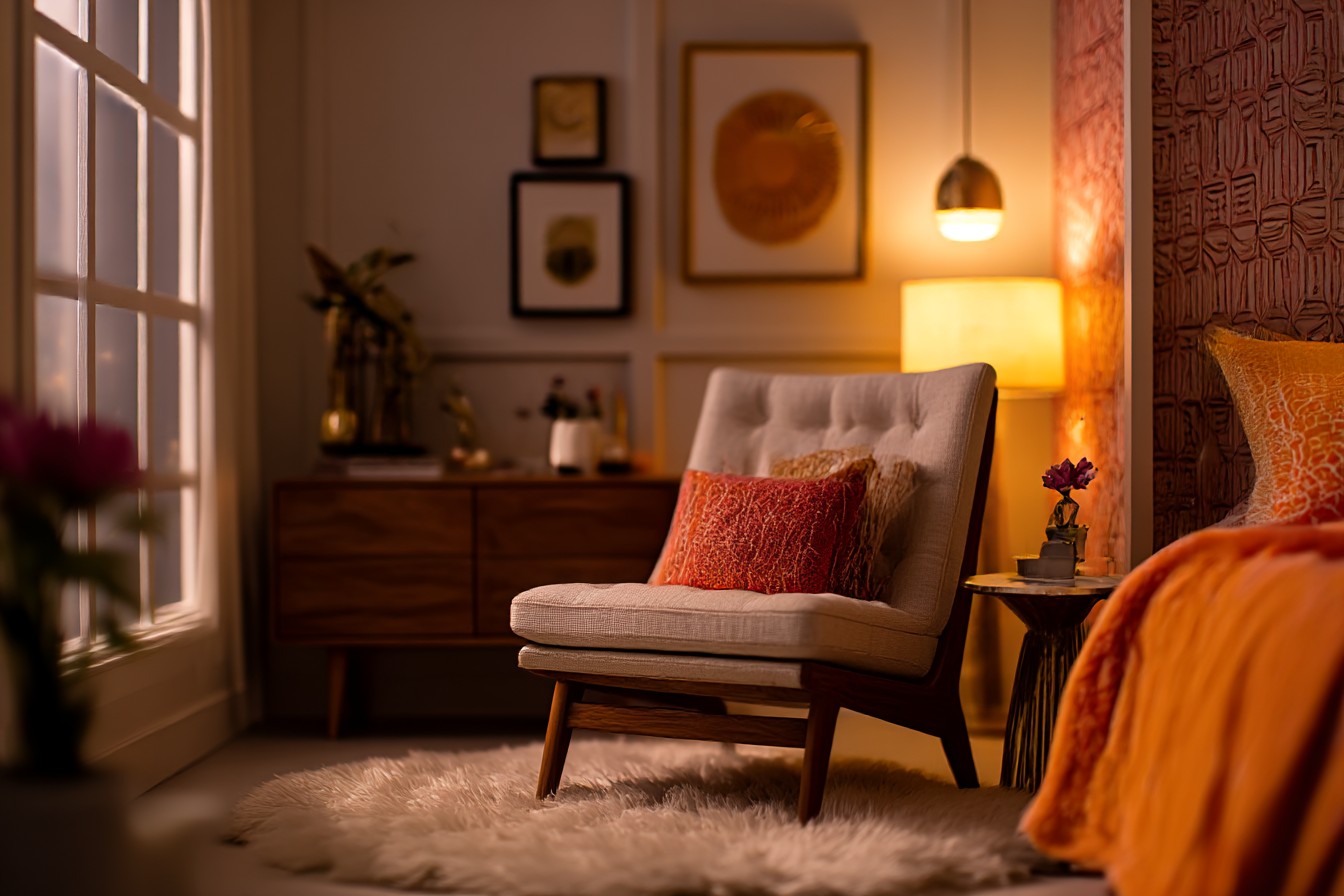
Lighting Required More Thought Than Expected. That Central Ceiling Light makes the Room Feel Harsher and Smaller in Some Way. We Have String Lights Along the Headboard Wall (Yes, Like Students, But Classier), a Small Lamp on the Dresser, and Bedside Lamps Clipped to the Floating Shelves. Using Multiple Light Sources Creates the Feeling of a Larger Space and Warmer Atmosphere. Plus, When One of Us Wants to Read and the Other Wants to Sleep, We Have Options.

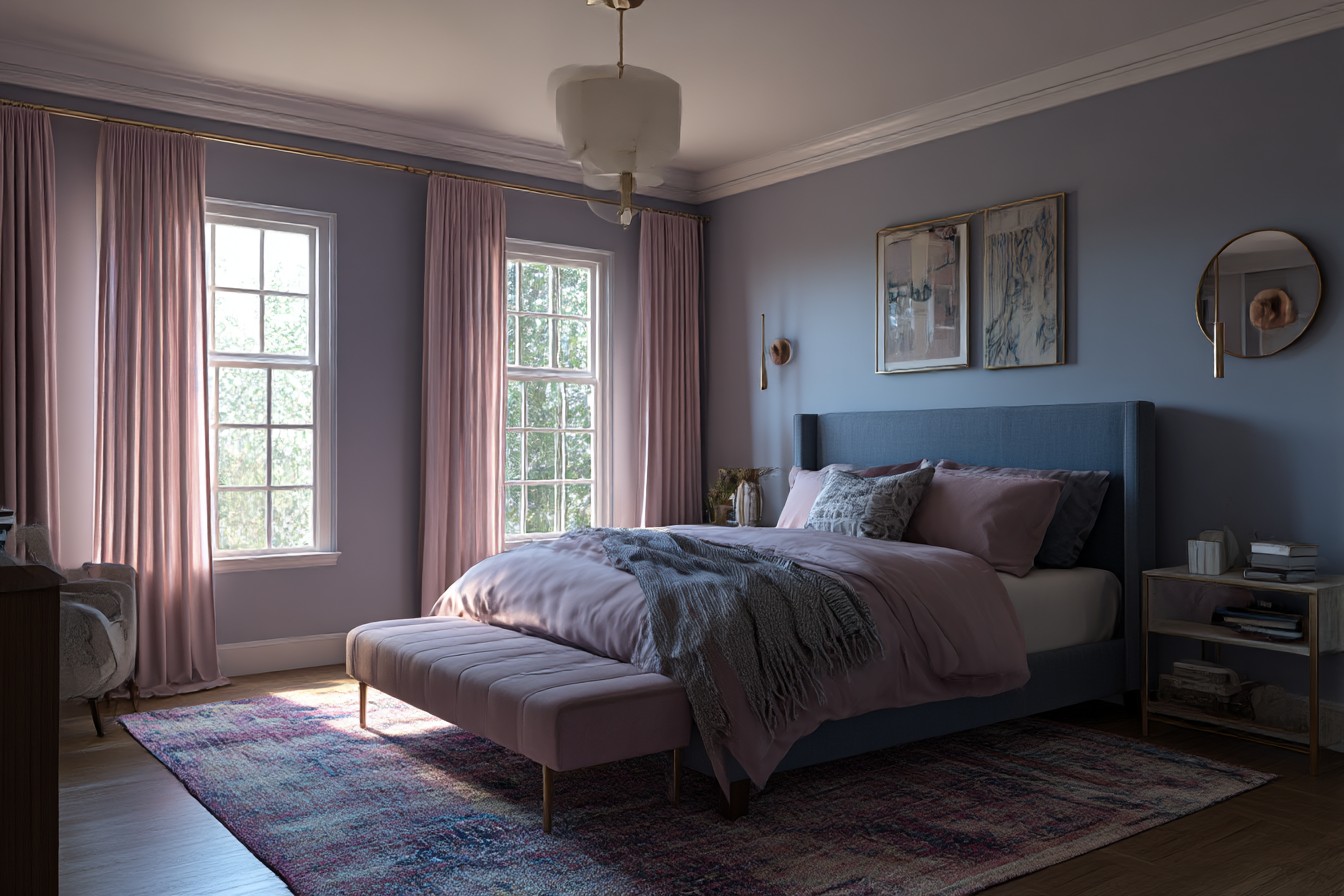
The Paint Color Was an Accidental Decision, but Works Perfectly. We Had Planned to Do Plain White, but the Store Miscalculated the Order and We Ended Up with a Soft Gray-Blue Instead. Rather than Wait Another Week, We Went With It, and It Has Been Brilliant. It Makes the White Ceiling Look Higher and Creates a Calm Feeling Without Being Uninteresting. Most of our Bedding is White and Cream, with Navy Accents. No Busy Patterns Because Busyness Creates Chaos in Small Spaces.
Window Treatments Are Far More Important in a Tiny Room Than You Would Think. We Hung Blackout Curtains Close to the Ceiling and Extended Them Wider Than the Actual Window. Tricks Your Eye Into Thinking Both the Window and Room Are Larger Than They Actually Are. During the Day When They Are Open, All the Light Makes the Space Feel Less Cramped.
The Greatest Lesson Learned Over Three Years Is That Everything Must Earn Its Place. That Decorative Bowl That Simply Sat There Looking Pretty? Gone. The Chair That Became a Clothes Mountain Every Evening? Relocated to the Living Room Where It Can Be Used. Additional Throw Cushions That Were Chucked On the Floor Every Evening Before Bedtime? Sent to Charity Shop. In 120 Square Feet, EVERYTHING Must Be Functionally Useful or Beautiful Enough to Justify the Space It Occupies.
We’ve Stopped Thinking About the Room As Small Now. It’s Simply… Ours. It Functions How We Need It To Function, Holds All Of The Things We Need It To Hold, And Feels Comfortable Rather Than Cramped. Sometimes Good Design Isn’t About Having More Space It’s About Making the Space You Have Feel Exactly Right For How You Actually Live