Right, so picture this – it’s half past two in the morning and I’m lying in bed listening to what sounds like Niagara Falls every time someone upstairs flushes their toilet. Brilliant. Turns out the previous owners of our Bulwell terrace had done some “creative” plumbing work, running new pipes through what used to be a coat closet right next to our bedroom. Every flush, every tap turning on, every gurgle – it was like having a percussion section rehearsing in the wall.
Danny just shoved a pillow over his head and carried on snoring, but I’m one of those people who can’t sleep once something’s wound me up. So there I am, wandering about in my pyjamas with the torch from my phone, having a proper look at this weird space between our bedroom and the hallway. It was just sitting there, doing absolutely nothing except amplifying plumbing noises like some sort of acoustic nightmare.
And that’s when it hit me – why wasn’t this a bloody bathroom? The pipes were already there making a racket anyway, it had decent height, and I was getting properly fed up with guests having to trek upstairs every time they needed the loo. Especially when we had people round for dinner – you know how it is, someone always needs to disappear right when you’re serving up.
I’d been thinking about these closet bathroom conversions ever since I’d seen what my mate from the old Boots days had done with her under-stairs cupboard. Turned it into this gorgeous little powder room with a tiny basin and wallpaper that made you completely forget you were in what used to store her hoover and mop bucket. But I’d always assumed it was one of those massive jobs – you know, structural engineers, walls getting knocked about, the sort of thing that costs a fortune and takes months.
Turns out I was massively overthinking it. Like, really overthinking it.
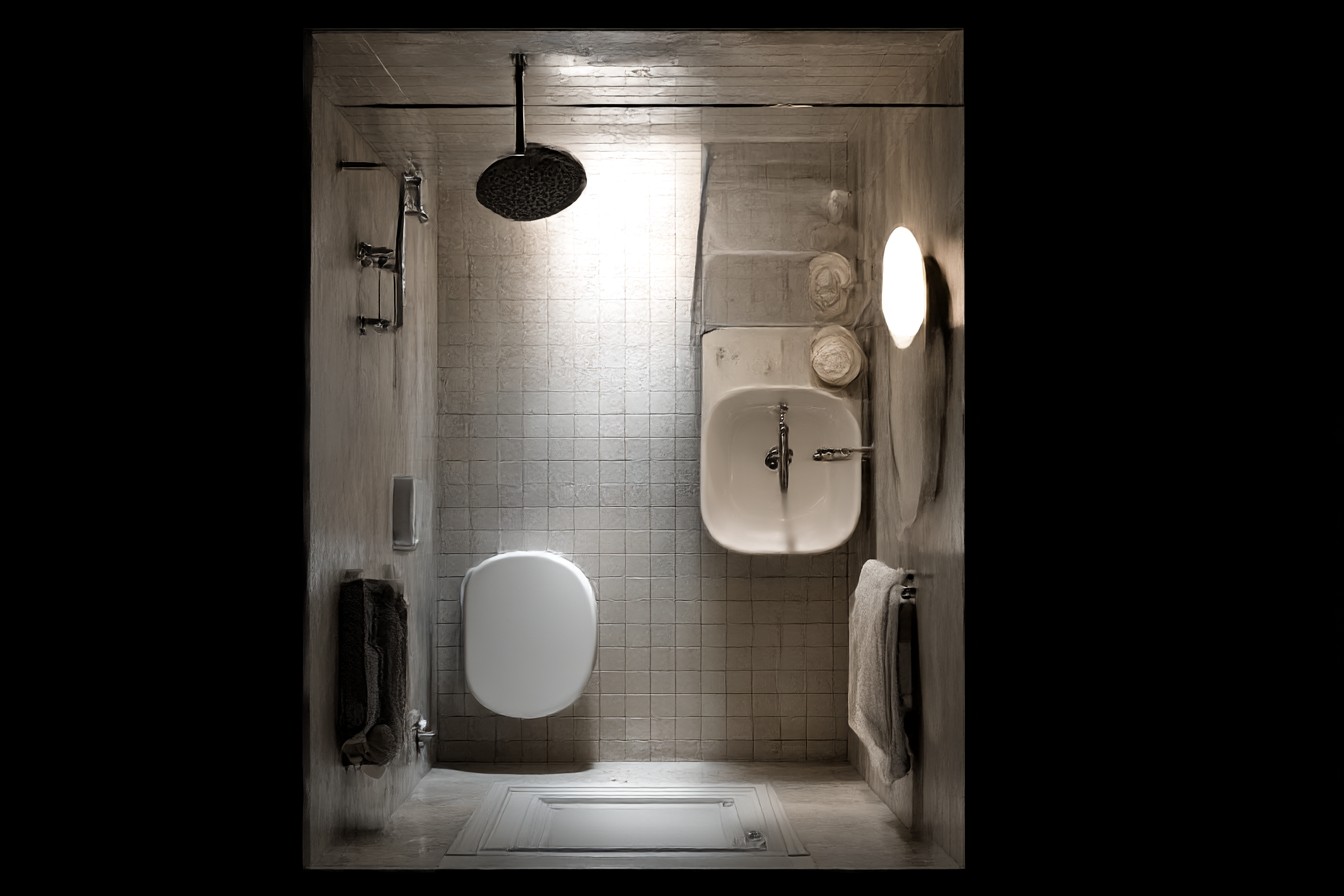
The thing about working with existing closets is you’ve already got your boundaries sorted. No worrying about load-bearing walls, there’s usually electrical stuff nearby already, and often there’s some kind of ventilation going on. Our coat closet was roughly four feet by two and a half feet, which sounds absolutely tiny until you realize that’s actually quite generous for a downstairs loo. I’ve been in restaurant toilets that were smaller than that.
The plumbing side had me properly nervous though, I won’t lie. Spent ages watching YouTube videos about waste pipes and venting requirements, convinced I’d end up having to dig up half the ground floor. But here’s what nobody tells you when you’re spiralling about these things – if you’re putting in a toilet and small sink close to existing plumbing, which most closets are, the extra connections are often dead straightforward.
Got our plumber Dave round to have a look – he’s this lovely bloke who’s worked on half the houses in our area and never makes you feel stupid for asking questions. Took one glance at the space and went, “Yeah, no problem. We can tap into that main line easy enough. Couple of days’ work, tops.”
Course, I had to get my head around building regs first. Some councils are dead fussy about clearances – usually you need about fifteen inches from the centre of the toilet to any wall, and at least twenty-one inches in front so you’re not banging your knees. Our space just about squeezed those measurements, though I had to bin my original idea of a fancy wall-mounted sink and go for a compact corner one instead.
Went with a standard toilet but made sure to get the most compact model I could find. Turns out those “comfort height” ones are lovely if you’ve got loads of space, but every inch counts when you’re working in what used to be a cupboard. The corner sink was honestly a game-changer – can’t believe how much room you get back by not trying to centre everything perfectly. Cost me £180 for a decent ceramic one, compared to the £350-plus I was looking at for wall-mounted options that probably wouldn’t have fit anyway.
Ventilation nearly scuppered the whole thing before we’d properly started. Building control insists on mechanical ventilation in bathrooms without windows, and I was convinced that meant major ductwork running all over the house. Nope – just needed a simple inline fan connected to the light switch, ducted through the exterior wall. Lucky for me, that wall was accessible from inside the closet, so Dave didn’t have to start ripping up floorboards or anything mental like that.
The actual hole-cutting was terrifying though – nothing quite prepares you for watching someone drill through your house with a four-inch core bit. But the installation itself only took about an hour once the hole was sorted.
Electrical work was straightforward enough since the closet shared a wall with the hallway, where there was already a light fitting. Running new cable through the wall cavity and putting in a proper bathroom-rated switch took Dave another few hours. I decided to splash out on a motion-sensor light because honestly, fumbling around for switches in a space that small gets old really quickly.
Made a right mess of the lighting though – that was my biggest mistake. I assumed the existing closet light would be fine, but small spaces actually need more light, not less. Especially when you’re trying to see yourself in a mirror without looking like something from a horror film. Ended up adding LED strip lighting around the mirror frame later on, which looked deliberate enough but was really just me trying to fix my own oversight.
Spent weeks agonizing over flooring. The original closet had carpet – I mean, who carpets a closet? – and I knew I needed something waterproof but didn’t fancy cold tiles in a space without any heating. Luxury vinyl planks turned out to be perfect. Warm underfoot, completely waterproof, and they actually look like proper wood if you don’t examine them too closely. Went for a lighter shade thinking it’d make the space feel bigger, though darker probably would’ve hidden scuffs better.
Storage became absolutely crucial once everything was installed. You don’t realize how much you depend on bathroom storage until you’re in a space barely big enough for the actual fixtures. Put up a narrow shelf above the sink for the basics, and managed to squeeze a small wall cabinet in opposite the toilet. Everything has to earn its place in there – no room for fancy decorative bottles or piles of spare towels.
The paint choice nearly did my head in. Dark colours would’ve made it feel like being inside a shoebox, but pure white felt too clinical and cold. Settled on this soft grey-blue that somehow manages to feel both cozy and clean. Went with semi-gloss finish because flat paint in any bathroom is just asking for trouble, especially somewhere every surface might get splashed.
Total cost came in around twelve hundred quid, including Dave’s time and the electrical bits. That’s probably a third of what a proper full bathroom renovation would’ve set us back, and I got a downstairs loo without losing any actual living space.
The difference it’s made is mental. People don’t think twice about popping round now, and I’m not constantly having to clean upstairs because everyone’s not tramping through there constantly. Plus there’s something dead satisfying about opening what looks like a cupboard door and revealing a perfectly good bathroom – it’s like a party trick that never stops being amusing.
Would I do anything differently? Definitely sort the lighting properly from the start, and maybe spend a bit more on the mirror. But honestly, turning that weird pipe-filled space into something genuinely useful has been one of my better household decisions. Sometimes the best renovations work with what you’ve already got rather than fighting against it.