As I recall the time I walked into my friend’s bedroom and saw this enormous reclining chair that seemed to dominate half the space. It was as though they’d crammed a living room chair into a sleeping area and suddenly it all felt a bit off. For years, I thought recliners were only meant for living rooms until my mom suffered from chronic back pain a few years back and really needed a comfortable chair to sit/lie in her bedroom. That was when I learned that not all recliners are equal specifically, “just any recliner” and “a great recliner for a bedroom.”
Most recliners are designed for living rooms expansive areas where you can fully recline and not knock anything or block any closet. Bedrooms, however, require something much more thoughtful, much more compact. A recliner that makes you feel like you’re sleeping in a furniture store.
After seeing my mother try to find a comfortable seat using a full-size recliner that dominated her entire room and even touched the edge of her bed when fully reclined, I began searching for a recliner that was suitable for a bedroom. The recliner itself was nice very soft leather, plenty of back support but it looked out of place. And because it was so large, it blocked almost the entire width of the room.
What I found early on was that “compact” does NOT always equal “uncomfortable.” I found a recliner that measured 28 inches wide (just big enough to squeeze into the corner of nearly any bedroom without shouting, “I’m a stranger!”). What I hadn’t realized was that I needed to find a recliner with a reduced back-to-wall clearance. Regular recliners need roughly 36 inches of clearance behind the backrest to lie flat. This little recliner only needed 18 inches of clearance. That was a total game-changer.
However, it wasn’t long before I made my first mistake (of course). I assumed that manual would be better than power for a bedroom. WRONG. My mother used the manual recliner for approximately three weeks and struggled each time she wanted to move the chair. She hated dealing with the lever and pushing back against the resistance of the chair. That was exactly the opposite of what she was looking for.
Back to square one. Power recliners are … GREAT. However, they present a number of new problems. First, you must determine how to place the cords. There is nothing that destroys a bedroom’s ambiance faster than having an extension cord running across the floor to get to an electrical outlet. I learned this the hard way when the first power recliner I bought had a cord that was only 4 feet long. We had to rearrange half of the furniture in her bedroom just to plug the thing in.
To solve the problem of the cord, you simply need to purchase a recliner with a longer cord (preferably 8-10 feet) OR install an outlet near the location of the recliner. Yes, installing an outlet is a costly endeavor, but it will ensure a clean look and keep people safe. Who wants to trip over a charging cord on the way to bed at 2 AM?
Another issue I experienced is that power recliners are generally larger than manual recliners due to the size of the motors. Again, the difference is minimal (about 2-3 inches). However, in a bedroom where every inch counts, this difference may be important. I made this mistake with my aunt’s bedroom last year. The chair fit perfectly through the doorway, looked perfect in the show room, but after we put it in front of her night stand, the proportions were all wrong.
Now, on to what I’ve learned about what actually works. After testing 5 different recliners in 3 bedrooms (yes, I become the family recliner expert), I have concluded the following: Wall hugger recliners are a must for bedroom use. These recliners allow the user to recline while remaining extremely close to the wall often only 6 inches away from the wall. A huge advantage for smaller bedrooms.
When choosing the material of the recliner, I’ve learned that bedrooms are more sensitive to the material than living rooms. The beautiful leather recliner that looks fantastic in a living room, can feel cold and uninviting in a softer bedroom. I have been far more successful using fabric for the recliner. Fabric has a softer look and feel that fits perfectly in a bedroom. Also, fabric doesn’t produce that squeaky leather sound that occurs whenever you adjust your position. (Squeaky furniture is the worst enemy of bedroom serenity.)
I have also learned that storage is something that I did not initially consider. Some recliners have built-in side pockets or cup holders. Sounds convenient, right? However, storing your reading glasses and water bottle in a chair is just a distraction. It creates visual clutter. Clean, simple lines work best in bedrooms.
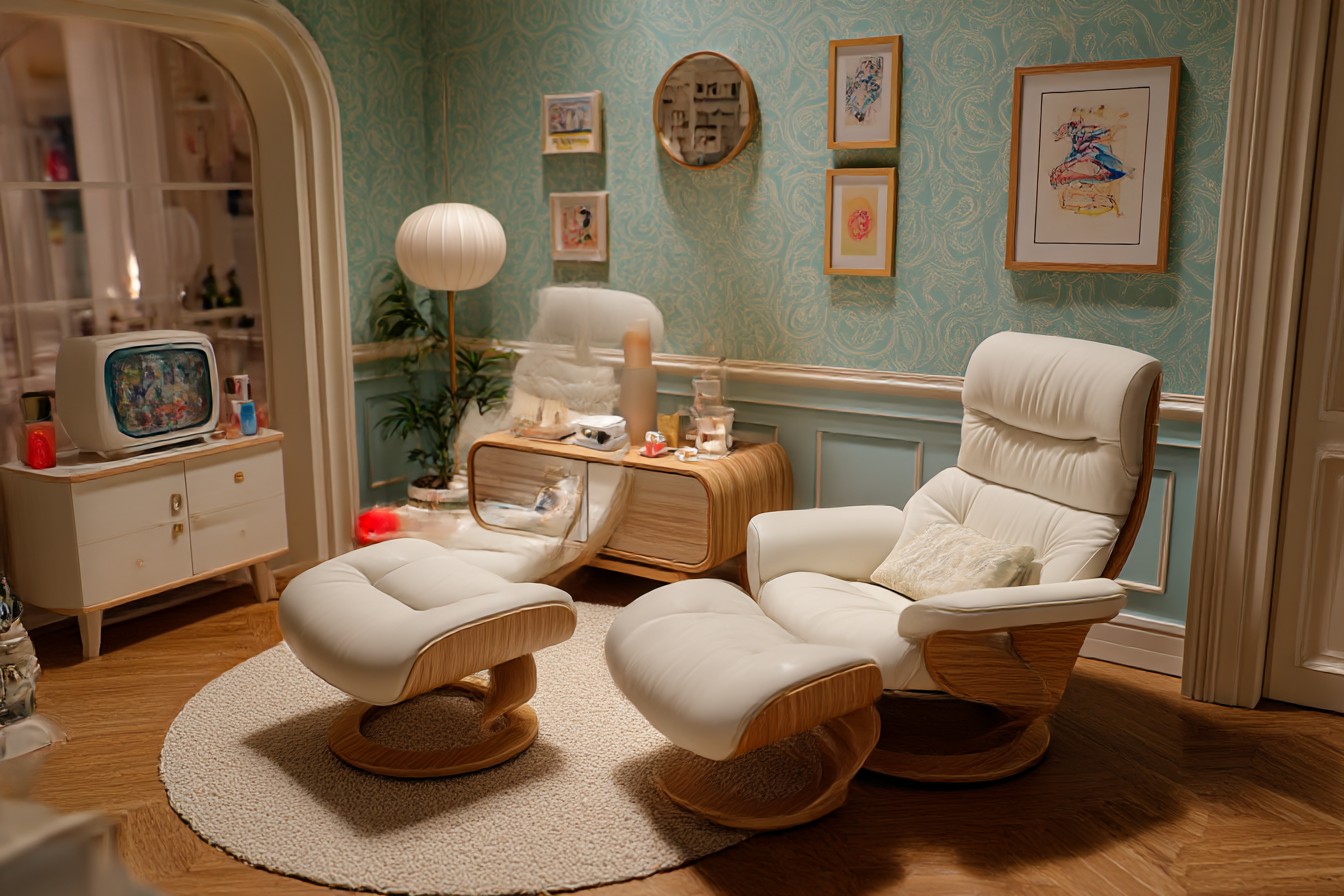
Color coordination is something that I learned to pay attention to when I added a recliner to my sister’s bedroom. Although individually both the recliner and bedroom decor were wonderful. When combined, the color scheme reminded me of a recliner from someone else’s house. It is much easier to choose neutral colors or colors that match other items in the bedroom.
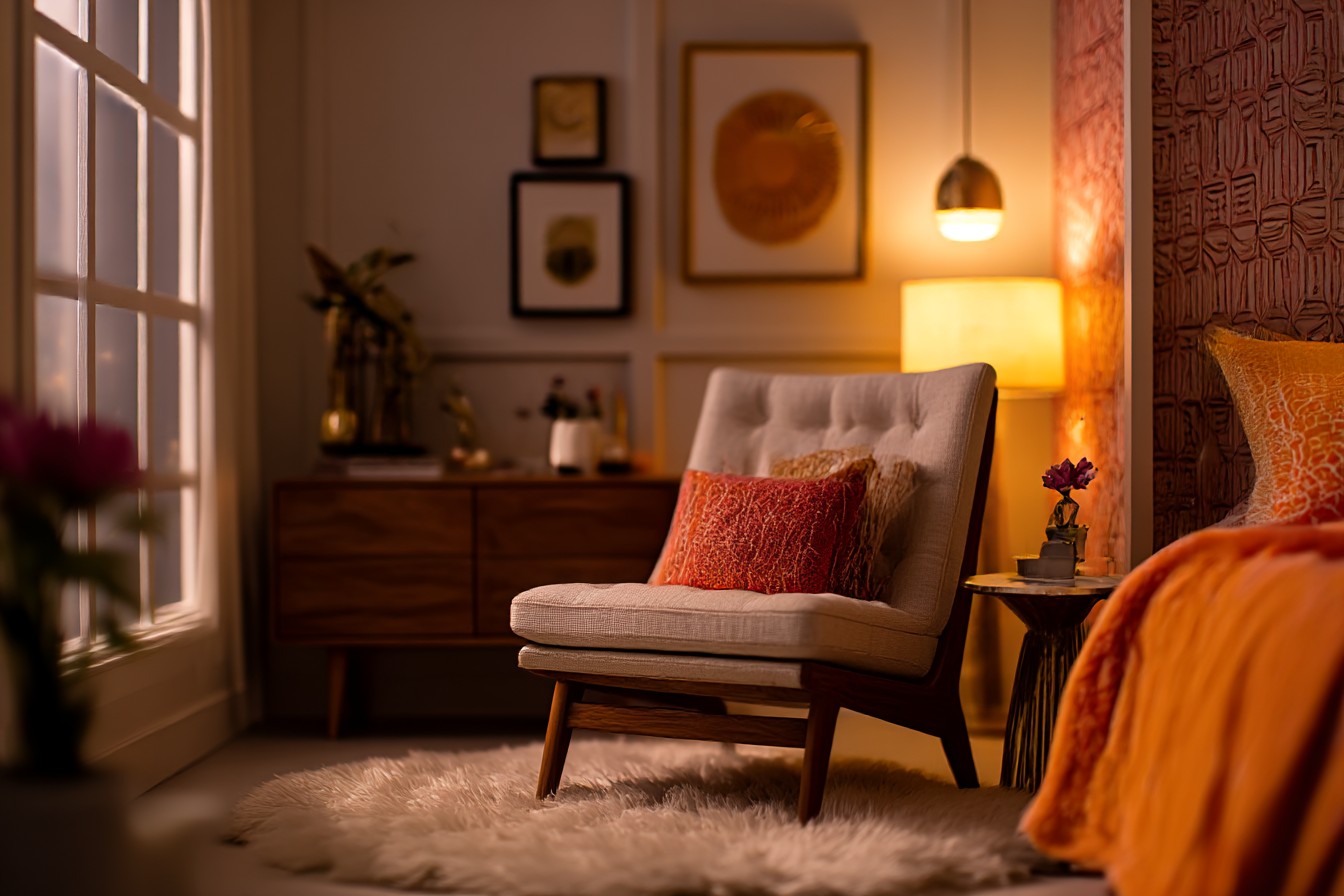
Placement was a process of trial and error. At first, we placed the recliners directly in front of the beds. Seemed logical since you could easily read. However, it created a strange conversation area. Much better placement is to angle the recliners toward windows to catch natural reading light or position them to be angled toward corners of the room where you can see both the door and the outside. Creates a cozy reading nook instead of a recliner that just lies flat.
Lastly, and possibly silly, test the recliner at different times of the day prior to purchasing. The perfect morning reading position may cause harsh shadows by evening. The afternoon sun may reflect off the glass top of the coffee table and glare right in your eyes. I spent a whole weekend testing my mom’s final choice at various times of the day and we ended up adjusting its placement two additional times to find the correct position.
A correctly sized recliner for a bedroom can transform it into a true sanctuary. On the other hand, the wrong one will be a waste of money. Measure carefully, take note of your typical usage habits, and do not hesitate to return a product if it does not meet your expectations.