Last week, my mum’s friend Priya finally moved out of the massive four-bedroom house she’d been living in alone for three years since her kids moved out. I helped her shift some furniture to her new one-bedroom place – this gorgeous 620-square-foot cottage near the city center – and honestly, watching her reaction was brilliant. She kept walking around saying “I can make a cup of tea and still see the telly from the kitchen!” Like she’d discovered something revolutionary.
Which got me thinking… we’ve been completely brainwashed about home sizes, haven’t we? Somewhere along the line we decided that bigger automatically equals better, even when half the rooms sit empty except for when you’re dragging the hoover through them once a week. I’ve been obsessing over small space design for years now – partly because my own flat is compact, partly because I keep helping friends and family navigate these transitions – and I’m convinced we’ve got it backwards.
My neighbor Dave (lovely bloke, retired teacher) spent fifteen years rattling around in this four-bedroom semi after his wife passed. He’d joke about needing a map to find his way to the spare bathroom, but underneath the humor you could tell it was depressing him. All those empty rooms, massive heating bills, constant maintenance issues because there’s just more stuff to go wrong when you’ve got more space. For what? Storage for Christmas decorations and that treadmill nobody’s touched since 2019?
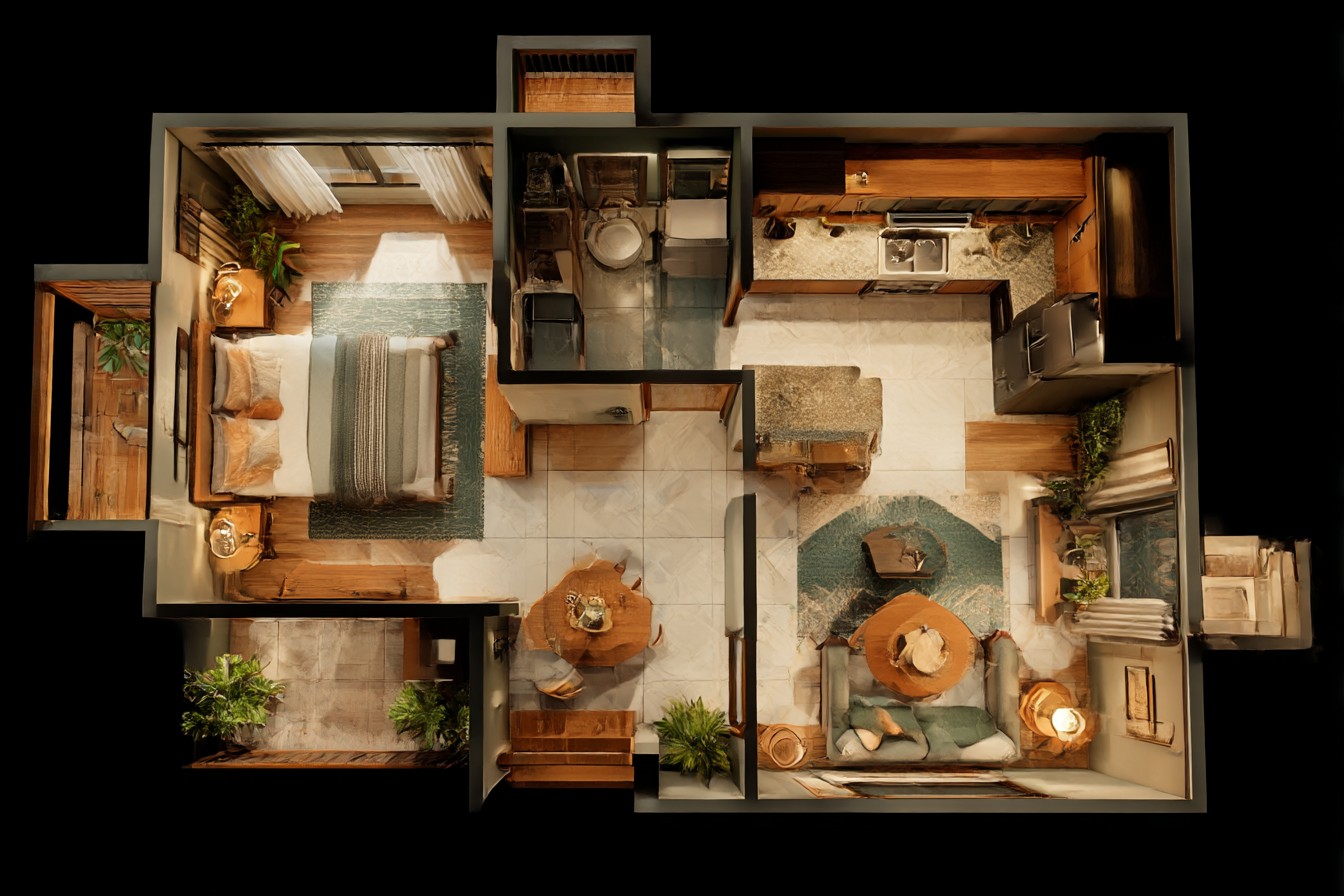
The thing is, when I started looking at one-bedroom house plans – properly studying them, not just scrolling through Pinterest – I realized the good ones aren’t about cramming everything into less space. They’re about being incredibly intentional with every square foot. No wasted corridors, no rooms that exist just because “houses are supposed to have X bedrooms.” Every bit of space earns its keep.
I’ve been documenting different small home designs for about two years now, originally for my own reference because I was thinking about downsizing myself, but also because I kept seeing people make this transition with wildly different results. Some end up in spaces that feel cramped and depressing, others land in places that feel more luxurious than houses twice the size. The difference isn’t luck – it’s planning.
The best one-bedroom layouts I’ve come across work like a good software interface (sorry, occupational hazard) – they’re intuitive, efficient, and you don’t notice the clever bits because they just feel right. Picture walking into a space where everything flows naturally. You might have a small entry area that opens into the main living space, but instead of seeing everything at once, the layout reveals itself as you move through. Kitchen tucked around a corner so it feels separate but connected. Bedroom that flows from the living area but maintains privacy.
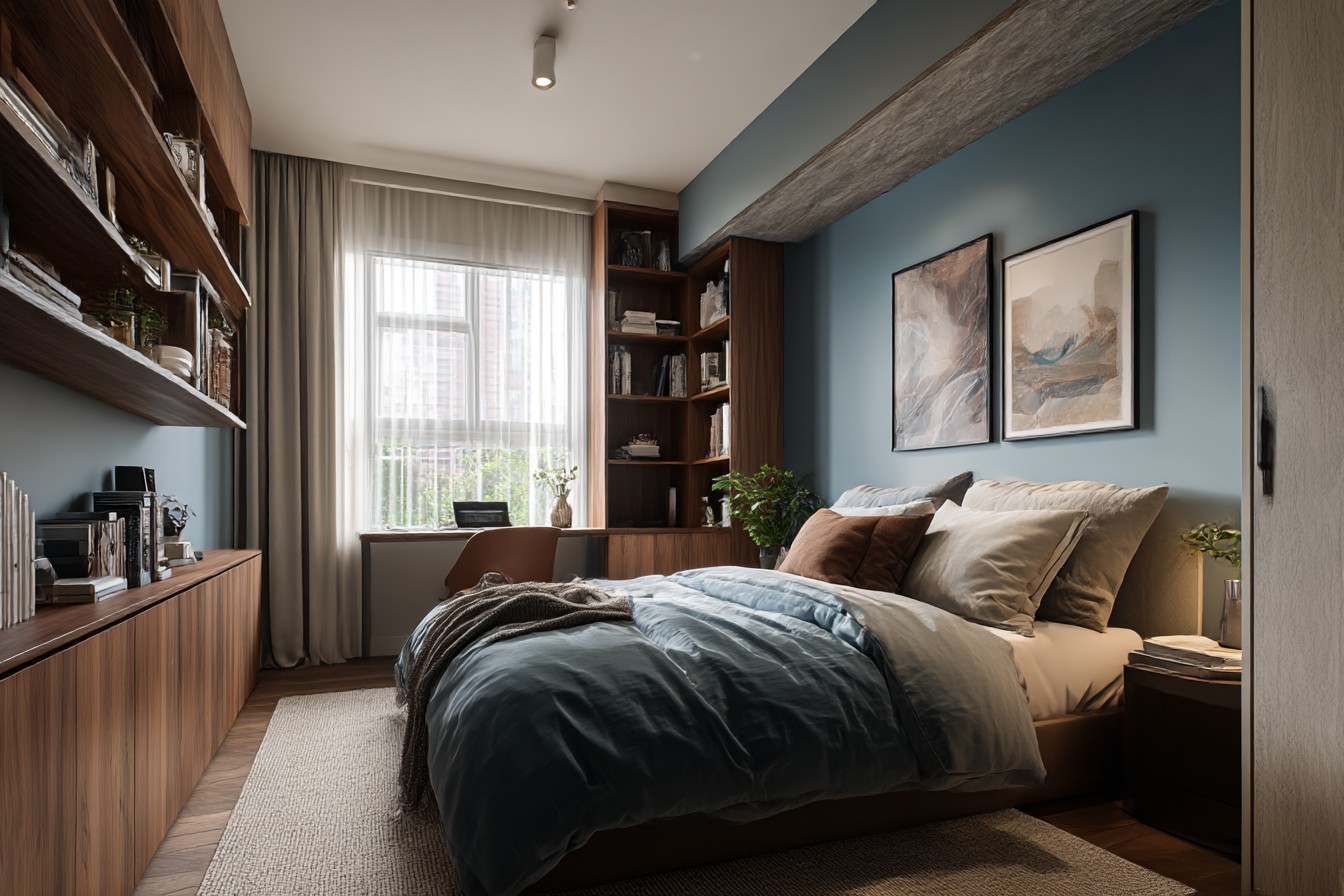
I toured this incredible 560-square-foot place in Leeds where the architect had created distinct zones without building walls everywhere. The sleeping area was on a slightly raised platform, separated from the living space by this beautiful built-in storage unit you could see through. Brilliant solution – you got privacy without that horrible “cardboard box” feeling that ruins so many small spaces.
Open plan design works amazingly in one-bedroom homes, but not how most people think. It’s not about knocking down every wall and creating some vast empty warehouse. It’s about strategic openness. Your kitchen should definitely connect to the living area because that’s where life happens – nobody wants to feel isolated while they’re making dinner or washing up. But you still need visual breaks, places where your eye can rest instead of seeing everything at once.
Storage becomes absolutely crucial in these spaces, and this is where I see people waste ridiculous amounts of money. They assume they need all this special “small space furniture” that costs three times normal prices and works half as well. Complete waste. The trick is thinking about storage as part of the architecture, not an afterthought you solve with expensive gadgets from some Danish furniture store.
Under-bed storage sounds obvious, but most people do it wrong. I definitely did initially – just shoved plastic boxes under my bed frame and created this nightmare dust-bunny situation I could never properly clean. Much better approach? Platform beds with proper built-in drawers, or even better, a slightly raised sleeping area with steps that double as storage cubbies. Costs more upfront but actually works.
Window placement can make or break these smaller homes. I’ve seen one-bedroom plans that felt like underground bunkers because the architect got obsessed with how the outside looked and forgot people need natural light to not go mental. Good natural light doesn’t just make spaces look bigger – it makes them feel alive. Corner windows are brilliant, skylights obviously, even interior windows between rooms if you can manage it.
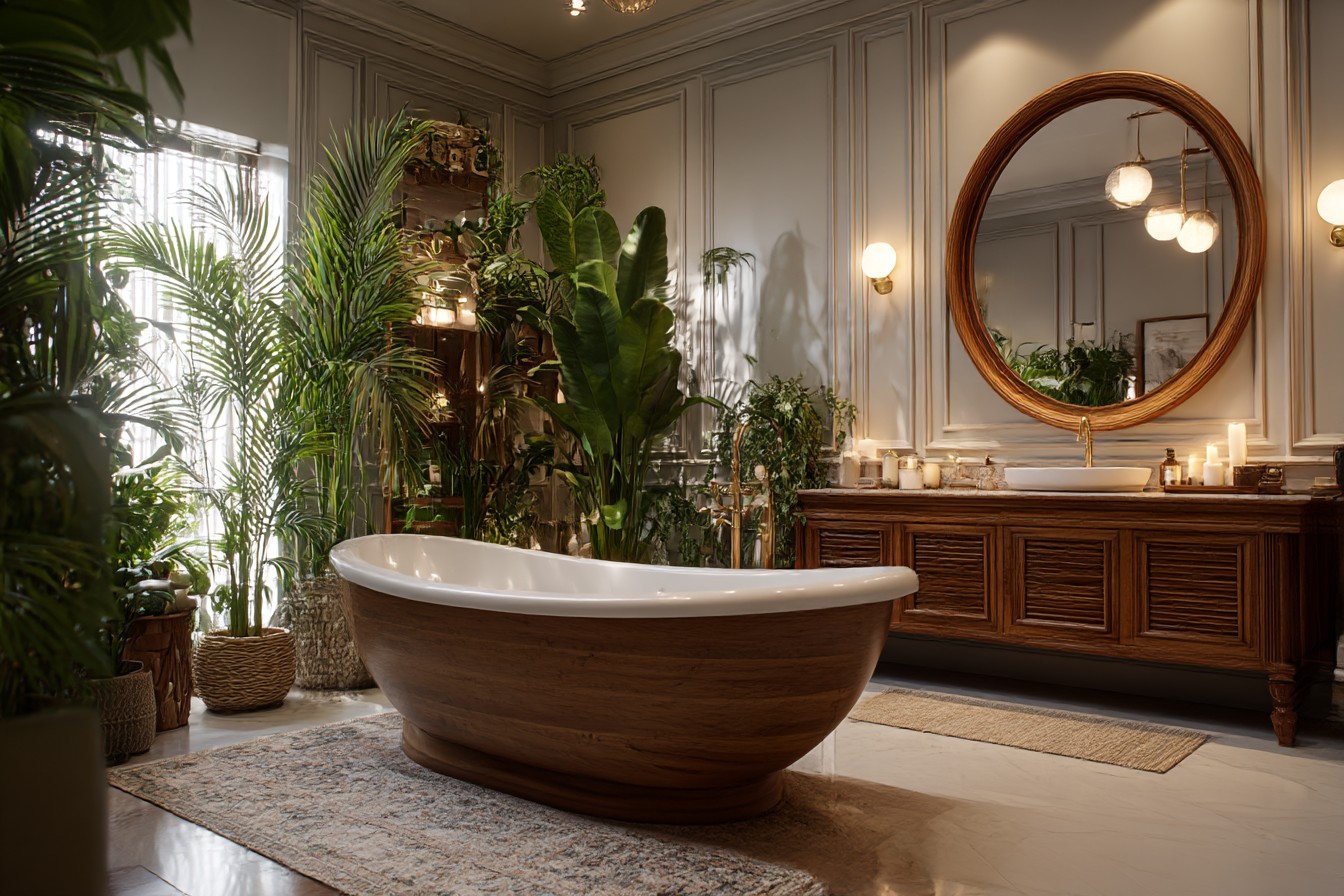
The bathroom needs special attention in one-bedroom homes because it’s often your only properly private space. This isn’t where you should go tiny just to save a few square feet. A cramped bathroom makes the whole house feel like you’re compromising on everything. I’ve been in 35-square-foot bathrooms that felt spacious because every decision was smart, and 70-square-foot ones that felt like prison cells because nothing worked properly.
Heating and cooling becomes a genuine advantage with smaller homes – not just for your bills (though that’s nice) but for comfort. My mate Simon downsized from this massive Victorian terrace to a 680-square-foot new build and cut his energy costs by more than half. But the real win? Every room is always the perfect temperature. No more wearing jumpers indoors because heating the whole place properly would bankrupt you.
The outdoor connection matters more when you’ve got less indoor space. Even a small patio or balcony can effectively double your living area when the weather’s decent. I’ve seen one-bedroom places with massive sliding doors opening onto decks – basically creates one huge indoor-outdoor room for half the year. Try doing that when you’re trying to climate-control 3,000 square feet.
Quality over quantity becomes your whole philosophy with these spaces. Instead of three mediocre bedrooms, you get one fantastic bedroom with proper storage and windows on multiple sides. Instead of a formal dining room you use twice a year, you get a kitchen island that works perfectly for daily meals and doubles as workspace when needed.
The maintenance factor alone should sell people on this idea. Saturday morning cleaning takes an hour instead of your entire weekend. You can afford to upgrade fixtures and finishes because you’re covering way less area. That gorgeous engineered wood flooring you couldn’t justify for a whole house suddenly makes perfect sense for 600 square feet.
People always worry about resale value with smaller homes, but honestly? In my experience, well-designed one-bedroom houses sell faster than badly planned larger ones. Buyers today – especially empty nesters and younger professionals – actually understand the value of efficiency and thoughtful design over pure square footage. Finally.
The key is making every design decision intentionally, not just defaulting to “small space solutions” that feel like you’re camping in your own home. Your one-bedroom house should feel like the perfectly edited version of a larger house, not like you’re making do with less. There’s a massive difference between those two things.