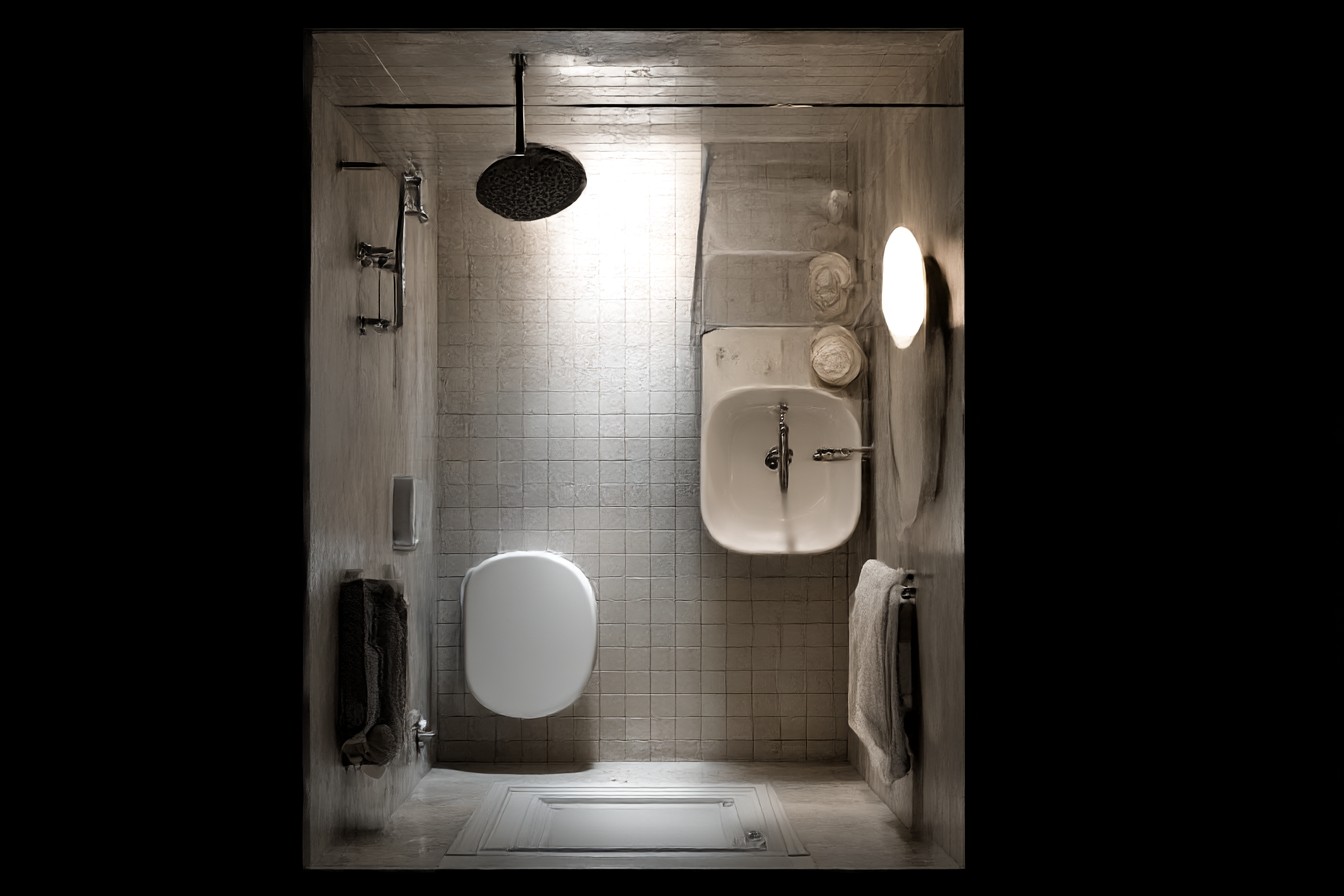
You know what’s properly humbling? Standing in what’s technically classified as a “powder room” but feels more like someone installed a toilet in a broom cupboard and called it a day. I had this exact experience at my mate’s new place in Didsbury – opened the door expecting, well, a bathroom, and instead found myself in what I can only describe as a space where you could simultaneously wash your hands, use the loo, and touch both walls without stretching.
I’ve tackled quite a few small spaces over the years, but there’s something uniquely brutal about a half bathroom that’s genuinely tiny. We’re talking proper shoebox territory here – spaces where opening the door requires careful choreography to avoid smacking it into the toilet, where the sink is positioned so close to everything else that washing your hands feels like you’re playing Twister.
But here’s the thing I’ve figured out after working on several of these pocket-sized disasters: you can actually make them work brilliantly if you stop fighting the dimensions. The secret isn’t pretending they’re bigger than they are – it’s about making every single element earn its place and working with what you’ve got rather than against it.
First mistake I see everyone make? Trying to cram in a standard vanity unit because that’s what bathrooms are “supposed” to have. Did this myself in my first attempt – tried shoving a 60cm cabinet into a space that really needed something half that size. Looked absolutely ridiculous, like I’d furnished a doll’s house with normal-sized furniture. These days, I start with corner sinks if the plumbing allows it. Proper corner pedestal sinks exist specifically for spaces like this – sure, you lose storage, but you gain precious floor space that makes the difference between feeling trapped and feeling… well, less trapped anyway.
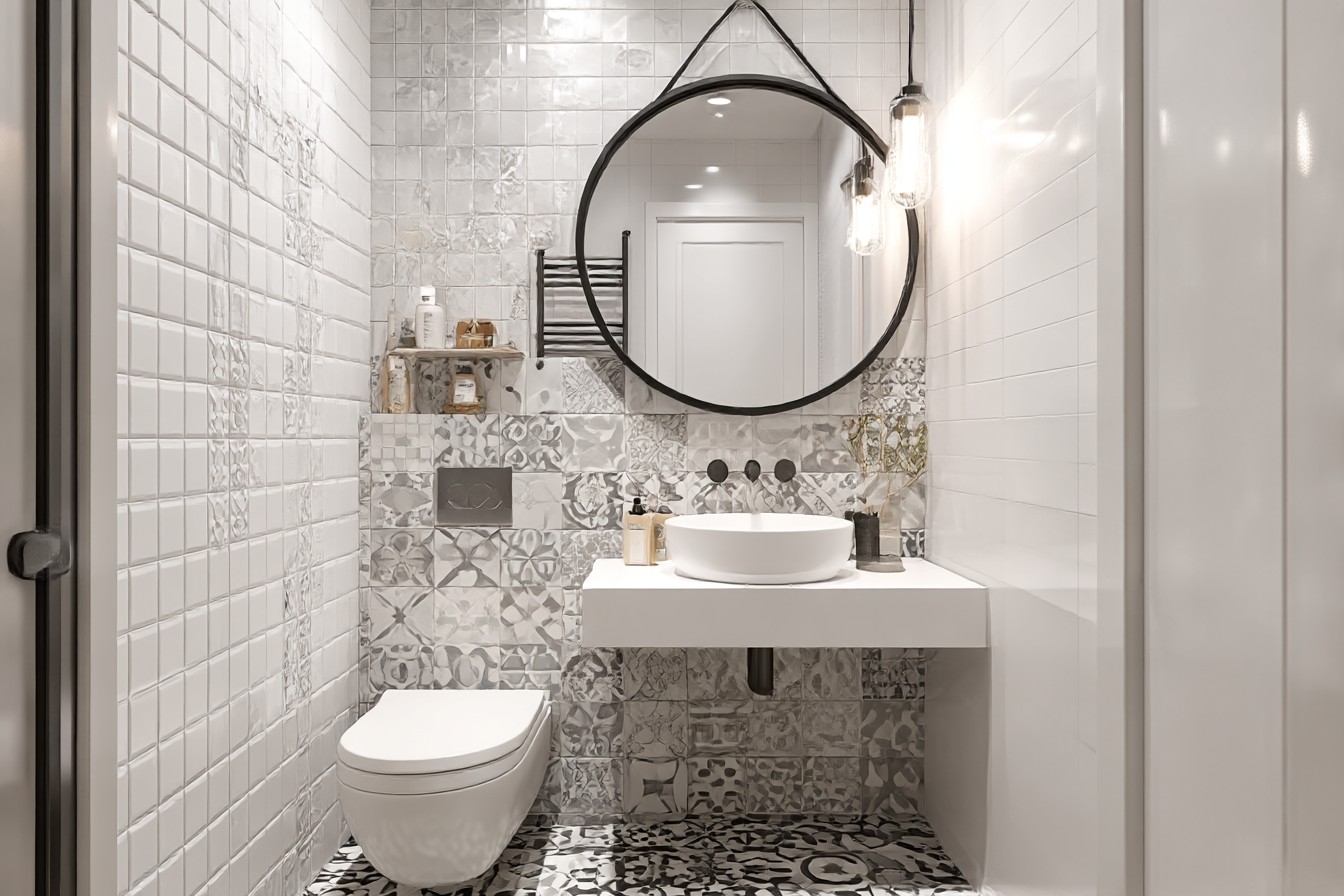
When corner placement won’t work, I go for the smallest wall-mounted option I can find. Recently installed a tiny round vessel sink – about 40cm diameter – on a floating shelf that was barely 20cm deep. Sounds mad, but suddenly that cramped space felt almost manageable. It’s all about getting visual floor space back. When you can actually see the floor, your brain stops having a panic attack about being enclosed in a tiny box.
Storage becomes this weird vertical puzzle in these spaces. I’ve become slightly obsessed with those ridiculously narrow cabinets that squeeze into the gap between toilet and wall – usually about 15cm wide but surprisingly deep. Perfect for loo roll, cleaning stuff, all those random bathroom bits that need somewhere to live. Above the toilet works too, though I learned the hard way to keep shelves at least 30cm above head height. Smacked myself on low-hanging cabinets more times than I care to count – proper cartoon character stuff.
The toilet itself often needs upgrading too. Standard models can completely dominate tiny spaces, but you can get compact versions designed exactly for this problem. Swapped out a normal toilet for what they call an “elongated compact” model recently (bizarre name, but they’re actually more comfortable while taking up less room) and gained nearly 10cm of walking space. Doesn’t sound like much until you’re the one navigating that space every day – then every centimeter matters.
Lighting can make these rooms feel either cozy or like you’re trapped in a cave. I always start with the brightest LED bulb the fitting can handle, but positioning matters just as much as brightness. If there’s a mirror involved, you want to avoid creating those horrible shadows that make everyone look like extras from a horror film. Side lighting works beautifully when overhead isn’t practical.
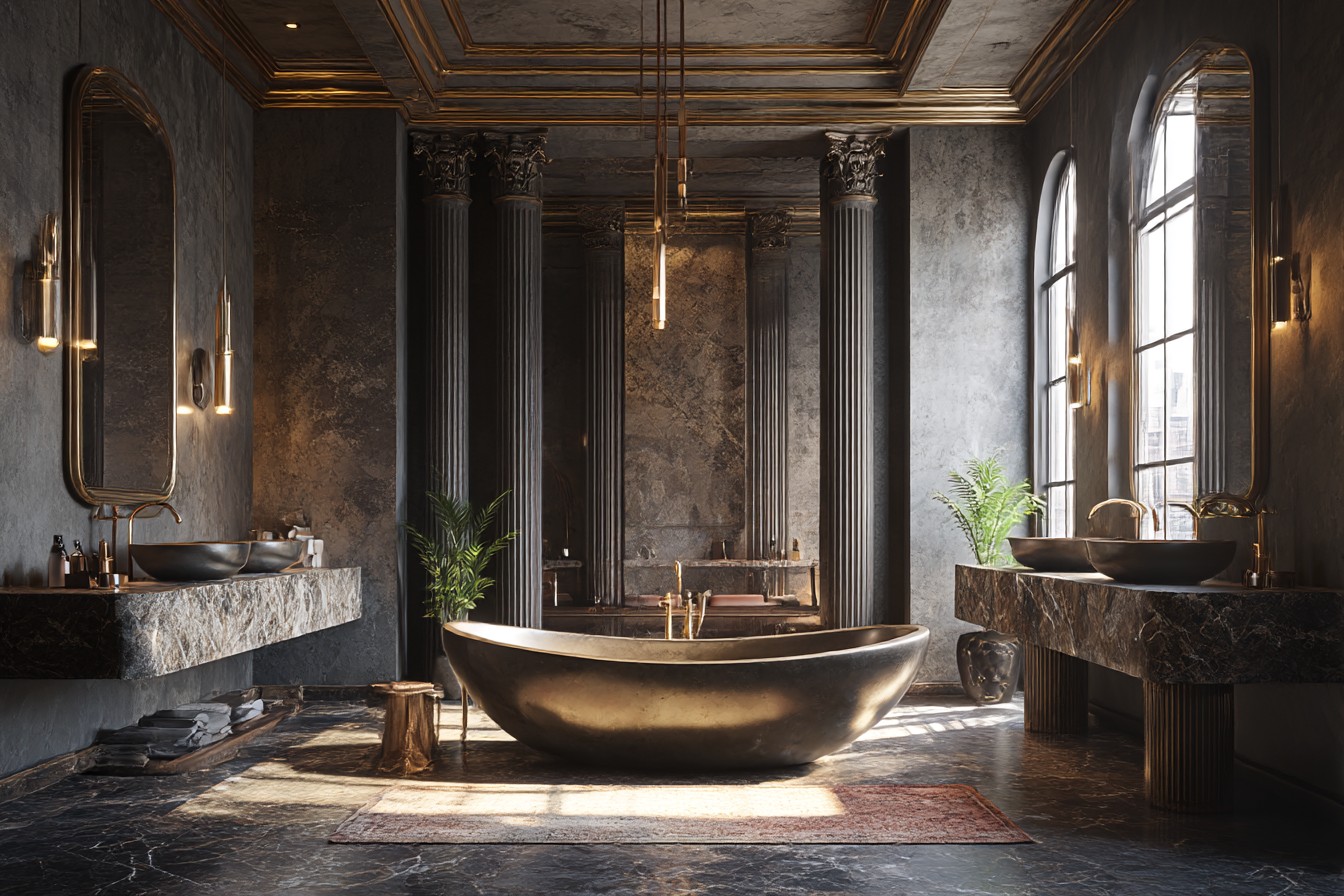
Everyone gets obsessed with mirrors in small spaces, assuming you need something massive to “create the illusion of space.” Honestly? I think that often backfires in properly tiny rooms. Instead, I prefer mirrors with character – interesting frames that become a focal point rather than trying to fool anyone about the room’s actual size. Round mirror with a brass frame draws attention and adds personality without feeling desperate about the dimensions.
Color choices get magnified in these spaces because you’re seeing every surface simultaneously. Dark colors aren’t automatically wrong – painted one powder room deep navy and it felt intimate rather than oppressive. But if you go dark, you absolutely need brilliant lighting and probably a light floor to balance things. Light colors do help with reflection, but don’t feel obligated to stick with magnolia just because the room’s small.
One trick I’ve become fond of is using the same tiles on floor and walls – creates visual flow that somehow makes the space feel more intentional. Did this with small hex tiles in soft grey, running them about three-quarters up the walls, and the result felt more like a jewelry box than a converted cupboard. Something about that continuity stops your eye from ping-ponging around measuring how small everything is.
Ventilation becomes critical when there’s literally nowhere for moisture to go. These tiny spaces can develop serious mold problems if you’re not careful, and nobody wants that in a room people use regularly. Usually there’s no window (of course there isn’t), so invest in the best extractor fan your budget allows. The quiet ones cost more but they’re worth every penny – using a tiny bathroom shouldn’t feel like being in an airplane loo.
Doors often need creative solutions too. Standard doors swing inward and immediately eat up half your floor space. If it’s possible, sliding doors or pocket doors can be absolute game-changers. I know pocket doors can be expensive to retrofit, and barn doors aren’t everyone’s cup of tea, but in genuinely tight spaces they can transform usability.
The biggest lesson I’ve learned from these challenging little rooms? Stop apologizing for what they are. Embrace the tiny. Add wallpaper with personality. Choose a statement light fitting. Paint the ceiling an unexpected color. When you stop trying to disguise what the space is and instead make it the best possible version of itself, something clicks. Visitors stop muttering about the size and start commenting on the character.
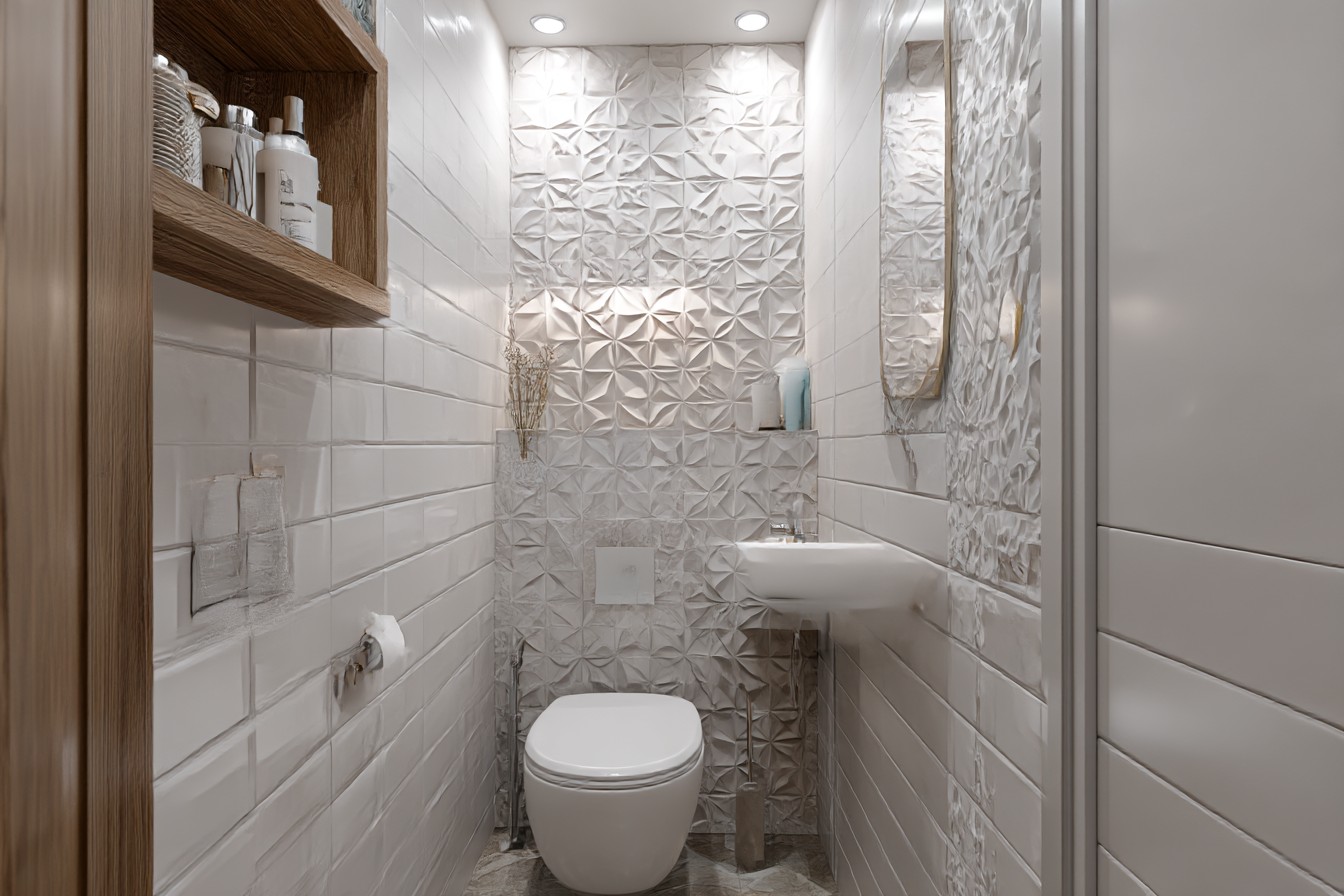
The most successful tiny powder room I’ve worked on was barely 1.7 square meters. Sounds impossibly small, doesn’t it? But it had gorgeous William Morris wallpaper, a vintage brass tap, and a perfectly proportioned little pedestal sink. People actually remembered that room – not because they were impressed by the space, but because every single element felt deliberate and thoughtful. That’s the real secret with these phone booth bathrooms: when everything is chosen with care and intention, size becomes irrelevant. The room stops being about what it lacks and starts being about what it offers instead.