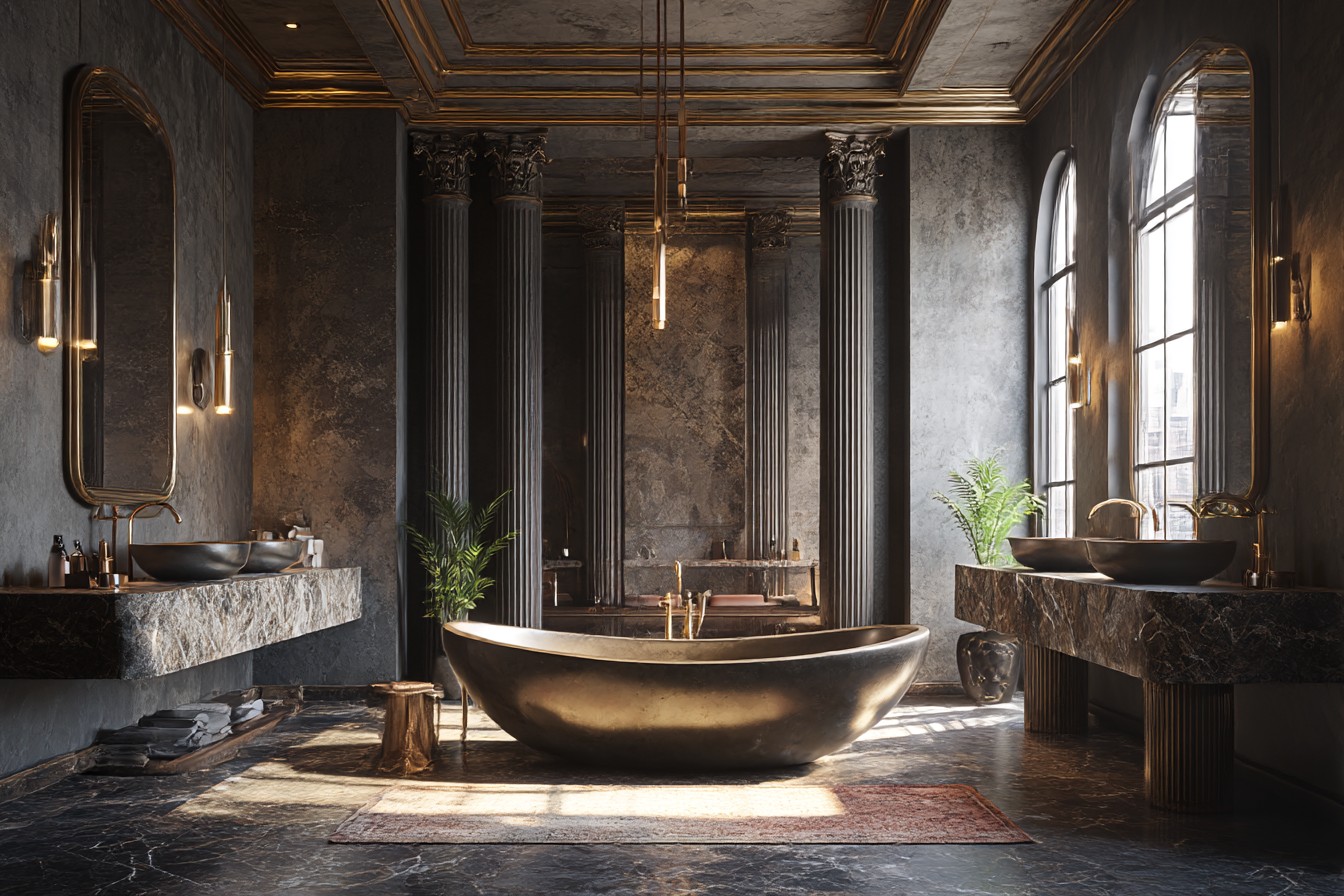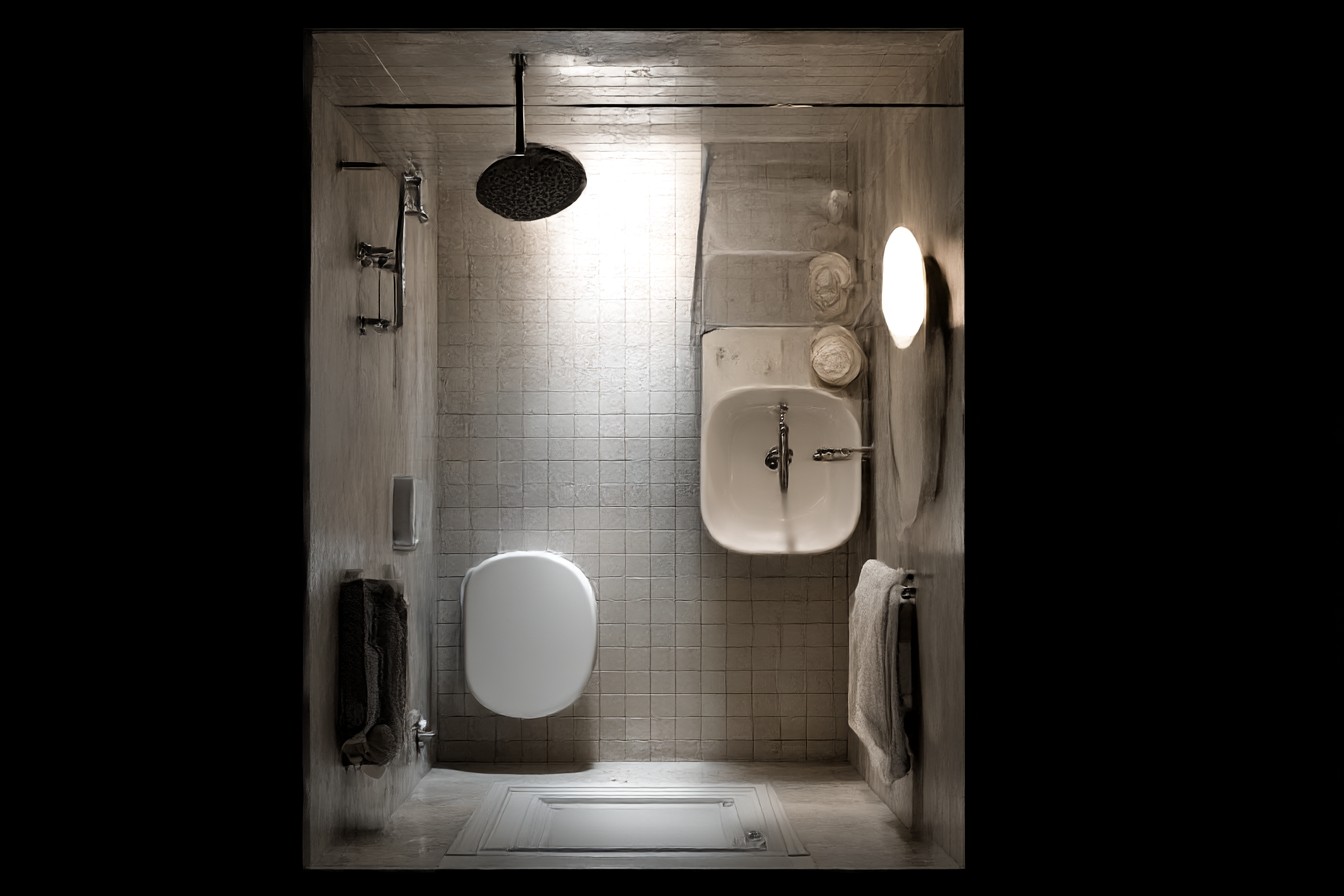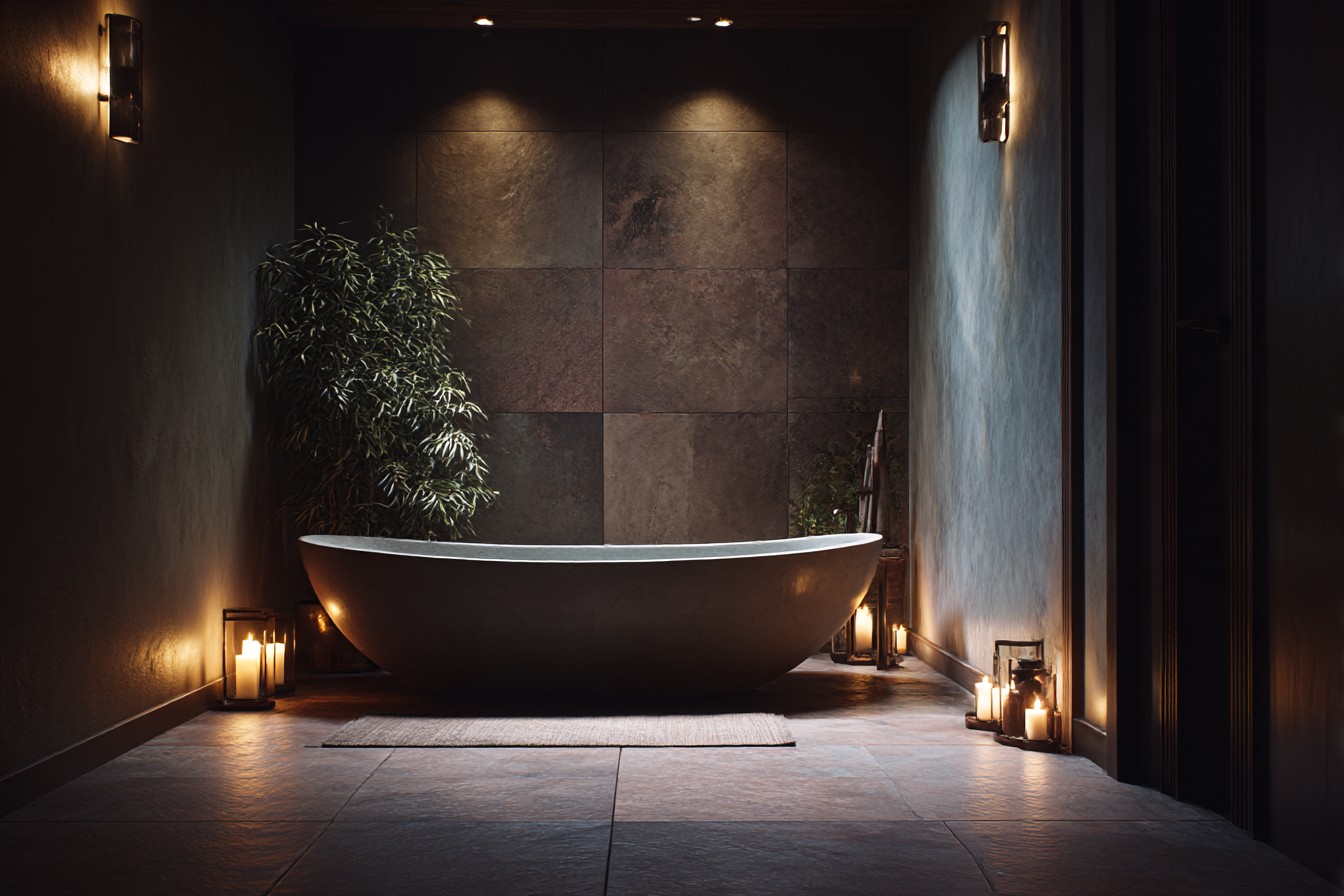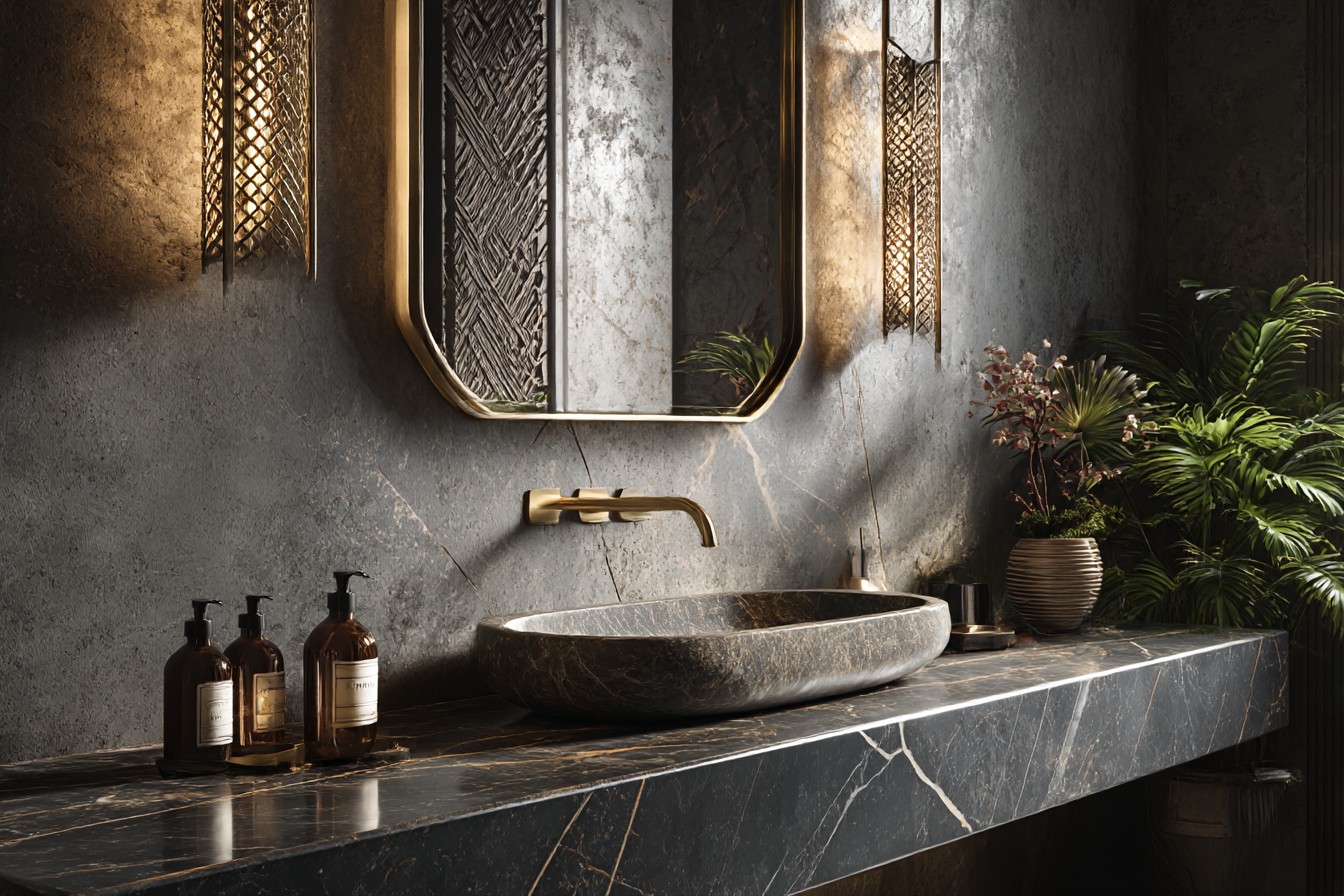
The most critical factor in determining the overall aesthetic of your powder room is the quality of the design elements. Design is often subjective, however, there are several factors that affect the quality of a design element. One of the primary ways to determine the quality of a design element is to assess its functionality. Functionality refers to how well the design element serves its intended purpose. In the case of a powder room, this includes the placement of fixtures and the way in which they function. For example, a toilet that is difficult to flush or a sink that is hard to access may be considered poorly designed. A second method of assessing the quality of a design element is by evaluating its aesthetics. Aesthetics refer to the visual appeal of a design element. In terms of a powder room, the aesthetic of the design elements will greatly affect the overall look and feel of the space. This includes the style of the fixtures and the color scheme of the walls and flooring. Finally, the quality of a design element can also be evaluated based on durability. Durability refers to how long a design element will last. For example, a toilet that lasts for twenty years is generally considered to be better designed than one that only lasts five.
In addition to the quality of individual design elements, the overall quality of a design is also affected by the way in which the design elements interact with each other. One common interaction between design elements is the relationship between form and function. Form refers to the physical appearance of a design element. For example, the shape of a sink or the material used to construct a toilet. Function refers to the use or purpose of a design element. For example, a sink is used for washing hands. When the form and function of a design element are well-balanced, the design element is generally considered to be of high quality. Conversely, when the form and function are poorly balanced, the design element is generally considered to be of low quality. Another interaction between design elements is the relationship between design elements and the environment. The environment refers to the surroundings in which the design element exists. In the case of a powder room, this includes the surrounding walls, flooring, and furniture. Design elements that are well-suited to their environment tend to be of higher quality than those that are not. For example, a toilet that is placed near the door of a powder room tends to be of lower quality than one that is placed near the wall. A third interaction between design elements is the relationship between different design elements. In general, when multiple design elements are working together effectively, the overall quality of the design is increased. Conversely, when multiple design elements are working against each other, the overall quality of the design is decreased.
A fourth interaction between design elements is the relationship between design elements and user experience. User experience refers to how users perceive and interact with a design. In the case of a powder room, user experience encompasses both the functionality of the design elements and the aesthetic of the design elements. A design that provides users with a positive experience through both functionality and aesthetics is generally considered to be of high quality. Conversely, a design that does not provide users with a positive experience through either functionality or aesthetics is generally considered to be of low quality.
Finally, the overall quality of a design can be assessed based on its ability to meet the needs of users. Meeting user needs is perhaps the most important aspect of design. Users have certain expectations regarding the functionality, aesthetics, and usability of a design. If a design meets these expectations, the overall quality of the design is generally considered to be higher than if the design fails to meet these expectations. Meeting user needs also helps to ensure that the design remains relevant and useful over time.
Overall, the quality of a design element can be determined by assessing its functionality, aesthetics, durability, interactions between design elements, relationships between design elements and the environment, relationships between design elements and user experience, and its ability to meet user needs. When these criteria are met, the quality of the design is likely to be high. However, when these criteria are not met, the quality of the design is likely to be low.
Based upon the above discussion, the design of a powder room should include the following design elements:
– Fixtures (e.g. sinks, toilets)
– Flooring
– Walls
– Lighting
– Furniture
– Decorative elements
Each of the above design elements plays an important role in the overall design of a powder room. Together, these design elements create a cohesive and functional space.
Functionality is an important criterion in determining the quality of a design. The quality of the functionality of a design is generally measured by how well it meets the needs of users. The functionality of a powder room design should include the following:
– Adequate storage for toiletries
– Easy-to-use fixtures
– Good ventilation
– Sufficient lighting
– Space-efficient design
The functionality of a design is generally improved when the design includes features that increase efficiency and reduce waste. In terms of a powder room, this might include installing a low-flow toilet or using a water-saving faucet.
In addition to functionality, aesthetics is another important consideration in determining the quality of a design. The aesthetic of a design is generally measured by how visually appealing it is. The aesthetic of a powder room design should include the following:
– Color scheme
– Texture
– Patterns
– Style
– Shape
The aesthetic of a design is generally improved when the design includes features that add interest and variety. In terms of a powder room, this might include using a unique color scheme, adding decorative tilework, or including artwork.
Durability is yet another important consideration in determining the quality of a design. The durability of a design is generally measured by how long it will last. In terms of a powder room, this might include using durable materials for the fixtures, flooring, and walls.
As discussed earlier, the interactions between design elements play a significant role in determining the overall quality of a design. Some examples of interactions between design elements in a powder room include the relationship between the flooring and the walls, the relationship between the fixtures and the lighting, and the relationship between the decorative elements and the overall aesthetic of the design.
When considering the design of a powder room, it is essential to take into account the needs of the users. These needs may vary depending on the specific circumstances of the powder room. For example, a powder room that is located in a public area may require additional privacy measures. Alternatively, a powder room that is located in a private residence may require additional storage space for personal items.