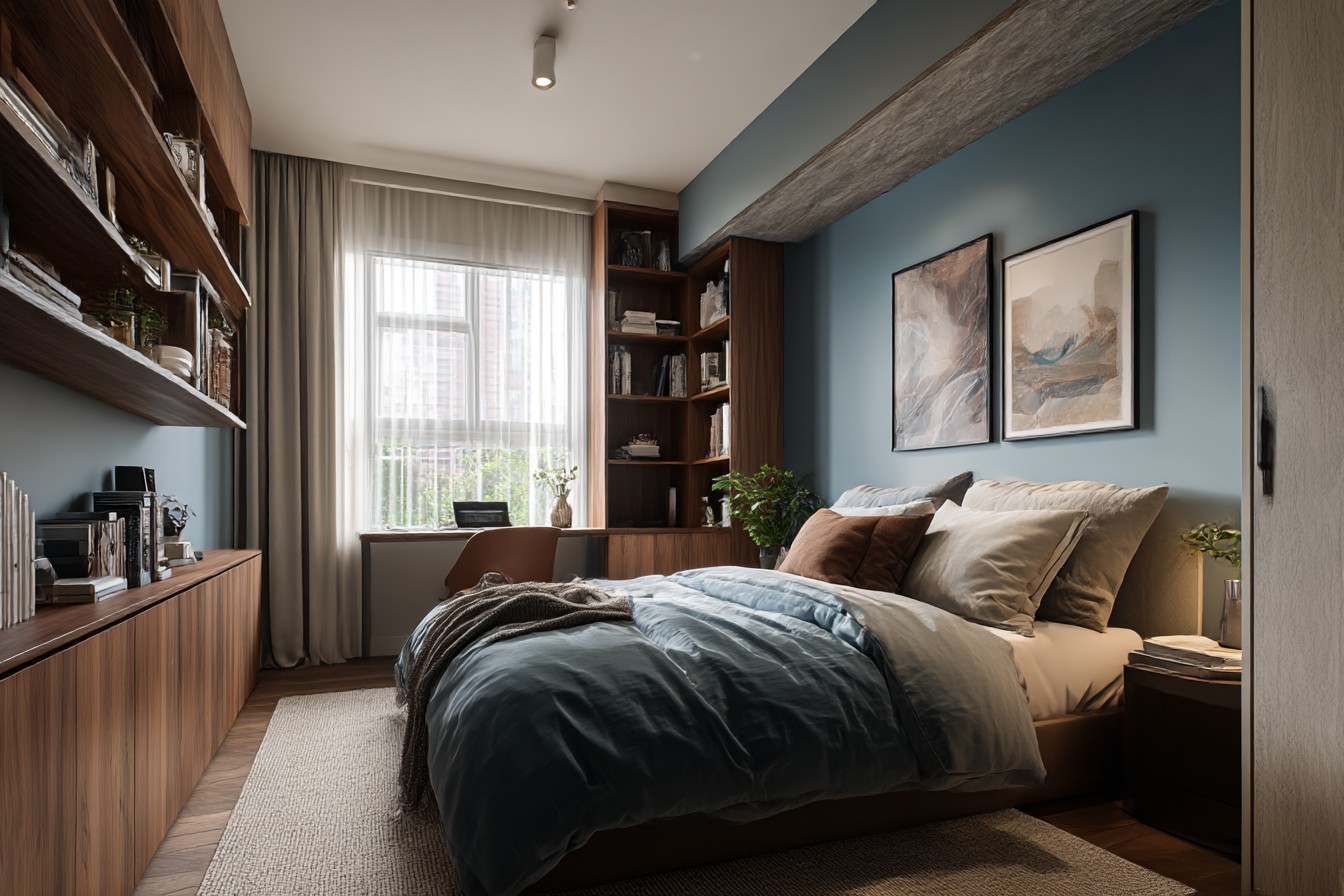
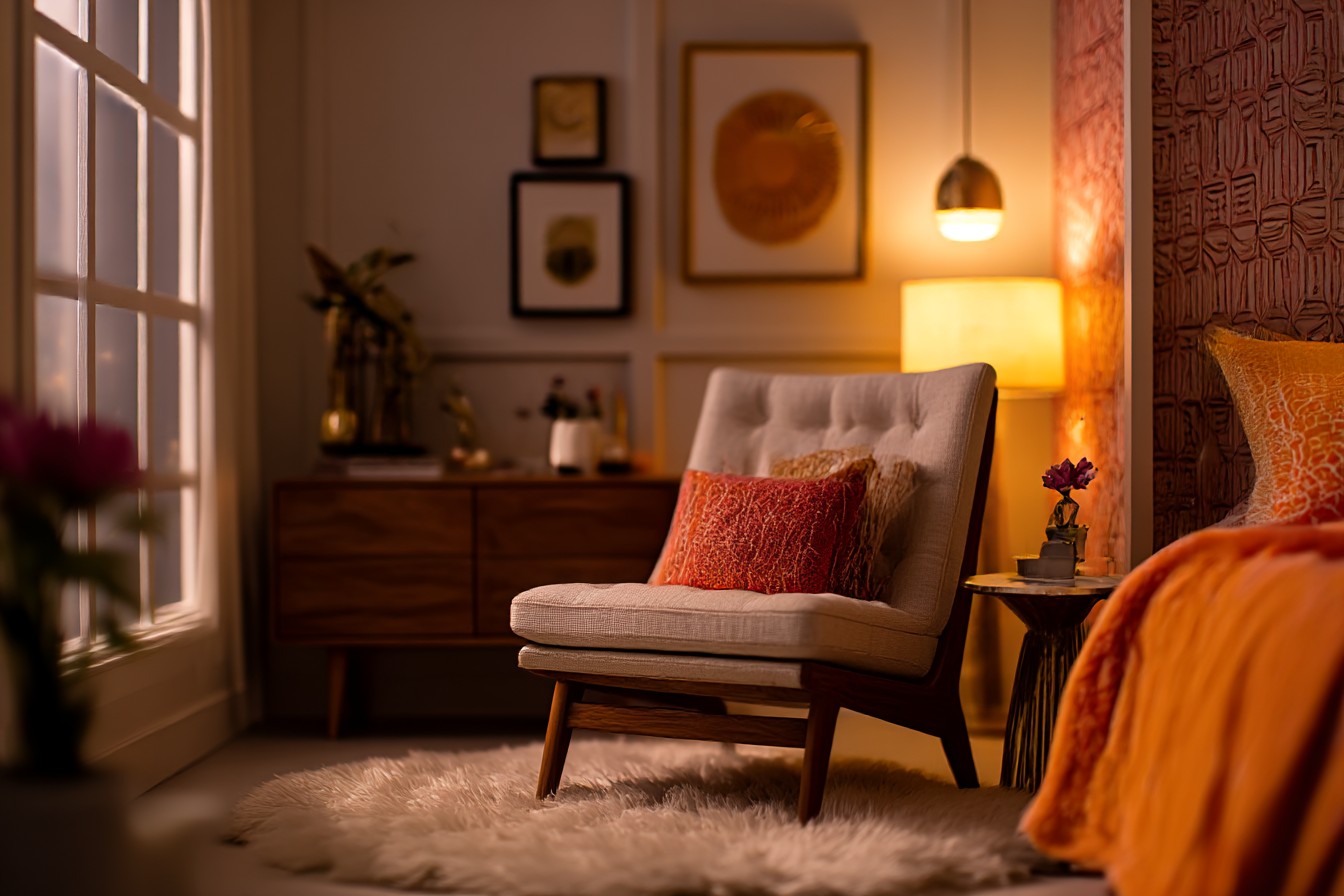
Right, so the bedroom in my flat is basically a cupboard. No windows, sits smack in the middle of the building surrounded by other people’s walls, and when I first moved in it looked like the sort of place you’d store old cardboard boxes rather than actually sleep. The estate agent called it “cosy” which should’ve been my first red flag, but you know how Manchester rents are – I wasn’t exactly drowning in options.
Three years later though, I’ve somehow managed to turn this windowless cave into something that doesn’t make me want to immediately flee every morning. Actually feels quite pleasant now, which honestly surprises me more than anyone else. When mates come round they’re always shocked when I mention there are literally zero windows in here because it doesn’t feel like a dungeon anymore.
The transformation definitely didn’t happen overnight, and I made some spectacular mistakes along the way. My first brilliant idea was to embrace the darkness – painted one wall this gorgeous deep navy thinking I’d go for that moody, sophisticated bedroom vibe you see in design magazines. Looked incredible in the tin. Looked absolutely terrible on the wall. Made the space feel like I was sleeping inside a shoebox, which I suppose I basically was anyway, but the dark paint just made it aggressively obvious.
Had to repaint that wall within a week because I couldn’t stand looking at it. Learned my lesson about testing paint colours properly after that disaster – now I always buy sample pots and live with them for at least a week before committing to anything bigger than a bathroom.
What actually works in a space like this is going as light as humanly possible without ending up with that sterile white box feeling. I eventually settled on this barely-there cream colour called String by Farrow & Ball for the main wall behind my bed. Yeah, I know, spending that much on paint seems mental when you’re dealing with a room the size of most people’s walk-in wardrobes, but honestly it made such a difference I’d do it again. The other walls got painted in the palest grey I could find – something that reads almost white but has just enough warmth to prevent it feeling like a hospital room.
Here’s something most people never consider – I painted the ceiling the same cream as the feature wall. Game changer, that was. Your eye can’t quite figure out where the wall ends and the ceiling begins, so the whole space feels taller and more expansive than it actually is. It’s like visual trickery but it genuinely works.
Then came my lighting obsession, which my girlfriend finds hilarious because I now have opinions about colour temperature and lumens that I definitely didn’t have before. The original setup was one of those awful overhead bulbs that made everything look like a police interrogation room. Ripped that out immediately and started building what I call my “light layering system” – sounds proper fancy but it’s really just having multiple light sources doing different jobs.
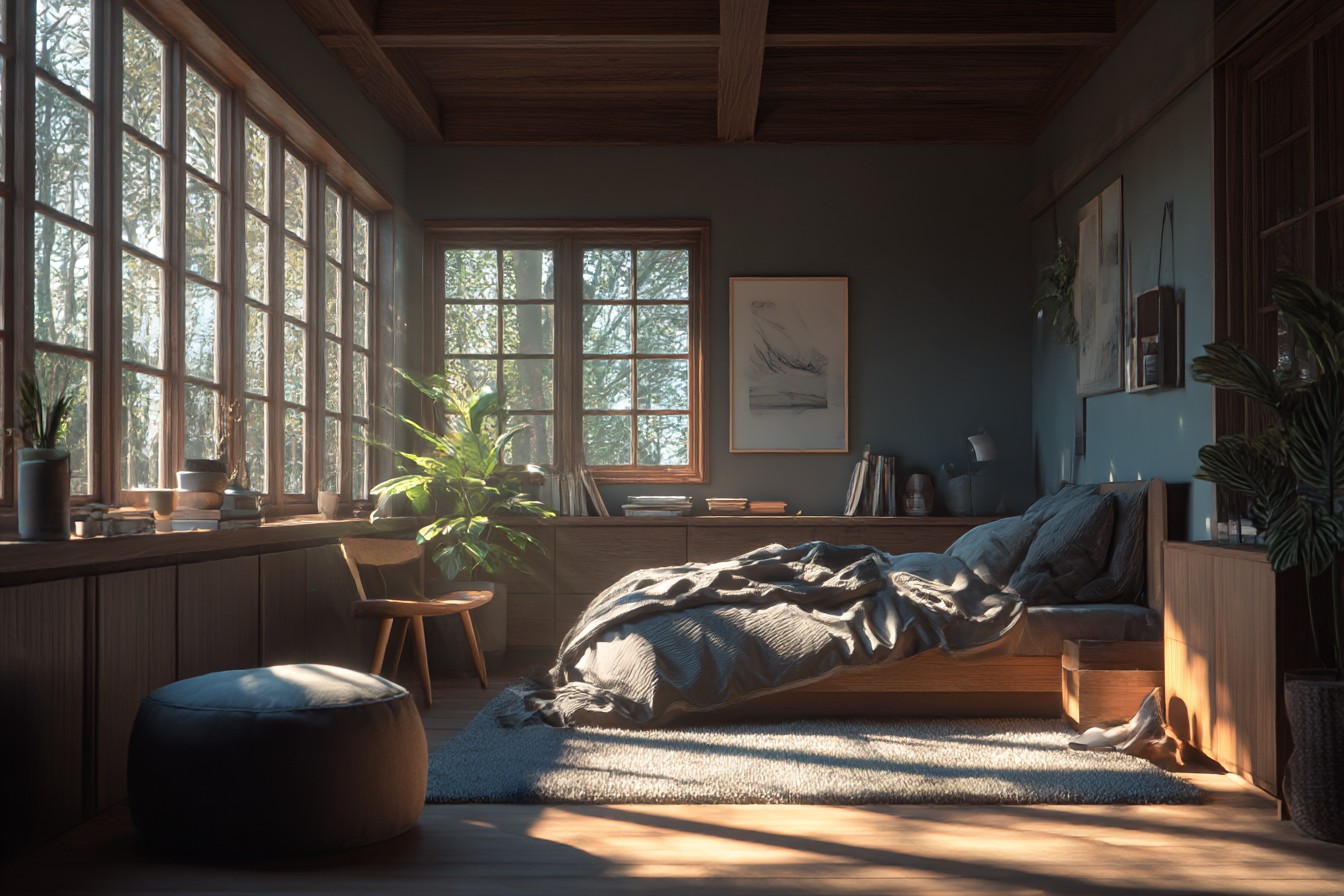
I stuck LED strip lights behind the headboard – not those harsh blue ones that make everything look like a nightclub, but warm white ones that create this lovely ambient glow around the bed. Cost about forty quid on Amazon and literally just stuck them up with the adhesive backing. Took maybe twenty minutes and instantly made the room feel less claustrophobic.
The bedside lamps were crucial too. Found these adjustable brass ones at a car boot sale for fifteen pounds each, though they needed rewiring because the previous owner had done something questionable with the electrics. My neighbour Pete sorted that out for me in exchange for a curry. They’re bright enough for reading but warm enough that they don’t make the space feel clinical, which is a tricky balance to get right.
But the real revelation was mirrors. Everyone bangs on about mirrors making small spaces feel bigger, which is true, but placement is everything. I hung this large round mirror from IKEA directly across from the door – thirty quid and I spray-painted the frame gold to make it look more expensive. First thing you see when you walk in is light reflecting back at you instead of a dark wall. Then I added a smaller mirror on the wall opposite the bed, so light bounces between them creating this subtle brightening effect.
There’s also a full-length mirror on the back of the door which does double duty – obviously useful for getting dressed, but it also reflects light from the hallway whenever the door’s open, which happens more than you’d think. These weren’t expensive solutions either, just strategically placed IKEA mirrors with a bit of creativity.
Storage became another major headache because dark rooms feel even smaller when they’re cluttered with stuff everywhere. I invested in a bed frame with built-in drawers underneath – probably the best money I’ve spent on this room. All my winter clothes and spare bedding live under there now. Also mounted floating shelves really high up on the walls, almost at ceiling level, which draws your eye upward and makes the ceiling feel higher while giving me somewhere to put books and the odd decorative bit.
The wardrobe situation required some creative thinking because a traditional bulky wardrobe would’ve dominated the entire room. Instead I installed a rail system along one wall and hung a light-coloured curtain in front. Takes up way less visual space than solid doors, plus I can pull the curtain back completely when I want the room to feel more open.
Here’s something nobody warns you about with windowless bedrooms – they get stuffy incredibly fast. Bought a small air purifier that runs constantly, not just for air quality but because the gentle white noise actually helps me sleep better. Plus proper air circulation prevents that stagnant feeling that can make dark spaces feel properly oppressive.
Even managed to get some plants in there despite the complete lack of natural light. There’s a snake plant in the corner that’s basically indestructible, and I’ve got some pothos trailing from the high shelves that seem perfectly happy under my LED setup. They add life to the space without needing actual sunlight, which is handy since there isn’t any.
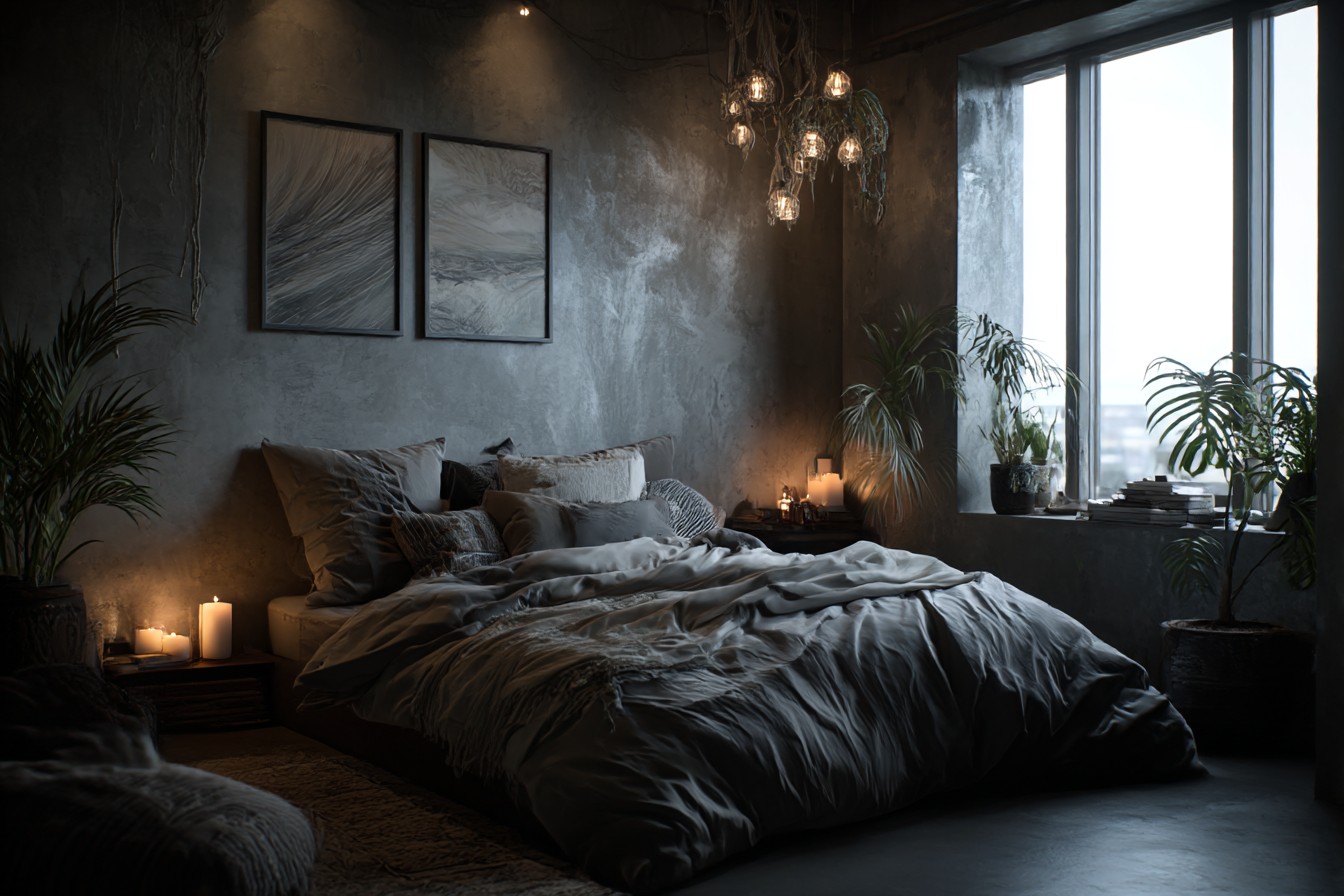
The bedding choices made more difference than I expected too. Went for white sheets and a light grey duvet cover – nothing revolutionary, but in a room this dark every bit of brightness genuinely counts. Added some texture with a chunky knit throw in cream and linen cushions in the softest colours I could find. Keeps things interesting without making the space feel busy.
One mistake I definitely made early on was buying blackout curtains to hang across the doorway. Thought they’d help with privacy and sound from the rest of the flat, but they just made the room feel like an actual bunker. Swapped them for a light fabric panel that gives me privacy while still letting hallway light filter through when needed.
The whole transformation took about six months and cost roughly eight hundred quid including paint, lights, mirrors, storage solutions, and a few false starts. Not exactly pocket money, but I spread it out over time so it felt manageable rather than one massive expense. And honestly? I sleep better in this room than I ever did in places with proper windows. There’s something quite peaceful about a space that feels completely separate from the outside world, especially when you’ve made it bright and welcoming rather than cave-like.
These days when people visit they’re always surprised when I mention the room has no windows at all. Which I reckon means I’ve done something right, even if it took a few disasters to get there.