My bedroom is basically a cupboard with delusions of grandeur. Seriously, I measured it once and it’s smaller than the office space they give you at most companies. When I first moved into this flat, I had this brilliant idea to just squeeze everything from my previous place in there – king-size bed (because I’m tall and optimistic), two matching nightstands from IKEA, a massive dresser my mum insisted I needed, plus this armchair that I’d bought thinking I’d become the sort of person who sits in bedroom chairs reading novels. Spoiler alert: I am not that person.
The result was like trying to solve a Rubik’s cube every time I wanted to get dressed. I had to do this weird sideways crab-walk between the bed and dresser just to reach my wardrobe. My girlfriend at the time said it looked like I was performing some sort of interpretive dance every morning. Not exactly the vibe I was going for.
That whole disaster taught me that small bedrooms aren’t just big bedrooms shrunk down in Photoshop. They’re a completely different beast that needs completely different thinking. You can’t just make everything smaller and expect it to work – it’s like trying to fit a full Sunday roast into a sandwich, it’s just not happening.
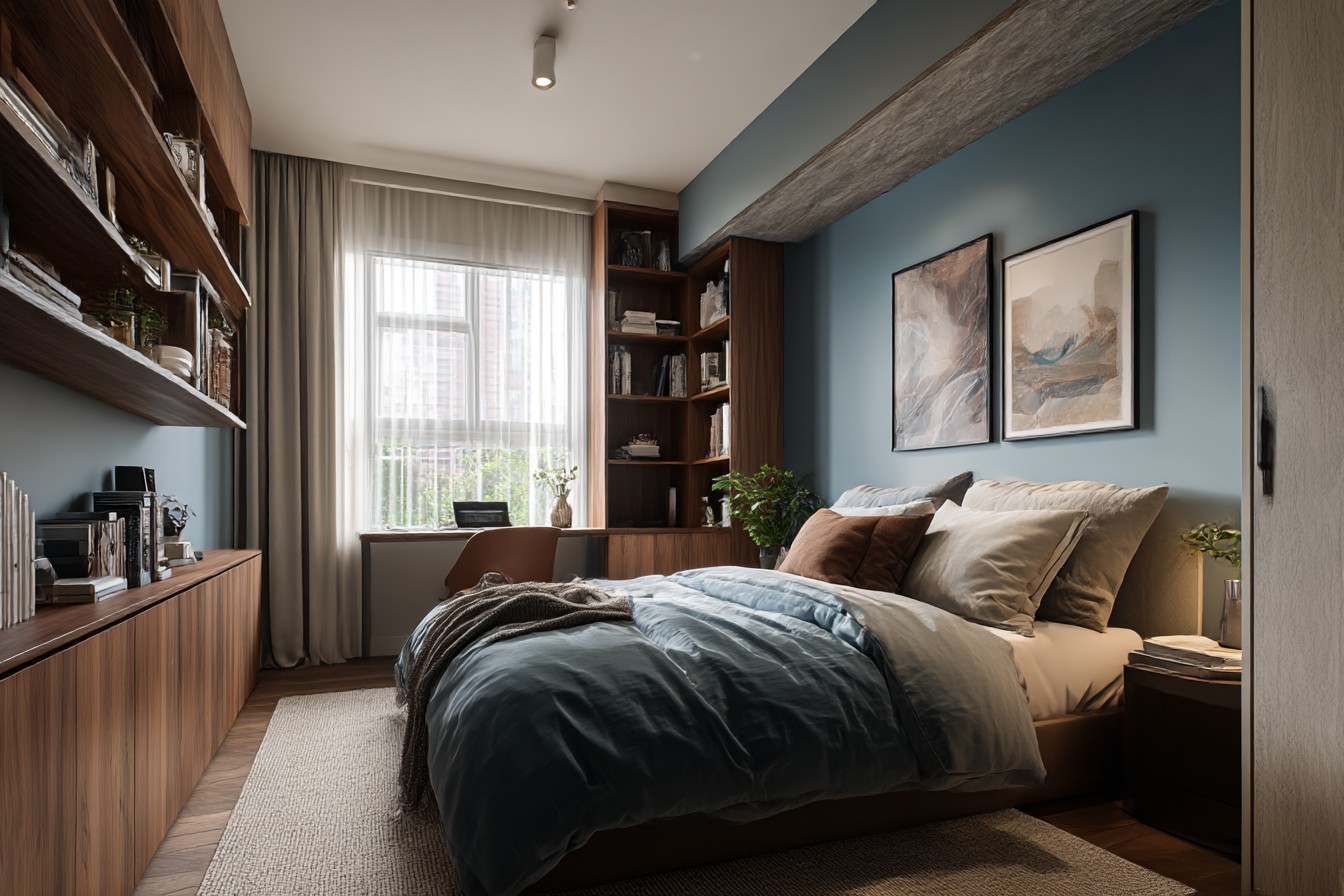
The bed placement thing was my first proper breakthrough. Everyone assumes you shove the bed against the wall to save space, right? Sometimes that works, but often it just creates new problems. In my current setup – and I know this sounds mental when you’re working with about twelve square metres – I actually pulled the bed away from the wall by maybe twenty centimetres. My mate Dev thought I’d lost it completely when he saw me doing this. But that narrow gap behind the bed became perfect for this slim console table I found on Facebook Marketplace. Now it holds my books, phone charger, the lamp I actually use for reading, and somehow the whole room feels bigger because your eye can see that there’s space back there.
I tried the corner bed approach in my last place and it can work brilliantly, but you’ve got to commit properly. Pushed a double bed right into the corner and used the L-shaped wall space for shelving – looked quite smart actually, like those Scandinavian bedroom photos on Pinterest. The crucial bit was making sure I could still get into bed without doing parkour. I measured everything obsessively after learning this lesson the expensive way – bought a bed frame that was about five centimetres too wide and spent three months climbing over the footboard like I was vaulting a fence. My neighbours probably thought I was doing some weird midnight fitness routine.
Traffic flow is one of those things you never think about until you’re limping around with bruised shins from walking into the same corner of the bed frame every single day. I started actually mapping out the routes I naturally wanted to walk – from the door to the window when I’m opening curtains, from the bed to the wardrobe when I’m getting dressed, from the dresser to the mirror when I’m… well, looking at myself and wondering why I bought so many striped shirts. Any furniture that blocks these invisible pathways instantly makes a small room feel like you’re navigating an obstacle course.
My friend Sarah has this studio flat in Ancoats where she positioned her bed perpendicular to the longest wall, which sounds completely backwards but actually creates this clear sight line from the entrance that makes the whole place feel enormous. The bed works almost like a room divider, creating different zones without needing actual walls or those expensive Japanese screen things that look nice but take up loads of space.
Storage is where I’ve made approximately every mistake it’s possible to make. The worst was buying one of those ottoman beds with storage underneath, thinking I’d cracked the code. What I didn’t think about – because apparently I don’t learn from previous measuring disasters – was that you need space to actually open the storage drawers. In my room, they could barely open halfway before hitting the opposite wall. Basically turned my clever storage solution into the world’s most expensive, most inconvenient nightstand. The irony was not lost on me.
Now I’m completely obsessed with vertical storage and furniture that does more than one job. My current nightstand is actually a narrow IKEA bookshelf that I turned on its side – gives me the surface space on top plus loads of little cubbies for storing random stuff. The ottoman at the foot of my bed opens up for extra bedding, and I’ve got a series of small floating shelves in that corner where two walls meet. That dead corner space that most people just ignore? It’s actually prime real estate if you think upwards instead of outwards.
One of the best decisions I made was switching to furniture with legs instead of stuff that sits flat on the floor. My dresser, nightstand, bed frame – they all have these slim legs that let you see the floor underneath. This creates the illusion of more space because your eye can travel across the room without constantly hitting obstacles. It’s like the visual equivalent of wearing vertical stripes to look taller, except it actually works.
Everyone bangs on about mirrors making small spaces feel bigger, which is true, but where you put them matters enormously. I initially hung this massive mirror directly opposite my bed thinking it would double the space. Instead, it just reflected my perpetually unmade bed back at me every morning – not exactly the zen, spacious feeling I was after. Now I’ve got a tall mirror positioned to catch the light from my one tiny window and bounce it deeper into the room. Much better vibes, much better lighting, and I don’t have to look at my questionable housekeeping skills first thing every day.
The biggest game-changer was when I stopped trying to fit everything and started being properly ruthless about what actually deserved space in my bedroom. That chair I never sat in? Gone to my parents’ house where my mum uses it to pile clean laundry. The decorative cushions that spent most of their time on the floor? Donated. The second nightstand that made the room feel lopsided and cramped? Replaced with a wall-mounted shelf that takes up zero floor space. Now every single thing in my bedroom has to justify its existence by being either useful, beautiful, or ideally both.
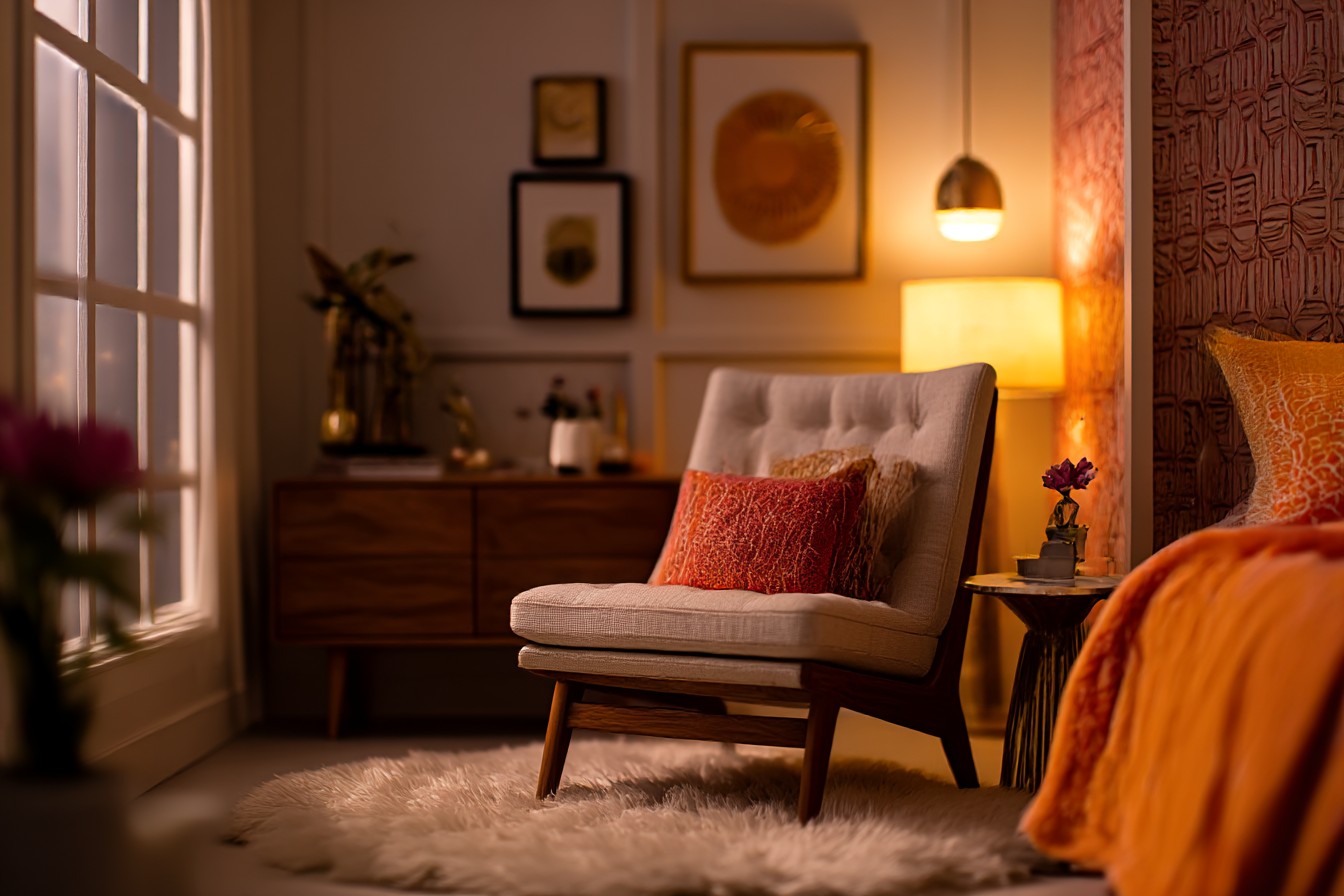
Lighting became absolutely crucial once I’d pared everything back. A single ceiling light makes any small room feel like an interrogation chamber. I layer different light sources now: a reading light attached to the wall above my bed (no more knocking over table lamps), a small lamp on the dresser for ambient lighting, and yes, string lights around the window because apparently I’m a walking millennial cliché. But you know what? They work. The different light sources create depth and prevent that flat, harsh feeling that makes small spaces feel even smaller.
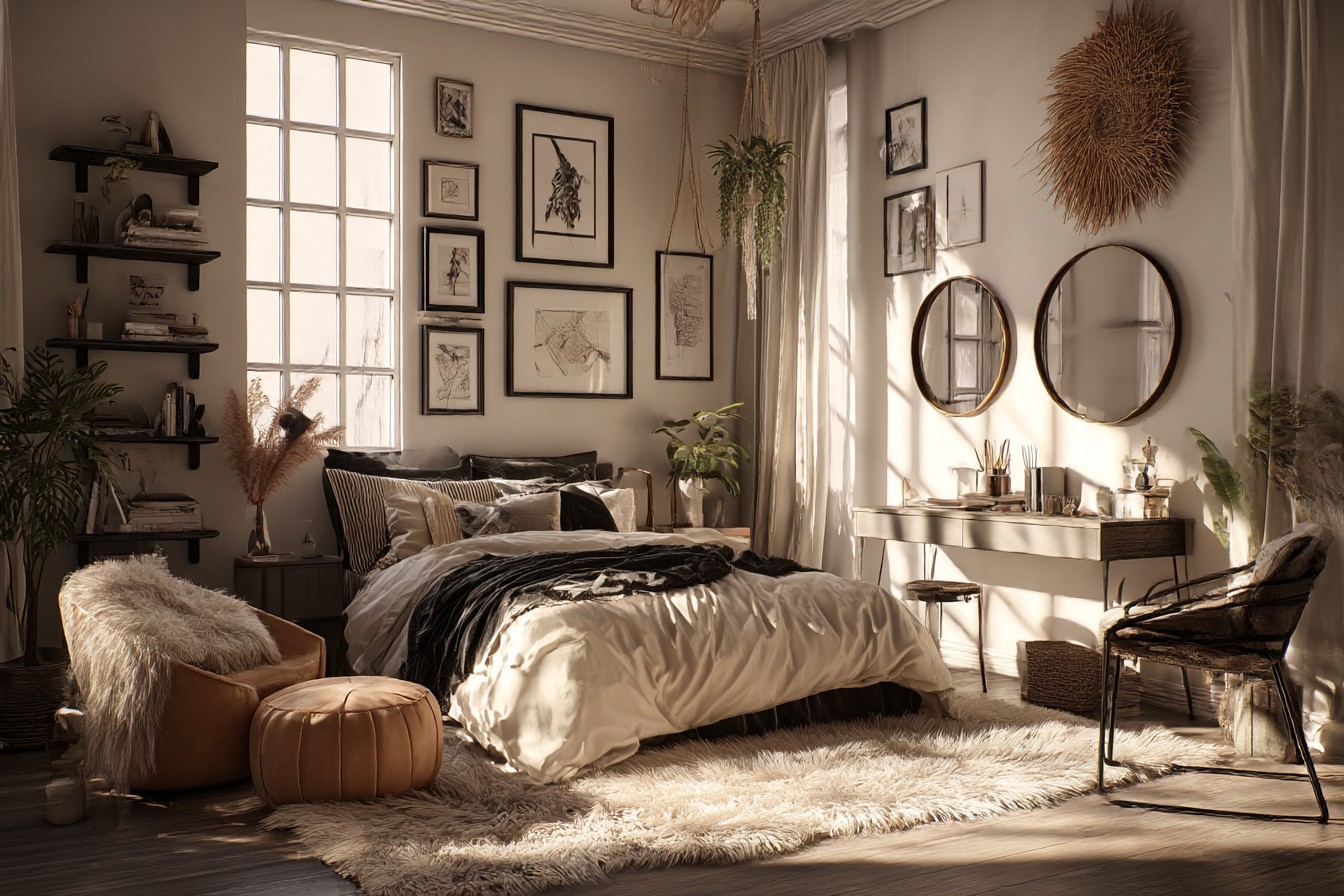
The colour situation took me ages to figure out. I painted my first small bedroom this gorgeous deep navy blue after seeing it in some design magazine, thinking it would look sophisticated and cozy. In my practically windowless box, it felt like sleeping in a submarine. Not the good kind either. Now I stick to lighter colours on the walls to reflect whatever natural light I can get, but add richness with darker bedding and curtains. Light walls, dark textiles – seems to work much better for tricking your brain into thinking the space is bigger than it actually is.
The thing that really transformed everything was embracing the smallness instead of constantly fighting against it. My bedroom now feels intentionally cozy rather than accidentally cramped. Every piece of furniture is there for a specific reason, every storage solution pulls double duty, and nothing blocks the natural flow of moving around the space. It took loads of trial and error, more measuring tape than any reasonable person should own, and several furniture-related injuries, but creating a small bedroom that actually functions properly instead of feeling like a storage unit you happen to sleep in? Completely worth abandoning the bedroom chair fantasy.