Right, so at 6 AM this morning I’m padding barefoot to the bathroom and I’m struck by how warm my feet feel on the floor. Weird thing to notice, you might think, but honestly it’s taken me three bathroom renovations and several expensive mistakes to get to this point. The floor in my current flat actually works it’s not just there looking pretty for the five minutes when the bathroom’s tidy.
My first flat had what I can only describe as fake wood laminate that someone had clearly chosen based purely on how it looked in the catalogue. Walking on it was like stepping on a slightly damp magazine cold, unpleasant, and with this weird texture that made you want to immediately put socks on. Every morning became this ridiculous dance where I’d hop from the door mat to the bath mat, trying to minimise contact time with the actual floor.
That experience was educational, let’s put it that way. I realised that bathroom flooring isn’t about creating Instagram moments it’s about dealing with the reality of steam, soap splashes, the occasional toilet overflow (yes, it happens to all of us), and the general chaos of trying to get ready for work while half-awake and dripping wet.
Since then I’ve tackled three small bathroom floors mine, my sister’s rental disaster, and a mate’s Victorian terrace where the original tiles had started peeling at the corners like old wallpaper. Each time I’ve gotten a bit smarter about what survives real life versus what just photographs well.
The thing with small bathrooms is there’s nowhere to hide your mistakes. You can’t disguise dodgy flooring behind a massive vanity or strategically positioned plant. Whatever you choose is going to be front and centre, taking the full brunt of shower spray, toothpaste spills, and that mysterious condensation that appears on every surface after someone has a proper hot bath.
I keep coming back to ceramic and porcelain tiles, even though I know they sound incredibly boring. But here’s the thing last month I managed to knock over an entire bottle of purple shampoo (the expensive stuff, naturally). It spread everywhere across the bathroom floor like some kind of lavender crime scene. But it just wiped up with warm water and a cloth. No staining, no frantic scrubbing, no permanent purple reminder of my clumsiness staring back at me every morning.
The smaller the tile, the better the grip too. Those tiny mosaic tiles might look fiddly when you’re planning, but they’re basically non-slip by design. All those grout lines create natural texture that actually helps when you’re stepping out of the shower onto wet feet.
I learned about grout the expensive way though. My first attempt used standard cement grout in white because, obviously, white bathroom equals white grout. Within about six weeks it looked grey and grubby no matter how much bleach I threw at it. Turns out cement grout is basically a sponge for soap scum and general bathroom grime.
Epoxy grout costs more maybe fifteen or twenty quid extra per square metre but it stays white, doesn’t absorb water, and doesn’t need replacing every few years. In a small space where grout lines are everywhere you look, it’s worth every penny. Wish someone had told me that before I spent a weekend scrubbing grout lines with an old toothbrush.
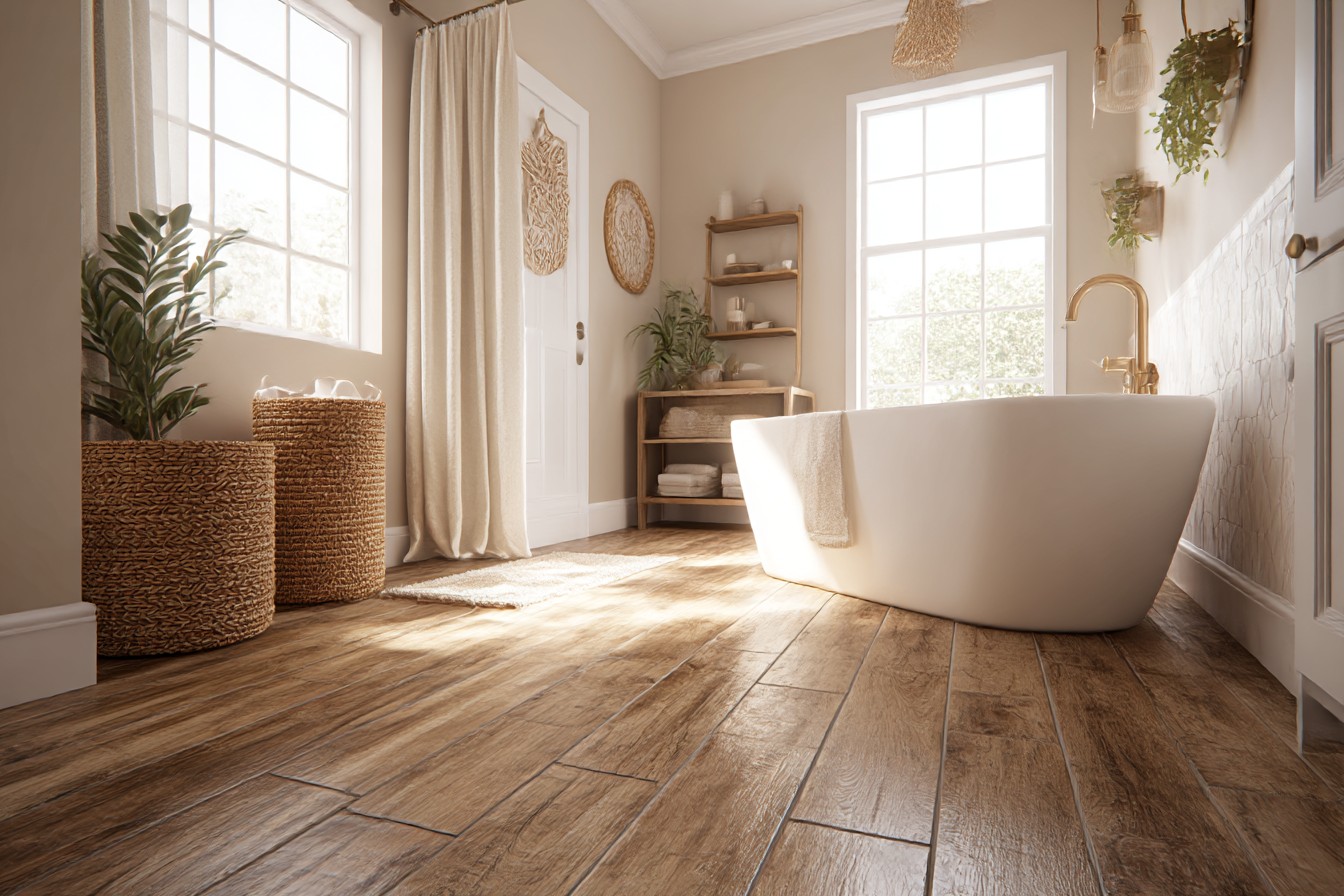
Luxury vinyl planks completely surprised me. I was skeptical because plastic flooring in a bathroom sounds like something you’d find in a hospital corridor. But the proper waterproof versions not the cheap stuff from discount stores that curls at the edges actually look and feel remarkably natural. My friend installed some in her narrow ensuite that mimics weathered oak, and I genuinely have to touch it to remember it’s not real wood. The texture is spot-on and it’s warm underfoot, which makes those 6 AM bathroom visits significantly more pleasant.
Installation’s dead easy too. It clicks together like a jigsaw puzzle and you can cut it with a craft knife. No tile cutters, no grout mixing, no waiting around for adhesive to cure. She managed her entire bathroom floor in one weekend, and that included ripping up the old lino and dealing with a subfloor that wasn’t exactly level.
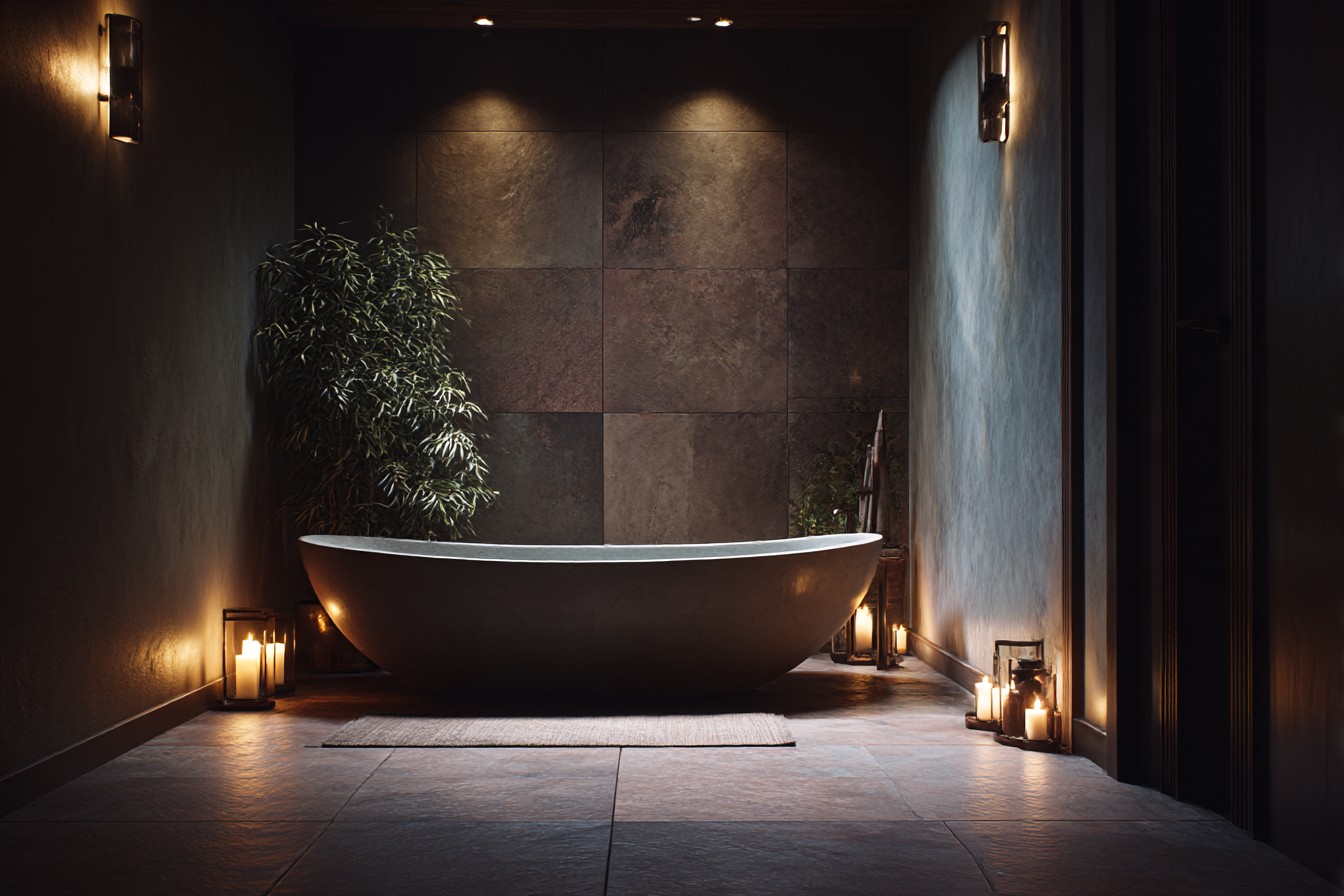
Natural stone gets complicated in small bathrooms, I’ve discovered. Don’t get me wrong I absolutely love the look of slate or limestone. There’s something so spa-like about it, all that natural variation and texture. But it needs sealing, then resealing, then more sealing, and small bathrooms don’t give you much room for error.
I made this mistake in my second flat, choosing these gorgeous limestone tiles that looked incredible for about three months. Then they started showing every water mark, every bit of soap residue, every mysterious stain that appears in bathrooms. The maintenance became like having a part-time job. Every weekend I’m there with special stone cleaners and sealers, trying to keep them looking decent.
If you’re absolutely determined to go natural and I get it, the look is stunning stick to dense stones like granite or properly sealed marble. But budget for professional sealing every year or two, and accept that they’re going to develop what estate agents call “character” over time. Sometimes that’s lovely in a rustic way, sometimes it’s just annoying.
Rubber flooring sounds completely industrial, but the modern versions are actually quite sophisticated. I’ve seen some textured rubber tiles that look almost like leather, and they’re completely waterproof, warm underfoot, and practically bomb-proof. Perfect if you’ve got kids who turn bath time into some kind of aquatic theme park.
Whatever you choose, think about the transitions between rooms. Small bathrooms usually connect directly to hallways or bedrooms with different flooring, and those joins can look proper awkward if you haven’t planned them. Transition strips help, but matching the height of adjacent floors makes everything look more intentional and less like an afterthought.
One thing I always tell people buy actual samples first. Not those tiny colour chips they give you in the shop, but proper samples you can take home and look at under your actual bathroom lighting. Bathroom lighting is notoriously weird, and what looks warm and inviting in the tile showroom can look cold and clinical under your LED downlights at 7 AM on a Tuesday.
Cost-wise, you’re looking at roughly twenty to forty quid per square metre for decent ceramic tiles, fifteen to thirty-five for luxury vinyl, and fifty to a hundred plus for natural stone. Installation adds another fifteen to twenty-five per square metre unless you’re brave enough to DIY it. But small bathrooms are actually quite economical to renovate because you’re not dealing with massive quantities my 2×2 metre bathroom needed about six square metres including wastage.
The best bathroom floor, I’ve concluded, is one you don’t have to think about. It should handle water without complaint, clean easily, feel pleasant underfoot, and still look good in five years when the next trend has come and gone. Everything else the exact shade, the specific texture, whether it matches your Pinterest mood board comes second to basic functionality.
Because trust me, no flooring looks good when it’s actually failing, no matter how expensive or trendy it was when you first installed it. And nobody’s going to be impressed by your design choices if they’re too busy trying not to slip on your beautiful but impractical floor.