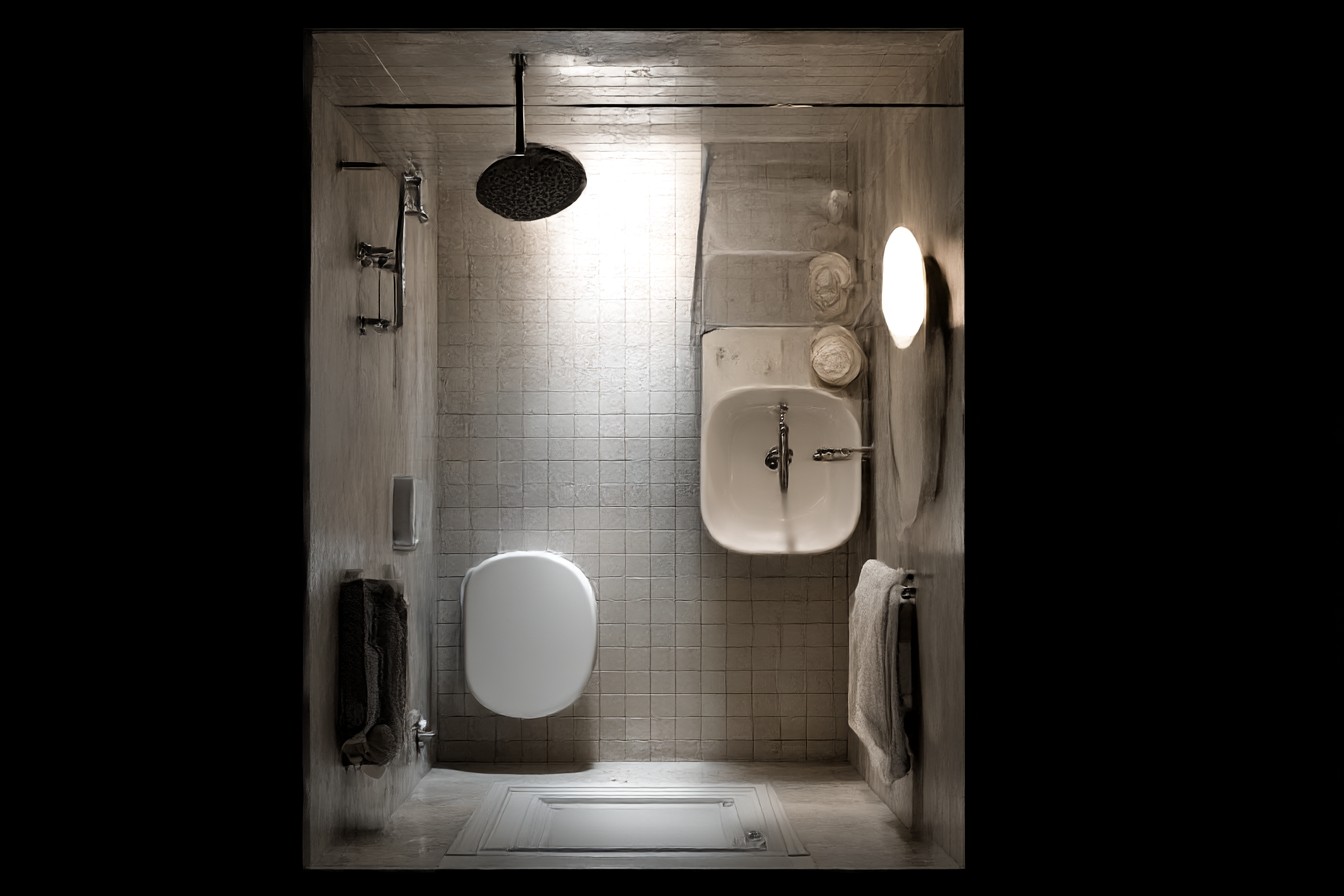
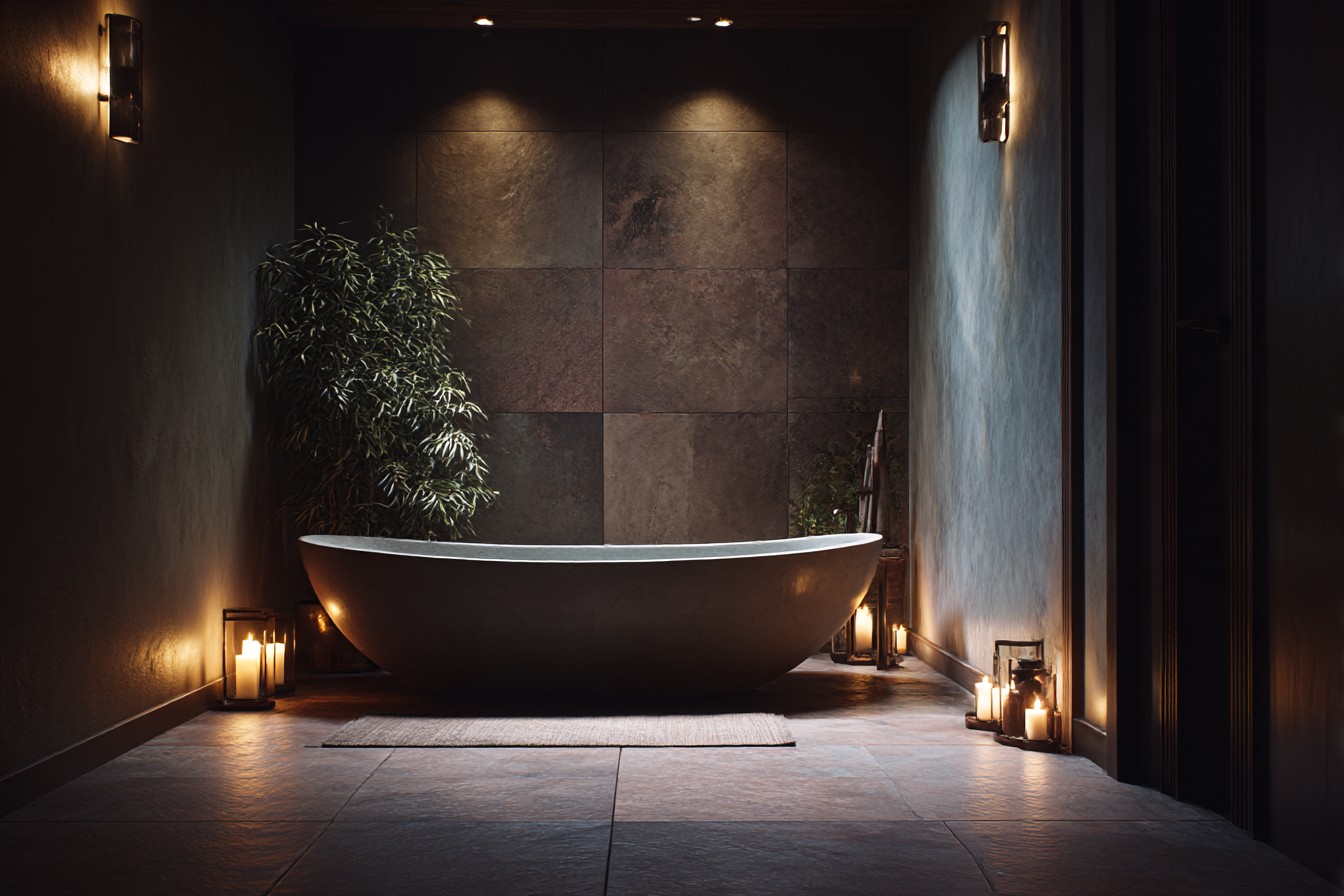
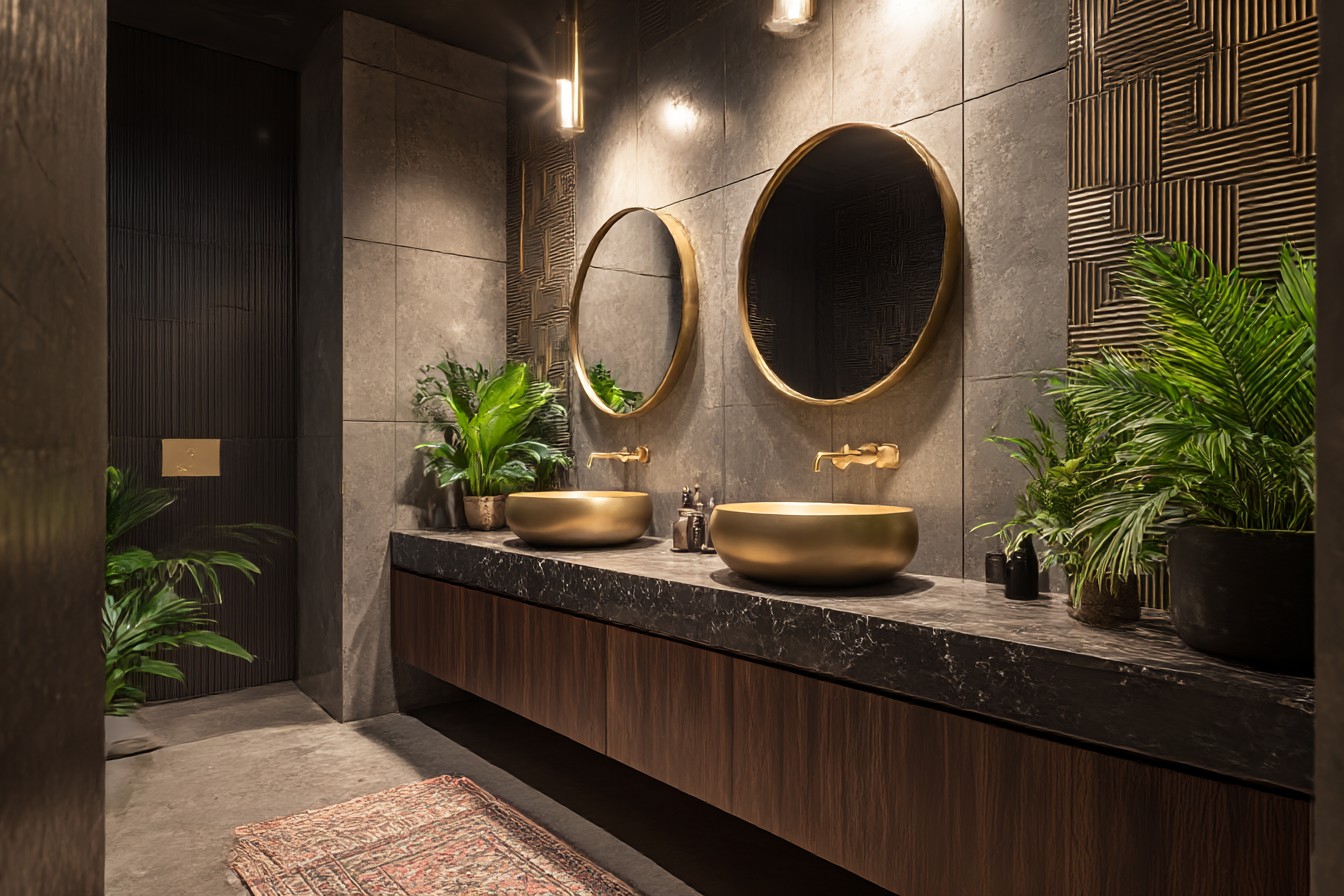
You know that sinking feeling when you walk into a high-end hotel bathroom and think, “this is what my life is missing?” the gleaming marble, those perfectly positioned towel warmers, the rainfall showerhead that makes you forget you’re not actually staying in a spa. I had exactly that moment Three months ago at a boutique hotel in bath. But instead of sighing wistfully like i usually do, i thought, right. I’m going to figure this out.
My own bathroom was… well, let’s just say it had potential. Builder-grade everything from 2003. Beige tile that somehow makes you look sallow no matter how much sleep you’ve had. And a mirror that belonged in a gym changing room. But i had £2,800 to work with (saved by skipping takeaways for six months yes, i counted), and i was determined to create something that felt expensive without actually being expensive.
The first thing i learned? Luxury is often about proportions and lighting, not just materials. That hotel bathroom felt amazing partly because the vanity was the right height, the lighting was warm and even, and everything had proper storage so nothing was cluttering the surfaces. You can buy the fanchest marble in the world, but if it’s lit by a single harsh bulb and surrounded by bottles of shampoo, it will feel like an expensive mistake.
I started with what i call the “squint test” basically, what catches your eye when you’re not focusing on details? In luxury bathrooms, it’s usually three things: beautiful surfaces, statement hardware, and that perfect lighting. So that’s where i put my money.
For surfaces, i discovered porcelain tiles that look exactly like Carrara marble but cost about a tenth of the price. I’m talking £12 per square metre instead of £120. The key was finding ones with subtle veining that didn’t look too obviously fake spent an embarrassing amount of time at the tile shop holding samples up to the light, checking if the patterns repeated too obviously. Pro tip: if you can spot the repeat pattern immediately, so can everyone else.
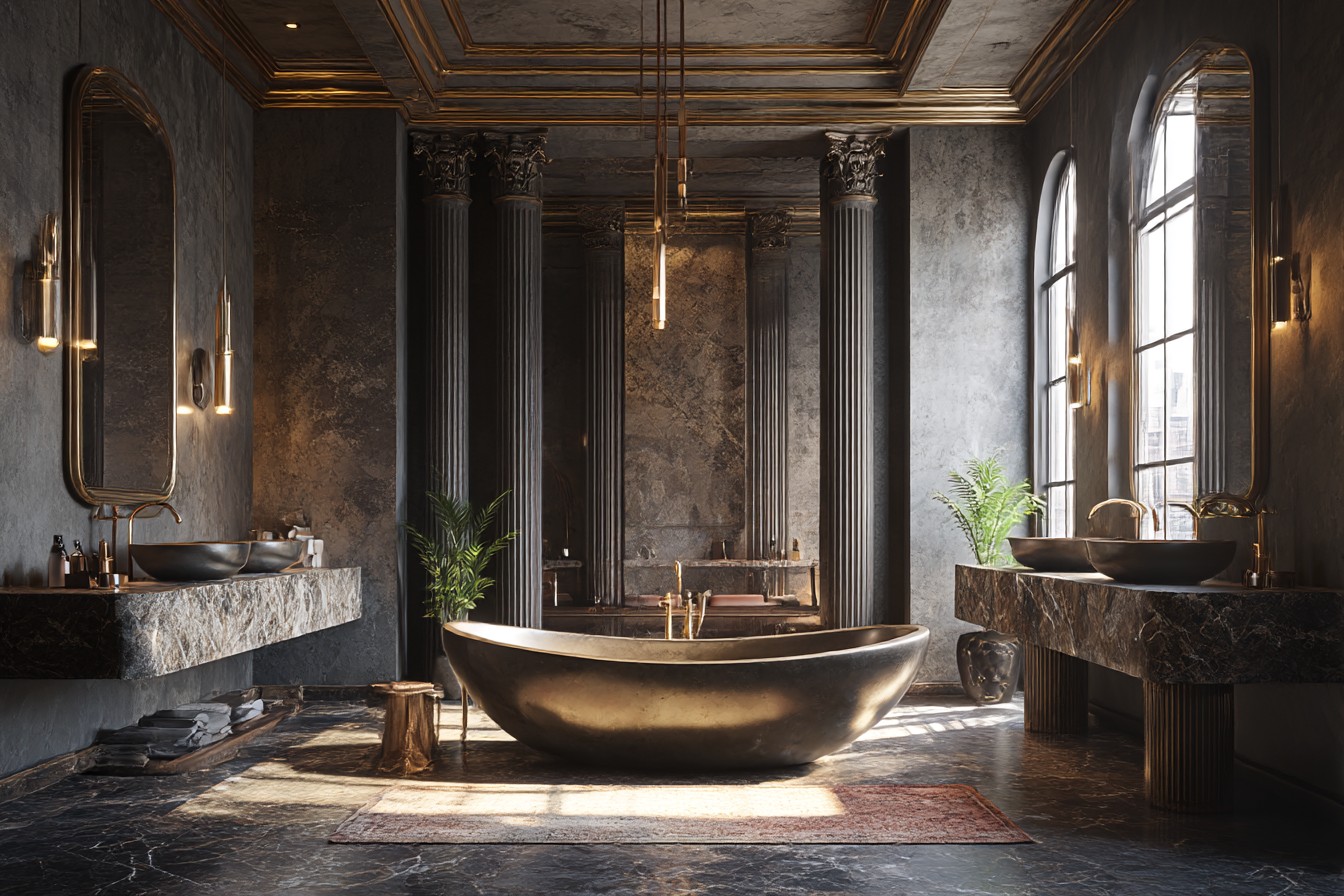
The installation was… an adventure. Hired a tiler for the shower (some things you just don’t DIY), but did the vanity backsplash myself. Nearly gave myself a heart attack when i realised i’d miscalculated and was three tiles short, but it turned out the slight variation in batches actually made it look more authentic. Sometimes mistakes work in your favour.
For hardware, i went completely overboard on research. Spent weeks comparing brushed brass taps, because i’d noticed that cheap brass looks, well, cheap it’s too yellow, too shiny, like costume jewellery. But there’s this sweet spot around £180-£220 where you get proper quality without the designer markup. Found these crosswater taps that felt substantial when you turned them (you know that satisfying click good hardware has?) and they’ve held up perfectly despite my partner’s tendency to crank them shut like he’s operating heavy machineary.
The lighting transformation was probably the most dramatic. Replaced that awful ceiling spotlight with two wall-mounted scones flanking the mirror makes such a difference for doing makeup or, you know, actually seeing what you look like. Got them from a lighting outlet shop for £85 each instead of the £300 they cost at the fancy design places. They are the same fixtures, just without the boutique markup.
But here’s what really sold the luxury illusion: the mirror. I’d been planning to just replace the builder-grade one with something bigger, but then i found this technique where you can create a “floating” mirror effect by mounting LED strips behind a frameless mirror. Sounds complicated, but it’s actually pretty straightforward just needs precise measuring and cable management. Cost me about £120 total, looks like it cost ten times that.
The shower was where i got really creative with my budget. Couldn’t afford a proper rainfoal head (good ones start at £400), but i found this overhead shower that’s basically the same thing for £95. The difference? The expensive ones have better internal mechanisms and longer warranties, but day-to-day? The water feels exactly the same hitting your head.
Added a handheld shower too not just for practicality, but because having multiple shower options is such a luxury hotel thing. When people use my bathroom now, they always comment on how “spa-like” it feels. The secret is that wall-mounted soap dispensers and a little corner shelf for bath products suddenly you’re not dodging shampoo bottles, and everything looks intentional.
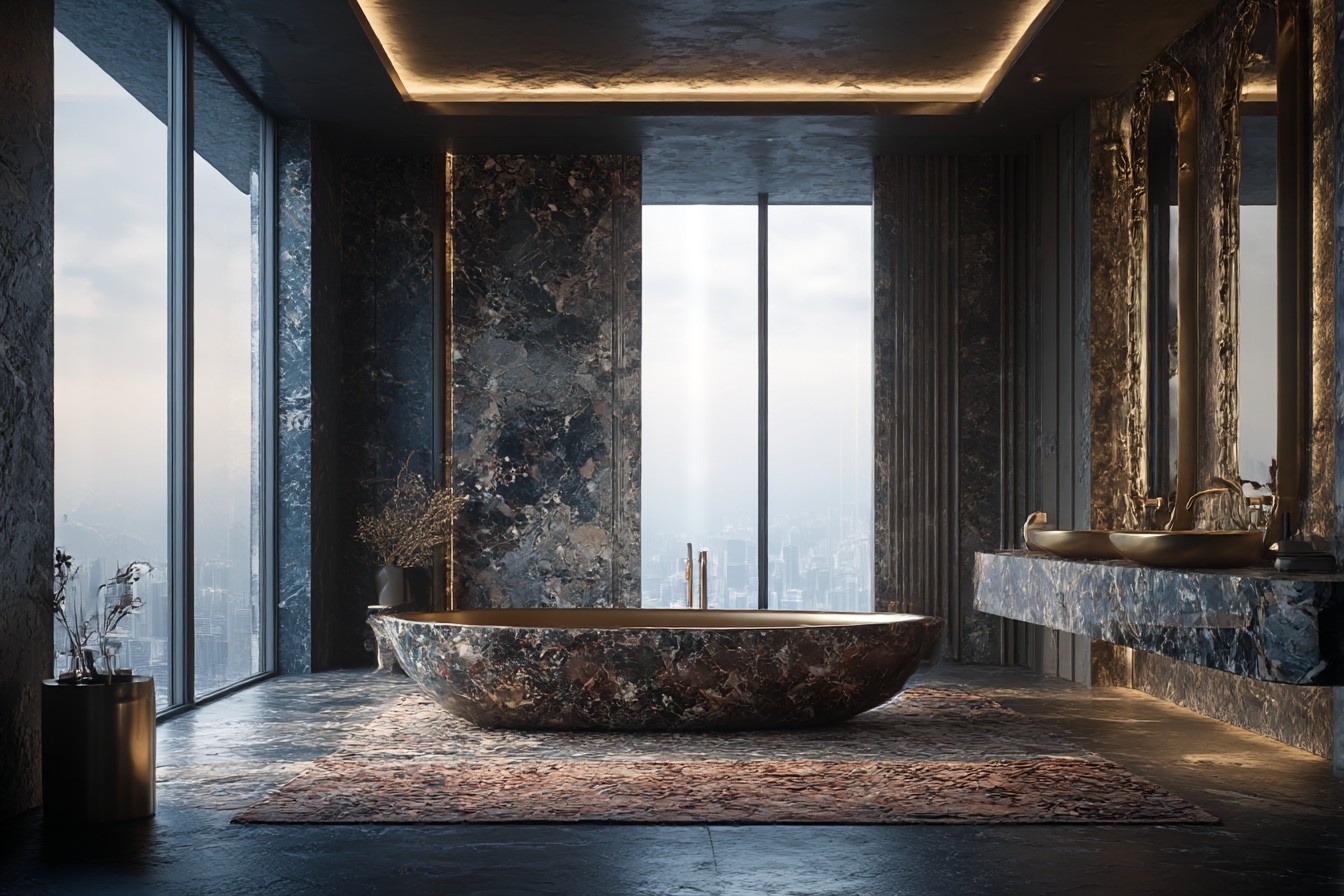
Storage was crucial. Built a vanity unit using IKEA cabinets as the base (£180) but upgraded the doors and added a proper stone-effect worktop (£320). Looks completely custom, costs less than buying a ready-made vanity that would probably be lower quality anyway. The trick was spending time on the details proper soft-close hinges, decent handles, making sure the worktop overhang looked professional.
What i wish i’d known from the start: luxury bathrooms aren’t just about looking good, they’re about feeling good to use. That means heated floors (got electric under-floor heating mats for £280), proper ventilation (upgraded the extractor fan boaring but essential), and enough electrical sockets in sensible places. Nothing ruins the spa vibe like having to unplug the heated towel rail to use your hairdryer.
Three months in, and i genuinely forget this isn’t an expensive bathroom. Friends assume i spent thousands more than i actually did. The marble-effect tiles still look convincing, the brass taps have developed a lovely patina, and that LED mirror makes me feel like i’m getting ready in a five-star hotel every morning.
Total spend was £2,650, leaving me £150 for the celebratory champagne i definitely deserved after wrestling with tile adhesive and spirit levels for three weeks. Best money i ever saved by eating too many home-cooked meals.