RIGHT NOW, I am in my bedroom, holding a measuring tape in one hand and a pencil stub behind my ear. My dresser is a whopping six inches away from the wall. Six inches. That’s it. And I’m starting to think that if I’d simply measured my furniture, I would’ve saved myself three trips to IKEA.
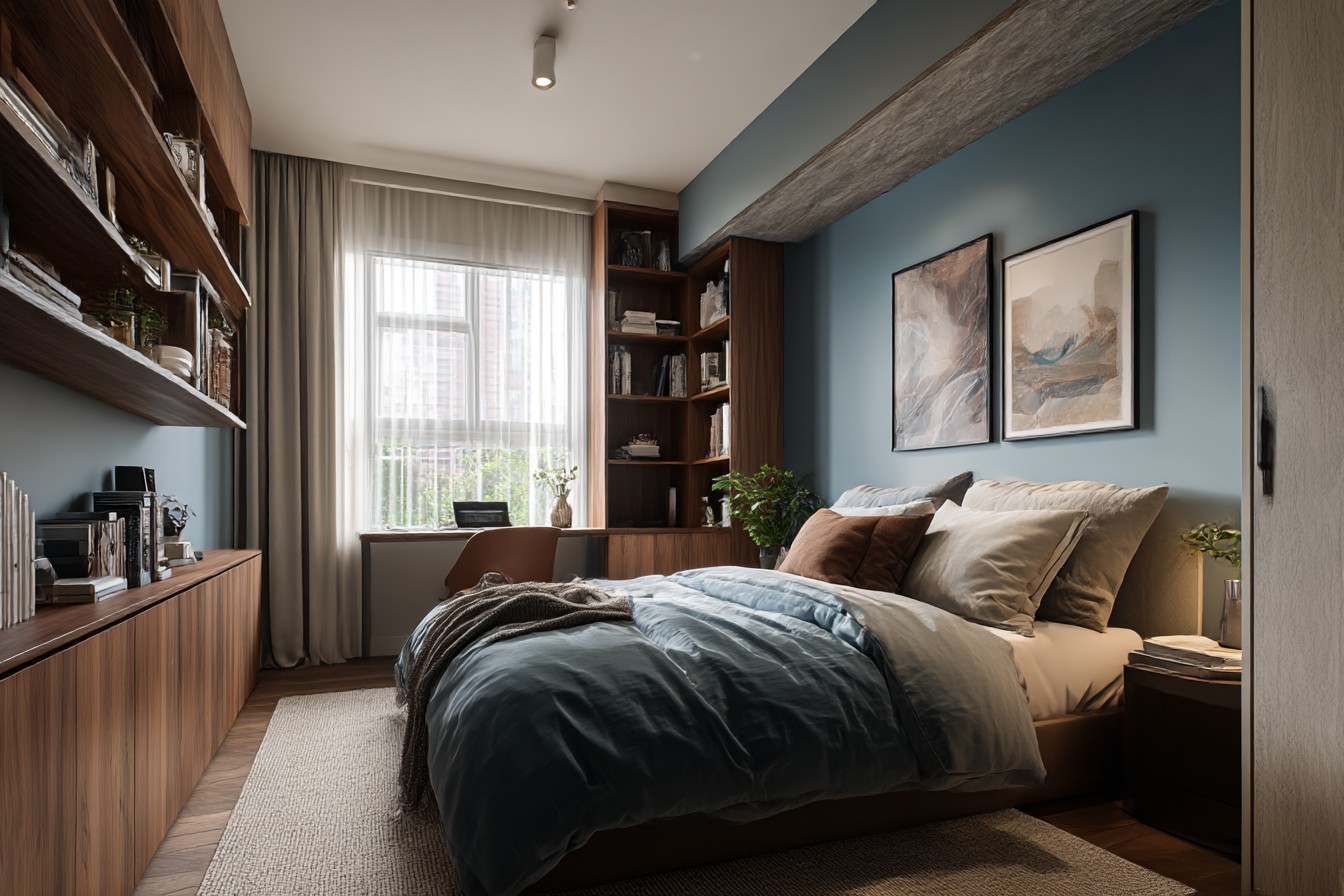
All of this began after I moved into what the estate agent referred to as a “cozy double bedroom.” Which translates from property speak to mean, you can almost reach both walls if you stretch your arms wide enough. The room is 9 feet x 10 feet. Honestly, it’s taught me a heck of a lot more about smart shopping than any design class I ever took.
You see, no one tells you about small bedrooms: every single inch counts, but not in the way you think. It’s not just about jamming stuff in; it’s about learning the magic numbers that turn a space from merely functional to actually livable.
To begin, beds themselves require a minimum of 24 inches of clearance on the two sides you’ll be exiting from. I learned this the hard way when I put a double bed in my very first tiny bedroom and had to perform this strange sideways shimmy every morning just to reach my slippers. Not cute. Not practical. Just annoying. Every. Single. Day. For Eight. Months. Until I finally purchased a smaller bed.
But this is where it gets interesting and where I started carrying around a small notebook with measurements that actually matter. The common clearance everyone refers to is 36 inches, but honestly? That’s luxury space in a small room. I’ve determined that 24 inches work fine unless you’re planning to store items under your bed. However, if you want to pull out storage containers or even properly make your bed (i.e., tuck in sheets like an adult), you need a minimum of 30 inches.

My current arrangement is a double bed placed such that I have 28 inches of clearance on one side (where I maintain a small laundry basket that fits perfectly under the bed) and 18 inches on the opposite side, flush against the wall. That 18-inch clearance allows me to change the sheets without cursing, but it’s also tight enough that I was able to reclaim additional floor space for other purposes.
Wardrobes are probably the biggest area of mistake for people. While most people focus on the overall width and height of their wardrobes, no one considers the door swing. Standard wardrobe doors typically require approximately 24 inches of clearance to open completely especially if you’re like me and tend to throw open doors quickly while running to get dressed. If you fail to provide sufficient clearance, you’ll end up damaging walls and bruising your hands. I converted my current wardrobe to sliding doors, which require only 6 inches of clearance, allowing me to bring my dresser an additional 18 inches closer to the window.
Regarding dressers, this is where my little notebook really pays off. Most bedside tables are 24 to 28 inches tall, which works fine if you have a standard-height mattress. However, my bed is slightly taller (I have one of those platform frame beds with built-in storage), so typical bedside tables appeared awkwardly short. I ultimately located a 32-inch dresser that functions perfectly as a bedside table on one side, offering both counter-top space and drawer storage.
The problem with purchasing furniture for small spaces is that you cannot simply rely on the product specifications and picture your furniture fitting. You must know your actual walkway dimensions, door widths (mine are 28 inches a relatively narrow width), and how much space your existing furniture takes up when drawers are opened and/or doors are partially ajar.
I now carry a list on my phone: bed-to-wall clearance (28” and 18”), door swing space required (24”), height from the floor to the windowsill (34”), distance between the bed and dresser (30”), and the big one diagonal measurement from corner to corner (13’ 2”). That diagonal measurement has saved me so much time and trouble when purchasing rugs or trying to determine if a piece of larger furniture will even fit in the doorway and make the necessary corner turns.
I should also dedicate a special mention to the rug situation. In a 9×10 room, you cannot do the “rug extends past all furniture” type of design that looks so great in magazines. I once purchased a 7×9 rug, which gave my room the appearance of a hotel. Now I purchase a 5×7 rug that sits directly under the leading edge of the bed and extends roughly 18 inches on either side. This is perfect for walking barefoot in the mornings and does not overwhelm the room.
Storage is perhaps the most important aspect of knowing your measurements. Those popular cube storage units? They’re normally 13 inches deep. Which sounds fine until you realize how much of your floorspace these units take up in a small room. I found some 9-inch deep shelving that holds the same amount of space, but provides an additional 4 inches. Of course, 4 inches may seem like nothing, but in a small space, it makes the difference between feeling claustrophobic and feeling organized.
The measurement I find most valuable to track is what I refer to as “functional floor space,” which essentially represents how much real foot traffic space I have left over after all of the furniture is in the room. With my current setup, I currently have roughly 18 square feet of unobstructed foot traffic space, which is sufficient to allow me to shoot yoga video clips or lay out clothing without feeling confined.
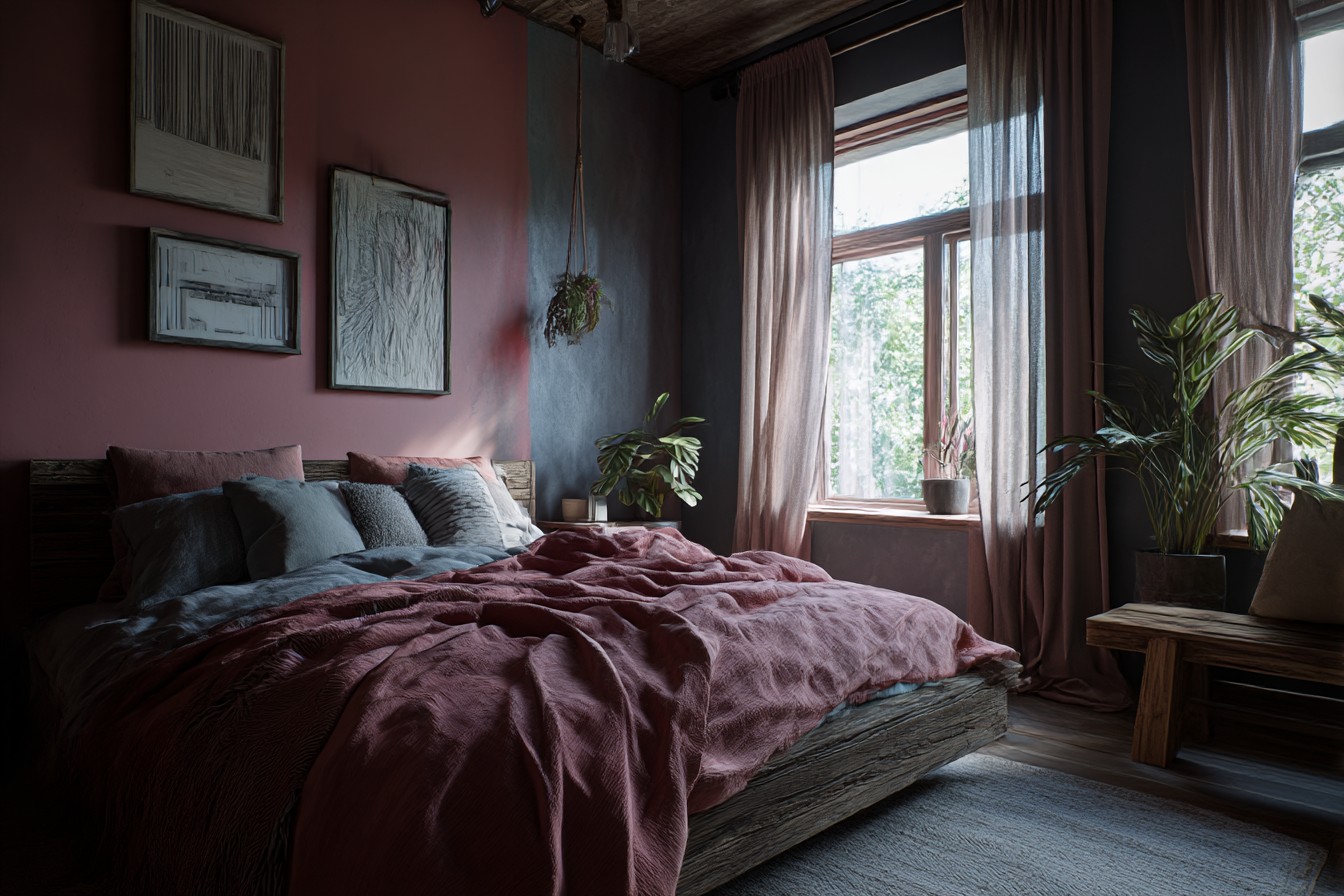
It wasn’t until I realized that standard furniture measurements do not take into consideration how you truly live that my shopping habits were revolutionized. Like, a 6-drawer dresser may be 58 inches wide, but if you factor in the amount of space you’ll need to draw out each of the drawers (approximately 18 inches), you’ll be consuming 76 inches of total room width. That’s more than my entire wall space.
Currently, whenever I shop whether it’s online or browsing stores I have my measurements memorized and I also have photos on my phone of each wall and corner. Sounds obsessive? It has saved me countless hours of returning items and that frustrating experience of falling in love with something that simply won’t accommodate your lifestyle.
The best news is that, once you understand your space so thoroughly, you start seeing potential in every direction. That thin console table that’s too small for most people’s living rooms? Great bedside table for a compact space. Those shallow bookshelves intended for apartment dwellings? Perfect for storing folded clothing without taking up a lot of floor space.
Each small room teaches you something unique about how to efficiently inhabit a space, but they all teach you the same thing: Measure twice, buy once, and always consider how you actually navigate your space, not just how things look when they are perfectly arranged.