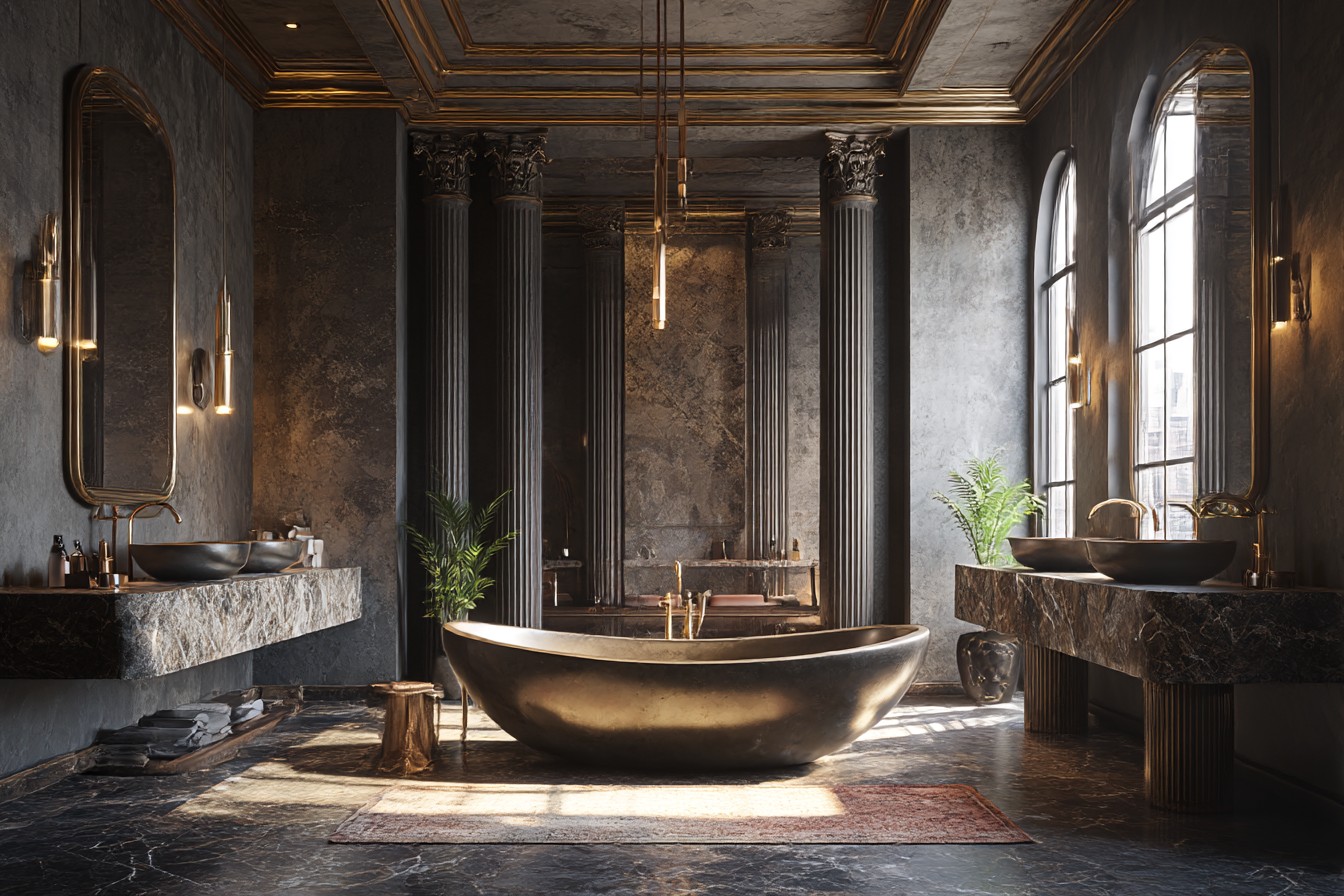
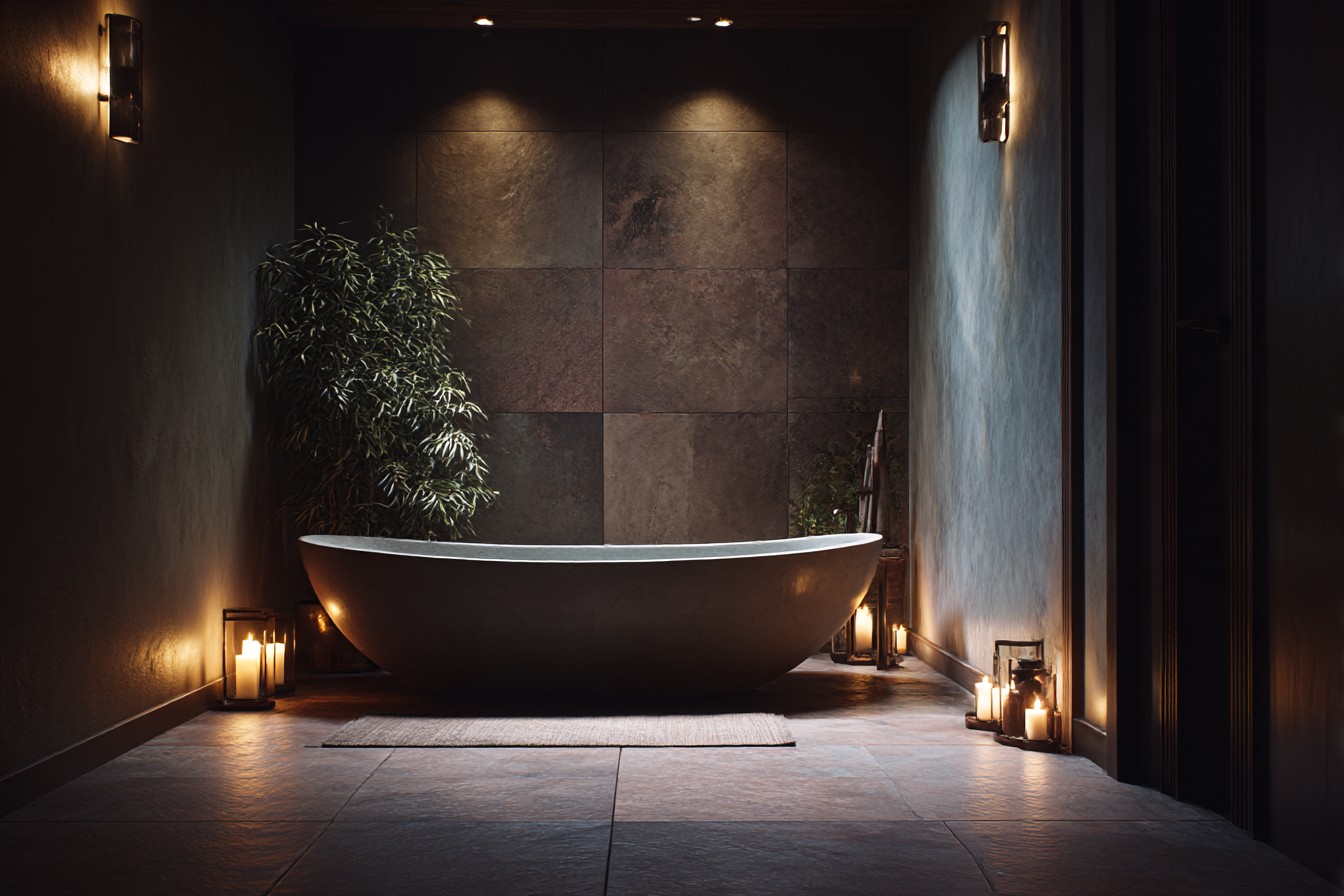
Grey has become the hottest new neutral for bathrooms. I personally love grey. Grey that wraps around you like a cashmere blanket is great. However, grey that makes you feel like you’re washing up in a hospital corridor is bad. I have spent the last few years experimenting with grey bathrooms, and I’ve learned the hard way that the devil’s in the details. The devil’s also in knowing that not all greys are created equal.
My own grey bathroom disaster occurred about 3 years ago. I had seen the most beautiful charcoal subway tiles everywhere. I fell head over heels in love with them. I ordered them online (that was my first mistake), and I chose the cheapest white grout available (my second mistake). I painted the walls what I thought was a “warm dove grey”, but ended up being more like “a sad pigeon in winter”. My bathroom looked so bad that I wanted to brush my teeth in the kitchen sink.
What went wrong with my bathroom wasn’t the grey. What went wrong with my bathroom was I created a monochrome box without any warmth anchors. There was no contrast, no texture, no life. It was like living inside a pencil sketch.
Since then, I have learned something. Warm greys are your friends. I am referring to greys with brown, beige, or even a little bit of purple undertones as opposed to those bright, blue based greys that scream dental office. When I repainted that bathroom wall in Benjamin Moore’s Classic Grey (despite the name, it is a warm grey), the whole room changed. Same tiles, same fixtures, same bathroom. Suddenly, it was a place that I would want to spend time in.
However, paint color is just the beginning. It is the natural materials that will bring your grey space to life. I added a large, oak, floating shelf above my sink. I paid $45 for it from a local timber merchant. I could have bought something similar at a big-box store. The wood grain adds contrast to the grey and instantly gives the space a more organic look. Less sterile.
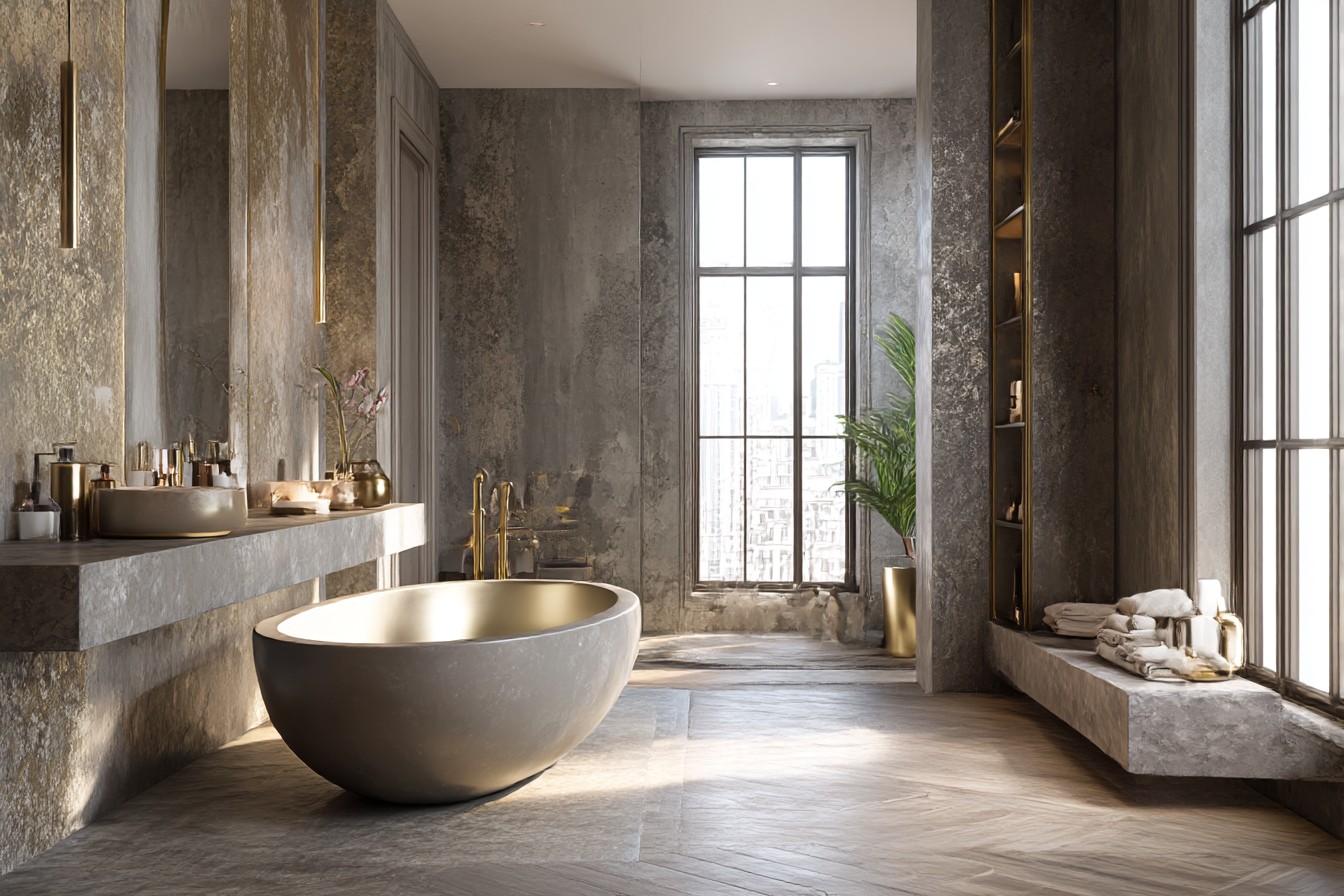
A lot of things work well with grey. One thing that I used was a smooth river rock shower mat. It cost me $22 on Amazon. Every morning when I step into it, I feel that nice textural surprise that brings the space down. Plus, it drains very easily and doesn’t look like I’m trying to cover up something.
I would say the biggest game changer was changing my chrome fixtures to warm brass. Everyone says that brass is the “it” thing right now, and I agree. Brass is perfect for creating a warm gray space because it adds a nice warmth to the cool gray. I didn’t pay full price for my brass fixtures either. I purchased them at a local bathroom outlet for half the price of the retail version. They have been in my bathroom for 2 years now, and I still enjoy looking at them each time I wash my hands.
One thing that almost every person does wrong in their gray bathroom is lighting. You cannot put harsh overhead down lights in a gray bathroom and call it inviting. I did this in my bathroom originally and it made it look like an interrogation room.
Instead, I layer my lighting. I use a backlit mirror for task lighting and it doesn’t cast any ugly shadows. I placed some LED strip lighting behind my oak floating shelf. It creates a nice ambient glow. And finally, I put a table lamp on the windowsill. It sounds crazy, I know, but the warm light it produces on cloudy mornings is the difference between feeling like I’m ready for the day and feeling like I need to prepare for surgery.
Soft textures are another trick for making a hard, gray space feel softer. I have a large, chunky knit bath mat (it is machine washable), plush white towels (I actually replace them regularly and don’t let them wear out), and a small wooden stool with a woven seat (I sit on it or use it to hold clothes). Soft elements add visual interest to a sea of stone and tile.
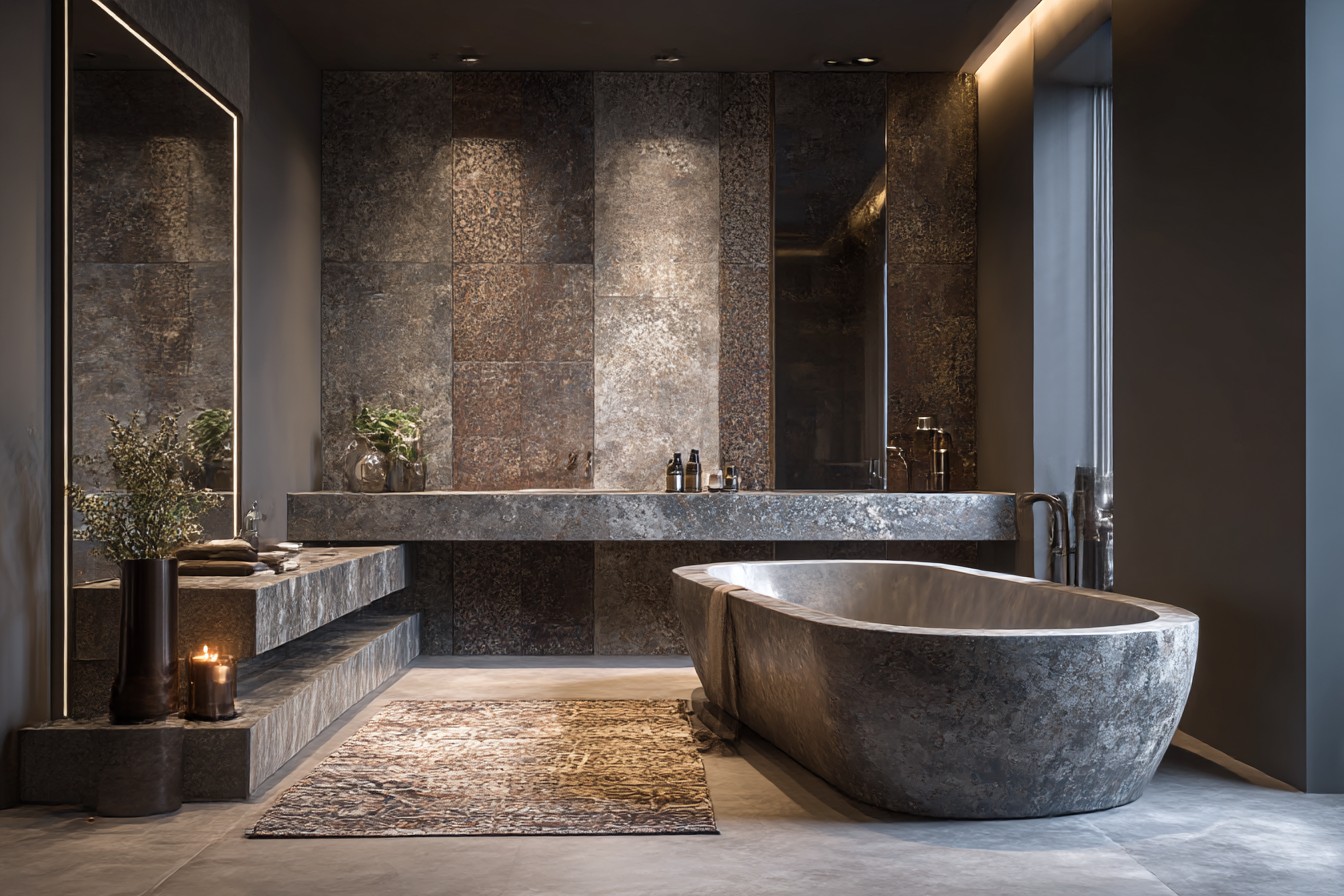
Plants can completely transform a gray space, but you have to pick the right plants. I tried three different plants before finding a ZZ plant that will grow in the low light of my bathroom and tolerate the occasional steam. It is sitting on that oak shelf and adds a nice splash of green to the otherwise gray space. Try to limit yourself to one healthy plant. Five dead plants are worse than one.
You would think that how hot your water gets isn’t important in a gray bathroom. Well, you would be wrong. I installed a small heated towel rail (it’s not just for show it actually helps on chilly mornings) and underfloor heating. The underfloor heating was a major expense, but standing on warm floors instead of cold stone makes the space feel welcoming.
Finally, placing mirrors in your gray bathroom is super important. I have two. The larger one is hung above the sink and the smaller one is a rounded mirror hung on the opposite side of the bathroom. The two mirrors create a sense of depth in the space and help reflect the light. Without a second mirror, the space can start to feel cave-like.
The idea is to add warmth to your space, not find one thing to solve the issue. Add warmth with your paint color, natural materials, good lighting, soft textures and thoughtful touches. The combination of these elements will give you a gray bathroom that you’ll want to hang out in. Don’t try to add everything at once. I added items slowly over a period of about 6 months. That slow process helped me understand what worked and when I should make bigger changes.