I was standing in my master bathroom staring at that beige fiberglass panel around my perfectly serviceable but completely soulless bathtub when I experienced what I would call a design intervention. There is that moment when you notice your space through brand-new eyes? When someone comes to visit and says “this is…cozy” using that politeness when describing something undesirable? That is my experience with the bathtub. There was zero personality in the generic builder-grade stuff that was installed; the same could be said for the hospital corridor ambiance.
The good news was that the tub functioned properly. It was a good size and had a reasonable depth. It did not leak and it did not stain. However, the walls were screaming “we quit before we started.” I had lived with them for two years and told myself that eventually I would rip out the entire bathroom. Honestly? That seemed daunting and costly and I was not prepared to take on the chaos of a complete remodel.
It was then that my sister came to visit last Spring and commented casually that the bathroom felt like it was “trying to disappear.” This was not a mean-spirited observation. She was correct. The entire space was so overly neutral it may as well have been invisible. At that time, I realized I did not have to replace every single item. I simply needed to give the items that existed some reason to be viewed.
Tile is probably the obvious solution. I had been gazing longingly at those fabulous subway tile installations on Instagram where some person turns a basic tub into a magazine worthy oasis. However, when I began to measure and price tile, reality struck me. Tile is not cheap. Labor costs…well, let’s just say I understand now why so many people settle for builder grade stuff.
I researched alternatives for weeks. Here is what I learned: you have more choices than you realize. Many of these alternatives are inexpensive. Your job is to determine what you care most about. Are you interested in creating a space that looks high end? Are you concerned about ease of maintenance? Are you capable of installing items without having to toss your tools at the wall?
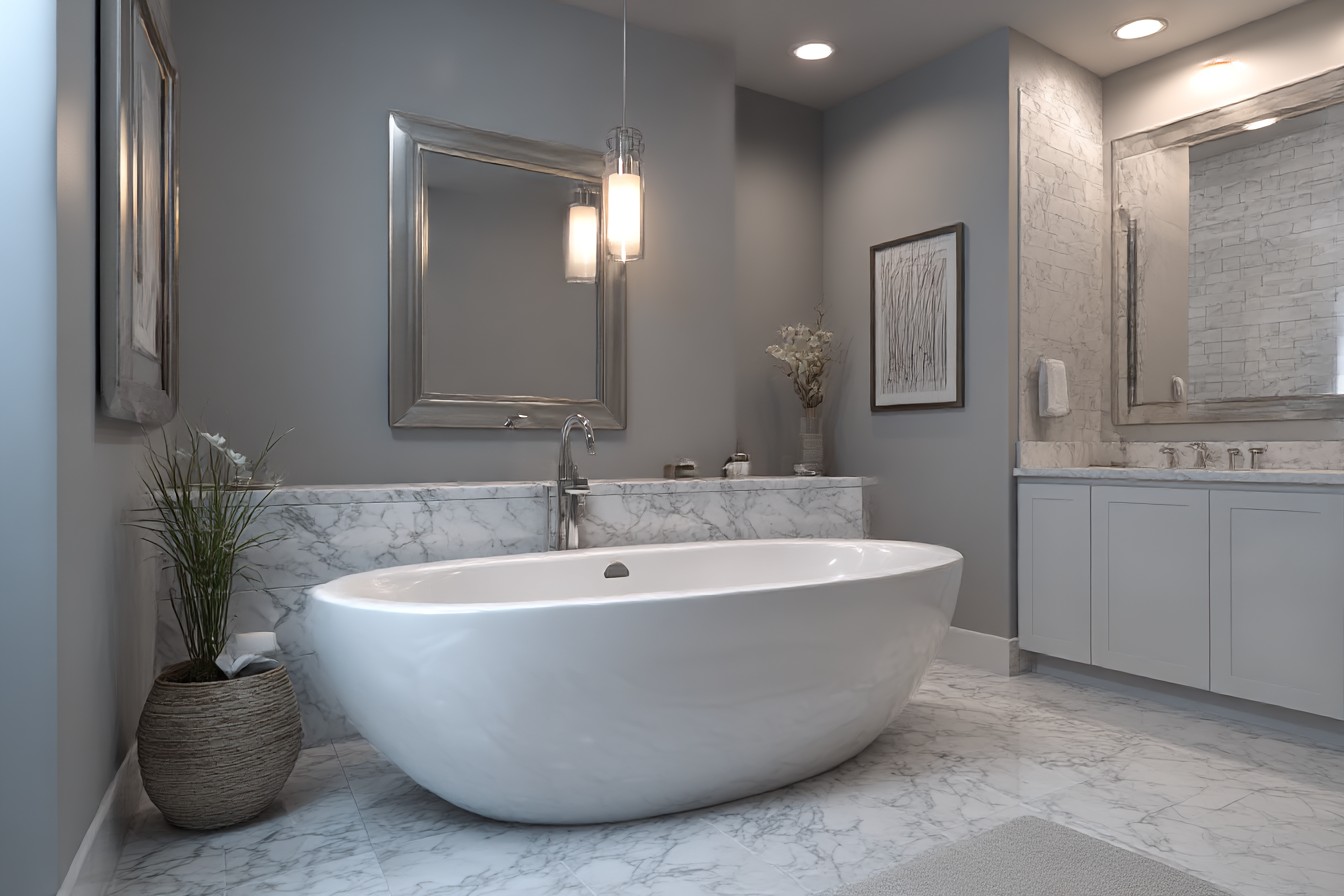
Acrylic panels became my entryway to transforming my bathroom. To be honest, I was skeptical at first. Aren’t acrylic panels just…more plastic? However, the new products available today are far removed from the cheap, flimsy stuff used twenty plus years ago. I found panels that had a natural stone appearance with actual texture. The installation process was simple enough that I felt comfortable attempting to do it myself. Since I was doing the installation myself, that immediately cut the overall cost of the project.
I chose panels with a subtle marble finish. They had a sophisticated feel without being overly flashy. Installing the panels was almost meditative. Measuring, cutting, applying adhesive. It took me the better part of a weekend, but I was able to complete the task mostly in the evenings when the chaos of everyday life dissipated. The difference was immediate and striking. Instead of that empty, soulless void, I now had a bathroom with a focal point.
However, this is where things get really interesting. Once I had completed the surround, everything else in the bathroom appeared to be subpar. It is almost like cleaning a dirty window. You begin to notice the grime elsewhere. In my case, I noticed the builder-grade faucet, the basic towel racks, and the generic mirror. One upgrade had created a ripple effect of self-awareness.
This is when I began to contemplate building in storage solutions. Those built-in corner niches that appear to be a seamless part of the surround? Yes, you can retro fit them. I created a rectangular built-in in one of my new panels (measured carefully and prayed several times) and lined it with matching tile. I now had a legitimate place to store shampoo bottles rather than that tacky plastic holder that was suspended from the showerhead like a white flag of bathroom surrender.
The lighting situation was another area that required attention. Builder-grade bathrooms typically have that one obnoxious overhead light that makes everyone appear to be trying out for a horror movie. I installed LED strip lights behind a small ledge that I created in the surround design. The result is a soft, warm glow that gives the bathroom a cozier, more deliberate feel. Installation was much more difficult than I anticipated. Dealing with moisture rated electrical components will always make me anxious. However, the final product was worth the extra effort.

For those of you who are more adventurous than I (or have deeper pockets) a full tile surround is still the gold standard. I’ve seen friends produce amazing results with anything from classic subway tile to dramatic large format porcelain. The important thing to consider is that it’s not just the tile itself. The color of the grout can make a huge difference. How you treat the edges can either save or ruin the finished look. And for goodness sake, do the proper waterproofing behind the tile. I’ve seen far too many beautiful installations destroyed by moisture damage due to skipping the necessary prep work.
Additionally, there is something to be said for mixing materials. My neighbor combined tile on the primary walls with a natural wood accent panel on one wall. Sounds crazy, but with proper sealing and ventilation, it creates a sense of warmth and relaxation that makes her bathroom feel like a sanctuary rather than just a functional space.
The budget-friendly option I chose cost approximately $400.00, including the panels, adhesive, a couple of basic tools I didn’t own, and materials for the built-in niche. A full tile surround would likely be in the range of $1,500.00-$2,000.00, depending upon the materials, tools, and waterproofing system. Both options are viable — it just depends on your goals, abilities, and wallet.
In retrospect, I wish I had tackled the surrounding areas sooner. Leaving everything else builder grade while upgrading the tub surround alone creates a strange disconnection. However, starting with the surround provided me with the courage to address additional upgrades gradually. Sometimes, you need to achieve success in one area to motivate yourself to believe that transformation can occur in incremental amounts.