Have you ever stepped into a bathroom and thought to yourself that the walls just existed? They were not creating any particular excitement; they simply existed. They were painted beige or white. The space felt cold, and clinical. I was in that very same position exactly three years ago, standing in front of the walls of my guest bathroom, and I thought they looked like they belonged in a budget hotel, not in a home where people really wanted to be.
Now, I did not find the walls to be absolutely terrible. They were merely dull. The walls were drywall. No personality. However, the thing I have learned over the course of numerous weekend DIY projects, and countless hours spent browsing Pinterest boards walls do not have to be non-active. Walls can actively contribute to a space, add personality, warm a space, and make the space feel more deliberate. That is where paneling comes in. Honestly, paneling has quickly become one of my favorite ways to transform boring bathroom walls into something visually appealing.
When I first heard the term “bathroom paneling,” I immediately thought of the dark wood grain panels from the 1970’s. These types of paneling made every room feel like a hunting lodge. Modern paneling is a totally different animal. With modern paneling we can add texture, visual appeal, and yes, even some functional advantages, such as hiding imperfections in old walls, and protecting against moisture.
My first experience with using paneling in a bathroom occurred in that guest bathroom. The space was small roughly 6 x 8 feet. The walls had this unfortunate trait of revealing every single scratch and water droplet. For months, I had avoided the issue by simply cleaning the walls and acting as if they did not appear worn. When my sister came to visit, she stated the bathroom seemed “a bit cold,” I knew it was time to take action.
After hours of scouring the internet for renovation ideas and design inspiration, I ultimately decided upon beadboard paneling. I chose wainscoting. The goal was to add visual weight and texture to the space, while still maintaining openness.
This is what I wish someone had informed me of prior to embarking on this journey: Moisture resistance is not only crucial, it is critical. Bathrooms are essentially humid environments, and standard wood paneling will warp, crack, or grow mildew at a rate far quicker than most contractors want to hear the words “contractor callback.” I learned this the hard way when my initial selection, a beautiful pine beadboard from the local hardware store, developed cracks and stress after only three weeks of installation.
The answer? MDF (Medium-Density Fiberboard) coated with a moisture resistant coating, or even better, PVC beadboard that mimics the look of wood but remains unaffected by steam and splashing. Sure, it may be more expensive initially. Trust me, however, you will never regret paying more for a product that will remain intact long after it has paid for itself by eliminating costly repairs down the road.
While installing the paneling was relatively easy compared to other DIY projects, I strongly suggest having a level and being patient with your measurements. I used a combination of construction adhesive and finish nails, ensuring I could nail into the wall studs whenever possible. Construction adhesive alone was insufficient I tried it first in a small area and saw a panel begin to slide off the wall like it had lost its will to live.
The change was instantaneous, and quite frankly, unexpected. The same bathroom that had felt cold and clinical now had a sense of warmth and depth. The beadboard added shadows and highlights that shifted as the light changed through the small window. Additionally, the beadboard concealed all of the scratches and provided a much cleaner surface than painted drywall.
However, beadboard is certainly not your only option far from it. I have since experimented with multiple forms of paneling in a variety of projects and each offers something unique. For example, board and batten paneling creates a series of horizontal and/or vertical lines that can give the impression that the ceiling is higher, which is especially beneficial in rooms with low ceilings. I used this method in a powder room renovation last year, and guests consistently comment on how spacious the small room appears.
If you prefer a more contemporary aesthetic, you may want to consider flat panel wainscoting, or even shiplap (yes, it does work in bathrooms as long as you seal it correctly). I recently installed shiplap in my master bathroom, and ran it horizontally approximately halfway up the walls. Shiplap provides sufficient texture, without appearing overly rustic or overwhelming.
One method I have grown particularly fond of is combining materials. In a recent project, I combined subway tile on the bottom portion of the walls with vertical wood-look paneling above. The tile addresses the intense moisture exposure near the shower and sink, while the panels provide warmth and visual interest in areas away from direct water contact.
Your color choices also play a significant role in how the bathroom feels. Historically, I defaulted to white or natural wood tones. However, I have found that painted paneling in muted colors can significantly alter the ambiance of a bathroom. For example, a soft sage green wainscoting in my friends’ bathroom gives their white fixtures a crisp, clean appearance. Conversely, deep navy panels in a previous project created a surprisingly cozy atmosphere that works well with brass fixtures.
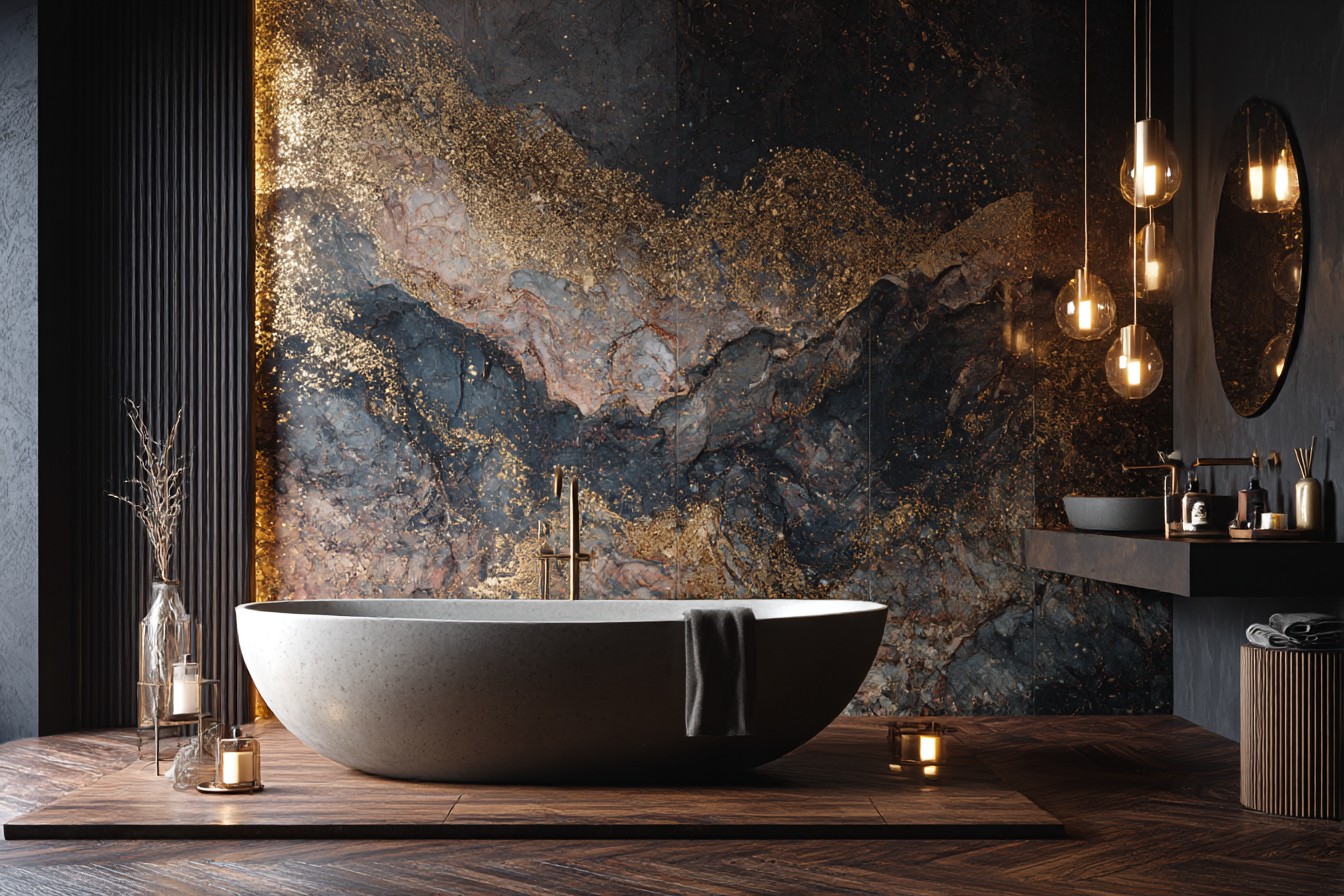
In addition to looking great, paneling has a number of additional practical uses. Paneling can conceal defects in older walls, provide insulation, and create a more durable surface in high traffic areas. I have found that walls with paneling remain cleaner longer, and are much more forgiving when it comes to minor bumps from a towel rack or medicine cabinet door.
Installation costs are highly dependent upon the type of material(s) chosen, and whether you elect to install them yourself, or hire a professional. My beadboard project required approximately $300 in materials for the small bathroom, plus approximately two full weekends of labor. A comparable project installed professionally would likely require $800-$1,200 in materials and labor, but you would receive perfectly aligned corners and no headaches from trial and error.
Ultimately, the key is to select a paneling style that matches the personality of your bathroom, as well as your comfort level with maintenance. Many materials require periodic sealing or repainting. Other products, like quality PVC options, are generally “set-it-and-forget-it.”
Reflecting on my decision to add paneling to that first bathroom, I realize that the simple act of adding paneling to that bathroom was one of those relatively inexpensive modifications that had a profound effect on the overall ambiance of the space. The bathroom that had previously gone unnoticed, and had felt cold and clinical, had transformed into a room people actually took notice of and commented on. Not bad for a weekend project and a fraction of the cost of a nice bathroom vanity.