The bookcase problem is almost always a spatial one. You know roughly where it needs to go, you know how many books you're dealing with, and then you spend weeks looking at pieces that are either too wide, too shallow, or so tall they would need bolting to a ceiling joist. Getting the size and shape right before you fall in love with a finish saves a lot of returned deliveries. We've organised this collection specifically around dimensions and form because that's where the decision actually starts. Tall and narrow for the alcove that's been staring at you for two years. Low and wide for the wall behind a sofa where ceiling height isn't available. Modular for the people who want to build something that grows. We've paid attention to shelf depth too, because a bookcase that only fits paperbacks is not much use to anyone with a collection that includes oversized art books. Start with the space. The right piece follows from there.
Top Picks

Large Bookcases That Earn Their Keep
ARACO INTERIORS
Laskasas TAYLOR Bookcase & Shelving Aged Oak Veneer Matte
Jump to section ↓
$5,419.00
ARACO INTERIORS

Living Room Bookcases That Hide the Clutter
ARACO INTERIORS
Laskasas BYLOT Bookcase & Shelving Aged Oak Veneer Matte
Jump to section ↓
$2,833.00
ARACO INTERIORS

Modern Bookcases That Sort the Chaos
ARACO INTERIORS
Laskasas BIEL Bookcase & Shelving Aged Oak Veneer Matte
Jump to section ↓
$3,125.00
ARACO INTERIORS

Oak Bookcases Worth the Footprint
ARACO INTERIORS
Laskasas RODNEY Bookcase & Shelving Aged Oak Veneer Matte
Jump to section ↓
$1,809.00
ARACO INTERIORS

Small Bookcases That Just Swallow the Mess
LA REDOUTE UK
Domeno Wall-Mounted Ladder Bookcase
Jump to section ↓
$95.99
LA REDOUTE UK
Large Bookcases That Earn Their Keep
A large bookcase is one of the few pieces of furniture that genuinely changes the character of a room. Not just fills a wall. Changes it. There is something about floor to ceiling shelving, or anything close to it, that makes a space feel more inhabited, more considered, more like someone actually lives there with intention. The problem is that most large bookcases fall into one of two categories: the ones that look impressive in a showroom and wobble in real life, or the flat pack options that sag under the weight of actual books within a year. We have been looking specifically for pieces that hold their structure over time, that suit real rooms rather than styled shoots, and that work whether you want proper organisation or the slightly pleasing chaos of an overfilled shelf. Adjustable shelves matter. Depth matters. So does whether it looks right when it is not perfectly arranged, because it never will be.
ARACO INTERIORS
Laskasas TAYLOR Bookcase & Shelving Aged Oak Veneer Matte
$5,419.00
ARACO INTERIORS

DOROTHY PERKINS UK
Living And Home -Tier L-Shaped Corner Bookshelf Wooden Storage Rack Bookcase Holder Organizer In Natural
$35.01
DOROTHY PERKINS UK

ARACO INTERIORS
Laskasas TAYLOR Bookcase & Shelving Smoked Eucalyptus Veneer Matte
$5,419.00
ARACO INTERIORS

ARACO INTERIORS
Laskasas TAYLOR Bookcase & Shelving Walnut Veneer Matte
$4,694.00
ARACO INTERIORS

LA REDOUTE UK
Rectiligne Metal & Glass Bookcase
$679.99
LA REDOUTE UK

LA REDOUTE UK
Hiba Bookcase in Solid Oak and Steel
$389.99
LA REDOUTE UK

DOROTHY PERKINS UK
Homcom Bookcase Storage Cabinet Shelves Unit Free Standing Two Doors Wooden In White
$51.85
DOROTHY PERKINS UK

DOROTHY PERKINS UK
Homcom Bookcase Modern Bookshelf Display Cabinet Cube Storage Home Office In Brown
$40.80
DOROTHY PERKINS UK

Living Room Bookcases That Hide the Clutter
Most living rooms are carrying more than they should. Remotes, chargers, random bits of paper, the things that don't have a proper home but can't quite be thrown away either. Open shelving shows all of it. A bookcase with doors, or a combination of open shelves and closed cupboards, changes that entirely. You get to display what deserves to be seen and quietly close the door on everything else.
What we've looked for here are pieces that do that without looking like flat pack furniture bought out of desperation. Proportion matters. So does the quality of the doors, the weight of the shelving, and whether it looks considered as a piece of furniture rather than just functional. Some of these are classic cabinetry shapes that work in older houses. Some are cleaner and more contemporary. All of them are doing the same job: making a living room feel calmer without demanding that you actually own less. That is the real trick.
ARACO INTERIORS
Laskasas BYLOT Bookcase & Shelving Aged Oak Veneer Matte
$2,833.00
ARACO INTERIORS

CHEAP FURNITURE WAREHOUSE
Carina Bookcase Oak Storage Organiser Shelf Living Room Furniture
$250.00
CHEAP FURNITURE WAREHOUSE

ARACO INTERIORS
Laskasas BYLOT Bookcase & Shelving Walnut Veneer Matte
$2,621.00
ARACO INTERIORS

ARACO INTERIORS
Laskasas BYLOT Bookcase & Shelving Smoked Eucalyptus Veneer Matte
$2,833.00
ARACO INTERIORS
ARACO INTERIORS
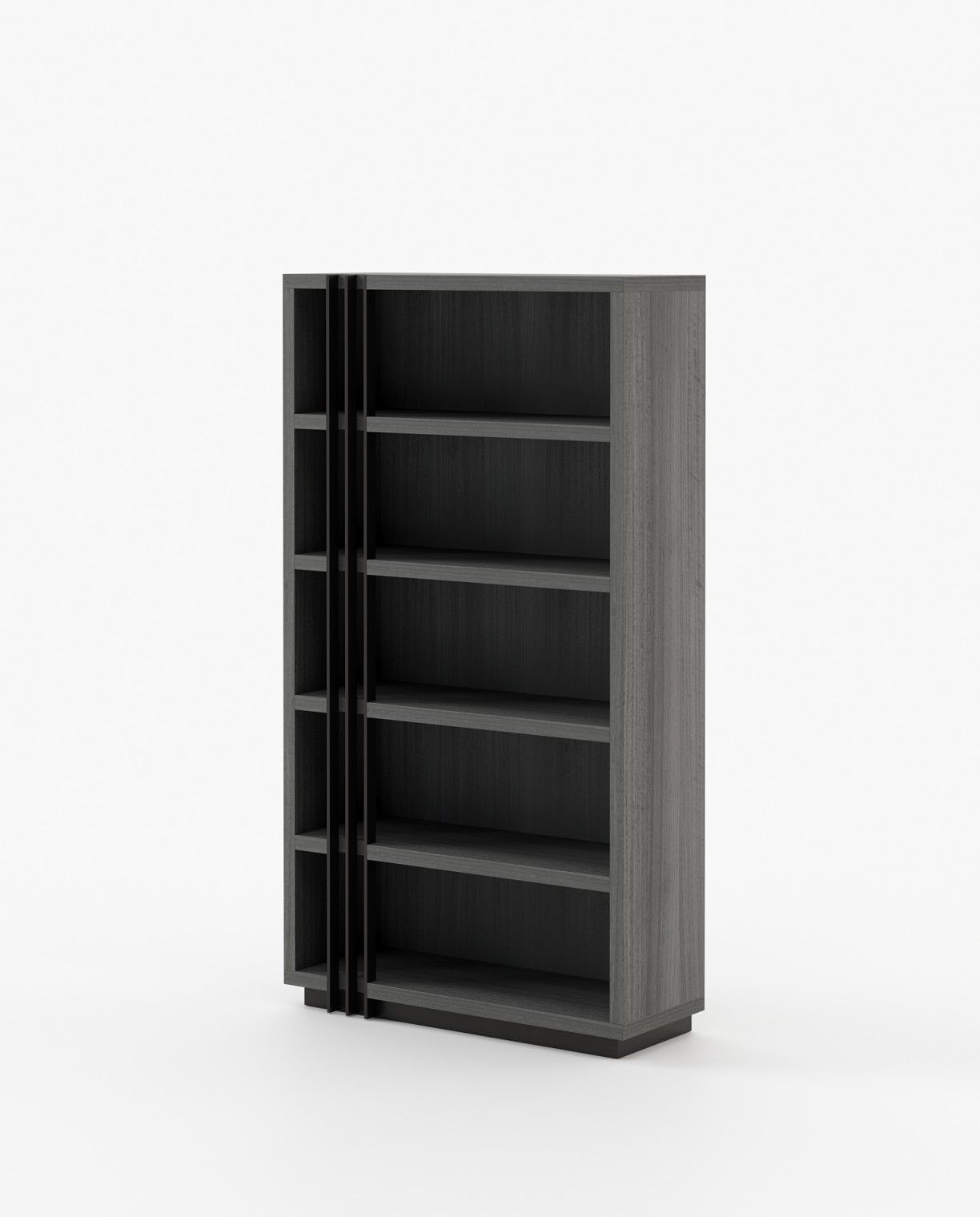
Laskasas D'ARC Bookcase & Shelving Grey Eucalyptus Veneer Matte
$4,089.00
ARACO INTERIORS

LA REDOUTE UK
Malu Rattan Bookcase with Shelves
$499.99
LA REDOUTE UK

CHEAP FURNITURE WAREHOUSE
Carina Drawer Bookcase Mid Oak Storage Organiser Shelf Living Room
$250.00
CHEAP FURNITURE WAREHOUSE

LA REDOUTE UK
Laora Cane Bookcase
$599.99
LA REDOUTE UK
Modern Bookcases That Sort the Chaos
Books are wonderful until they are everywhere. On the stairs, stacked beside the bed, forming precarious towers on surfaces that were supposed to be for other things. The problem is rarely the books themselves. It is the absence of a bookcase that was actually chosen rather than inherited or defaulted to. A good bookcase does more than organise. It gives a room a backbone, a place where things make sense. We have been looking for pieces that are genuinely modern without being cold, that offer real storage without eating a room alive, and that look considered rather than purely functional. Open shelving, closed compartments, modular options for people whose collections keep growing. The proportions matter. The finish matters. Whether it works in a living room, a home office, or a bedroom alcove matters too. Every piece here earns its floor space. These are bookcases for people who love their books and want a room that reflects that.
ARACO INTERIORS
Laskasas BIEL Bookcase & Shelving Aged Oak Veneer Matte
$3,125.00
ARACO INTERIORS

ARACO INTERIORS
Laskasas BIEL Bookcase & Shelving Smoked Eucalyptus Veneer Matte
$3,125.00
ARACO INTERIORS

LIVING WITH LUXURY
Maine Bookcase Single Bed
$375.99
LIVING WITH LUXURY

ARACO INTERIORS
Laskasas BIEL Bookcase & Shelving Grey Eucalyptus Veneer Matte
$3,125.00
ARACO INTERIORS

DOROTHY PERKINS UK
Homcom Modern Bookcase, Display Storage Cabinet With Adjustable Shelves In White
$139.40
DOROTHY PERKINS UK

DOROTHY PERKINS UK
Homcom Bookshelf Storage Cabinet Bookcase Cubes Particle Board Home Office In Black
$52.70
DOROTHY PERKINS UK

DOROTHY PERKINS UK
Living And Home -Degree Rolling Plastic Rotating Bookshelf Movable Spinning Bookcase In Beige
$34.60
DOROTHY PERKINS UK

CHEAP FURNITURE WAREHOUSE
Cora Glass Door Bookcase Ivory & Brass | Fluted Drawer | Adjustable Shelves
$210.00
CHEAP FURNITURE WAREHOUSE

Oak Bookcases Worth the Footprint
A bookcase takes up real floor space and lives in a room for years, so it needs to earn that position properly. Oak is the reason we keep coming back to it. Not because it's fashionable, but because it ages in a way that most materials simply don't. It gets better. The grain deepens, it takes on the warmth of a room, and it sits alongside almost anything else you own without demanding attention.
What we've been looking for here is substance over suggestion. Solid oak rather than oak veneer on chipboard. Shelves with enough depth to hold a proper row of books without the whole thing bowing after eighteen months. Proportions that feel considered, not just functional. Some of these are tall and architectural. Others are lower and wider, better suited to rooms where the books are part of the furniture rather than the whole point.
If you're giving over the wall space, it should be to something that genuinely deserves it.
ARACO INTERIORS
Laskasas RODNEY Bookcase & Shelving Aged Oak Veneer Matte
$1,809.00
ARACO INTERIORS

OAK&MORE
Bradwell Oak and Signal White Painted Small Bookcase
$399.00
OAK&MORE

ARACO INTERIORS
Laskasas RODNEY Bookcase & Shelving Oak Veneer Matte
$1,733.00
ARACO INTERIORS

OAK&MORE
Bradwell Oak and Signal White Painted Tall Bookcase
$499.00
OAK&MORE
INSTOCK UK
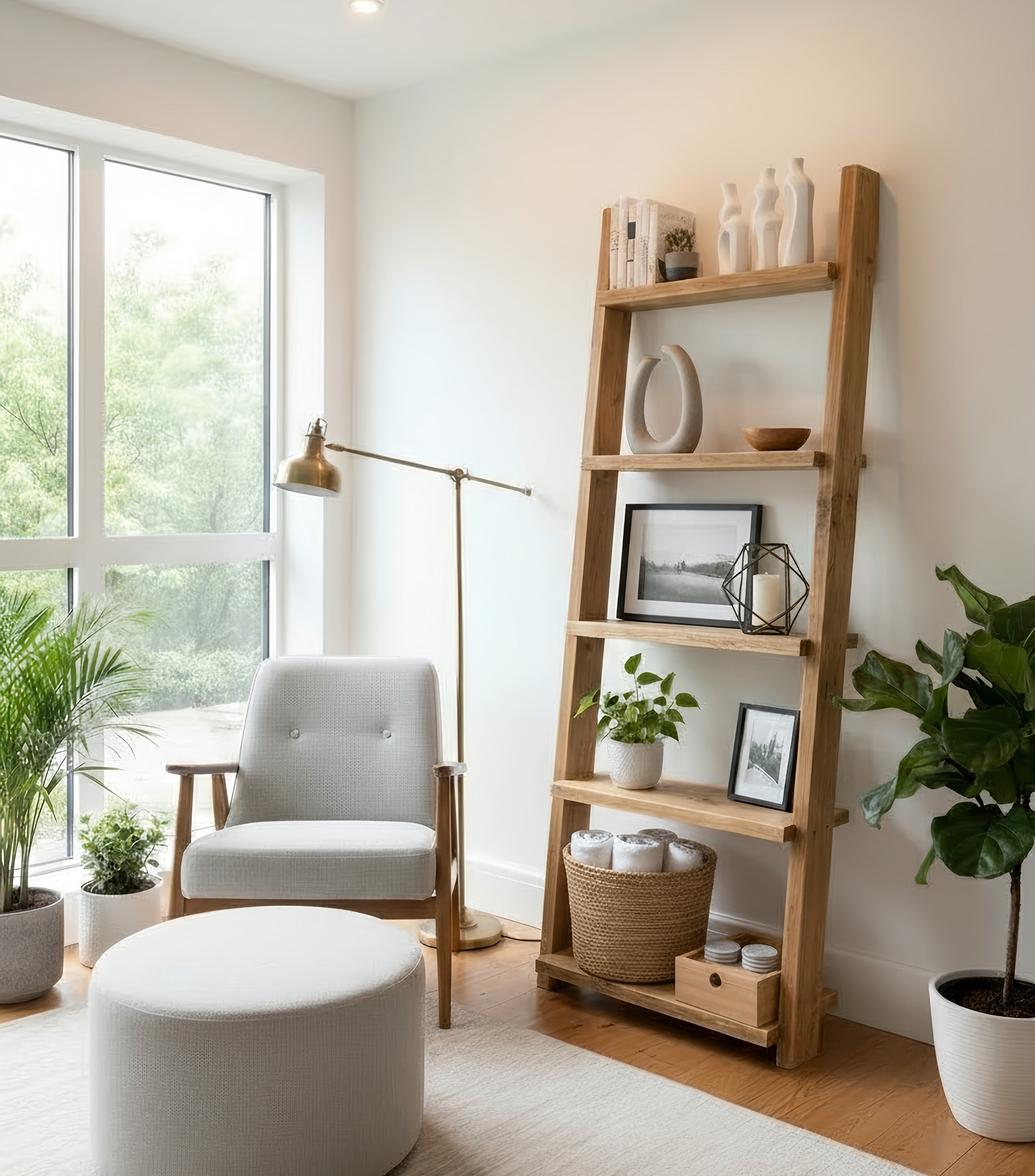
Ladder Solid Wood Bookshelf Natural Finish Open Bookcase, Rustic Scandinavian Design - Light Oak Shelves
$429.97
INSTOCK UK

LA REDOUTE UK
Arty BookcaseConsole in Oak, Veneer and Rattan Cane
$389.99
LA REDOUTE UK

ARACO INTERIORS
Laskasas D'ARC Bookcase & Shelving Smoked Oak Veneer Matte
$4,665.00
ARACO INTERIORS

OAK&MORE
Charwood Oak and Charcoal Painted Tall Bookcase
$314.30
OAK&MORE
Small Bookcases That Just Swallow the Mess
Every home has a corner that's losing the battle. The books that didn't make it onto the proper shelves, the candles waiting to be used, the bits and pieces that are genuinely useful but visually chaotic. A small bookcase is one of the most honest solutions to that problem. Not because it hides everything, but because it gives things a place to live that actually looks considered rather than abandoned.
What we've found is that size matters less than proportion. A bookcase that's too shallow looks mean. One that's too tall turns into a feature wall whether you wanted that or not. The ones we've chosen here sit in that useful middle ground. They work in a hallway, beside a bed, in an alcove that's been crying out for something. They hold books, obviously, but also the decorative things that need a home and the practical things you want within reach.
Small does not have to mean an afterthought. These are the ones that prove it.
LA REDOUTE UK
Domeno Wall-Mounted Ladder Bookcase
$95.99
LA REDOUTE UK
OAK&MORE
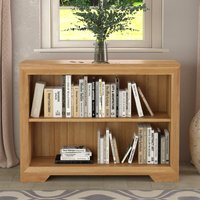
Tilt % Solid Oak Small Bookcase
$369.00
OAK&MORE
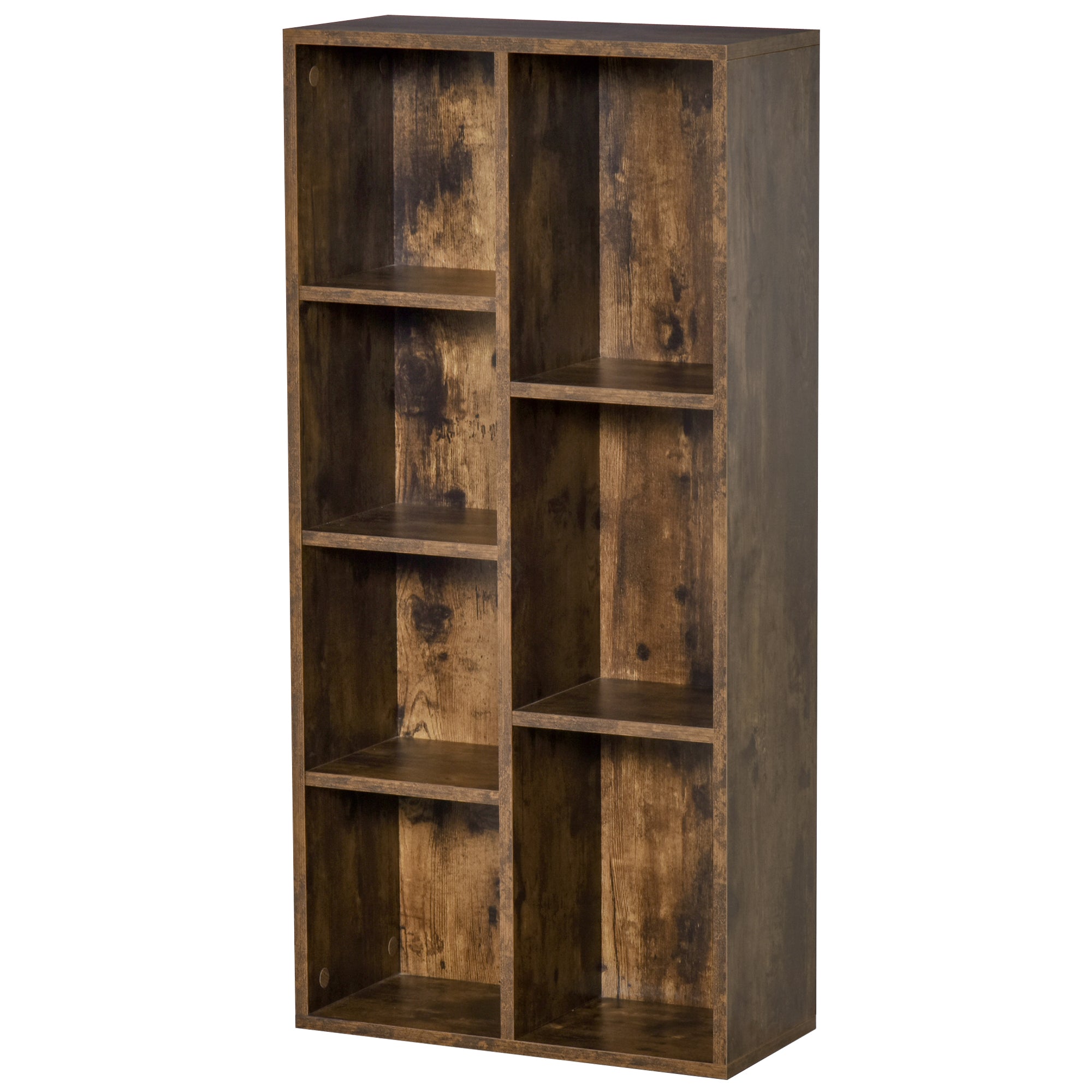
FURNITURE STORE
MCL Seven-Cube Bookcase - Rustic Brown Wood Effect
$43.99
FURNITURE STORE
OAK&MORE
Lawson Oak and Soft White Painted Small Bookcase
$349.00
OAK&MORE

DOROTHY PERKINS UK
Living And Home -Tier Open Bookcase Bamboo Bookshelf Storage Rack In Brown
$45.00
DOROTHY PERKINS UK
OAK&MORE
Charwood Oak and Charcoal Painted Small Bookcase
$230.30
OAK&MORE

INSTOCK UK
HOMCOM Tier Kids Bookcase Toy Organiser Storage w Fabric Drawers, White
$68.94
INSTOCK UK

INSTOCK UK
HOMCOM Bookcase Storage Shelf with Cushioned Reading Seat, Cube Bookshelf Organizer for Bedroom Living Room, Rustic Brown
$67.94
INSTOCK UK
You Might Also Like